


U.S. Senator Lindsey Graham, a prominent Republican from South Carolina who served as a key ally to President Donald Trump, has died at age 71 following a brief and unexpected illness. His office confirmed his death Saturday evening, July 11, in a statement released early Sunday morning.
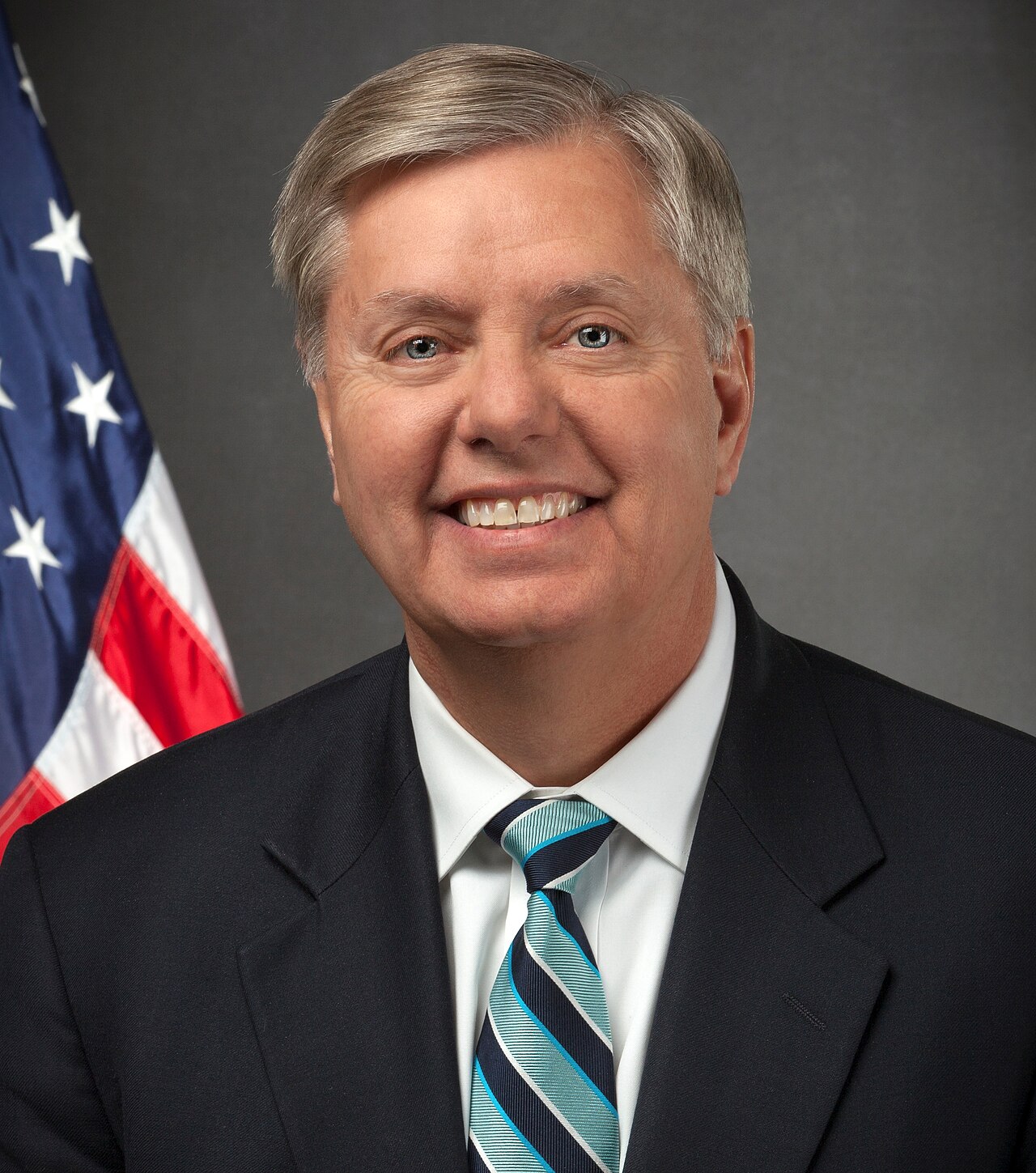
Graham had just returned from Kyiv, Ukraine, where he met with President Volodymyr Zelenskyy on Friday. He had been scheduled to appear on NBC News’ “Meet the Press” on Sunday. Emergency personnel responded to a call for cardiac arrest at Graham’s home on Saturday night, according to police scanner audio, with paramedics carrying a person on a stretcher from his residence to an ambulance. His family requested privacy during this difficult time and asked for prayers.
Born on July 9, 1955, in Central, South Carolina, Graham came from humble beginnings. His parents ran a restaurant, bar, pool hall and liquor store, and he was the first member of his family to attend college. When he was 21 years old, his mother died of Hodgkin’s lymphoma and his father died 15 months later of a heart attack. He took on the responsibility of raising his younger sister and legally adopted her while still in school.
Graham earned both a bachelor’s degree in psychology and a law degree from the University of South Carolina. After law school, he joined the U.S. Air Force as a member of the Judge Advocate General’s Corps, serving as a military prosecutor and defense attorney. He served on active duty from 1982 to 1988, with assignments in Europe where he worked as the Air Force’s chief prosecutor. He later continued serving in the Air Force Reserve while in Congress and retired in 2015 with the rank of colonel and 33 years of service, having earned a Bronze Star Medal for meritorious service.
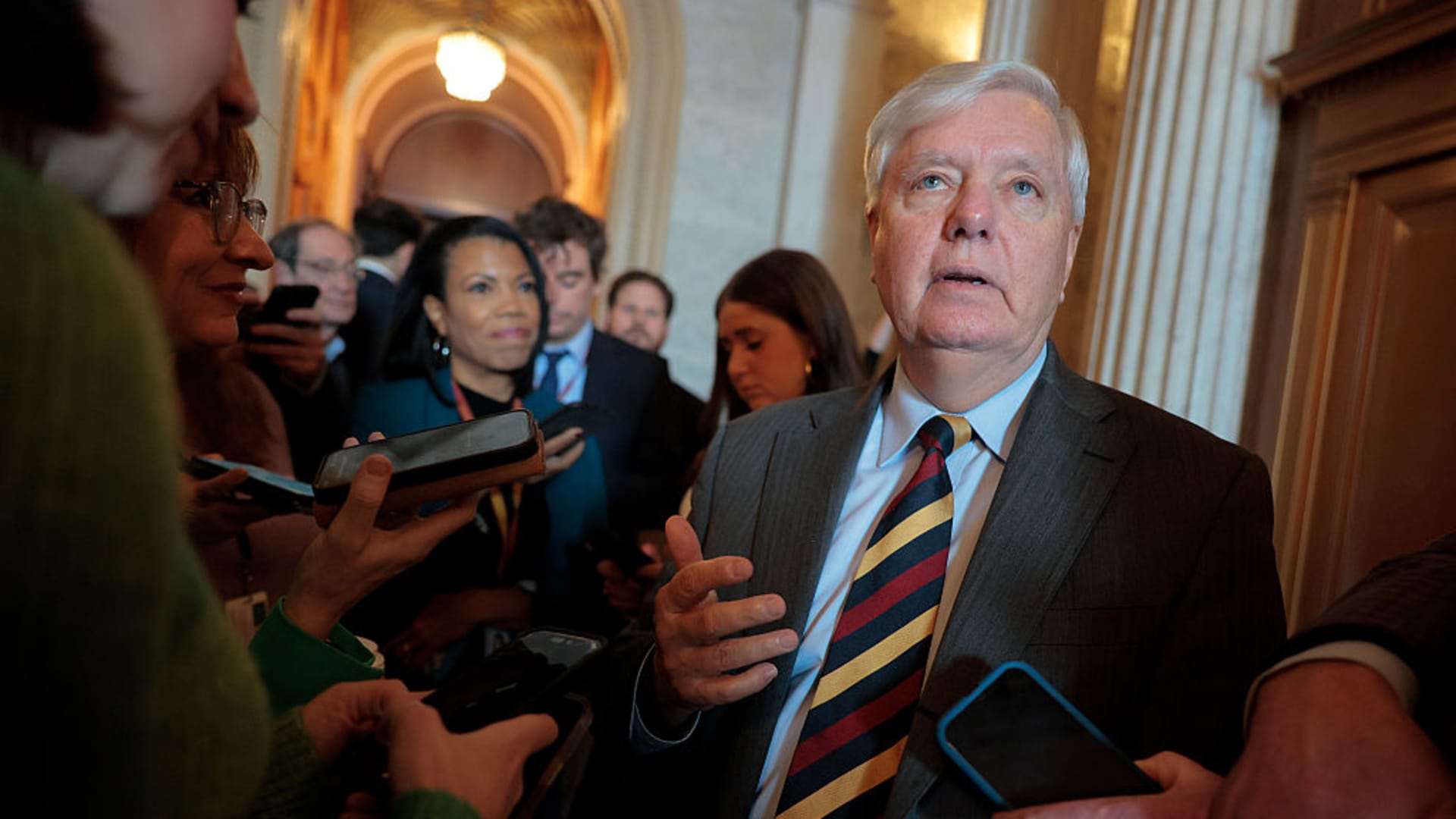
Graham entered politics in the 1990s, serving in the South Carolina House of Representatives from 1993 to 1995 before being elected to the U.S. House of Representatives, where he represented South Carolina’s 3rd congressional district from 1995 to 2003. He was the first Republican elected from that district since Reconstruction. He gained national prominence in 1998 as a prosecutor during the impeachment trial of President Bill Clinton.
In 2002, Graham was elected to the U.S. Senate, succeeding eight-term incumbent Strom Thurmond. He was reelected in 2008, 2014, and 2020, and was running for a fifth term in November. He served as chairman of the Senate Judiciary Committee from 2019 to 2021, overseeing the confirmation of conservative judges including Amy Coney Barrett and Justices Brett Kavanaugh and Neil Gorsuch. Most recently, he chaired the Senate Budget Committee.
Graham was known as a foreign policy hawk and a strong advocate for interventionist military policies, particularly regarding Iran. He maintained steadfast support for Israel and close U.S.-Israeli relations. He also championed strict positions on border security and immigration enforcement.
Graham’s relationship with Trump evolved significantly over the years. In 2015 and 2016, as both men ran for the Republican presidential nomination, Graham was an outspoken critic of Trump. He called Trump a “jackass” during the 2015 campaign and later said in 2015 that he would “rather lose without Donald Trump than try to win with him.” However, after Trump’s election in 2016 and their subsequent meeting in 2017, Graham transitioned to become one of the president’s closest allies in the Senate. He defended Trump during impeachment proceedings and worked closely with him on judicial appointments and foreign policy matters. When Trump returned to power, Graham provided near-unanimous support for the administration’s agenda and was among those Trump endorsed in the 2026 election cycle.
Despite some occasional disagreements on specific policies, Graham maintained what he described as a strong personal friendship with Trump, citing their frequent golf outings and close working relationship. Trump gave Graham his “Complete and Total Endorsement” for his 2026 reelection campaign in March 2025, with the president praising Graham as “a wonderful friend” and highlighting his work on the Senate Budget Committee and immigration policy.
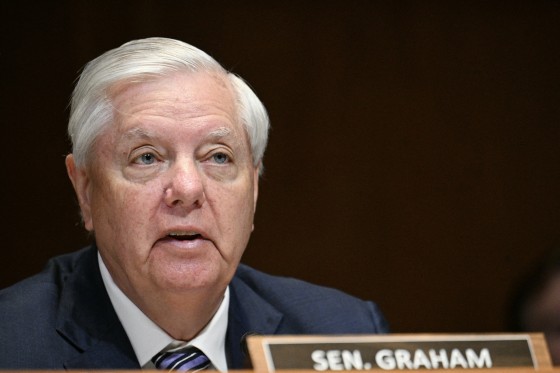
Graham’s Senate career spanned more than two decades, during which he built a reputation as someone willing to work across party lines while maintaining conservative positions on key issues. His office requested that family members be given privacy and asked for prayers during this difficult period.