

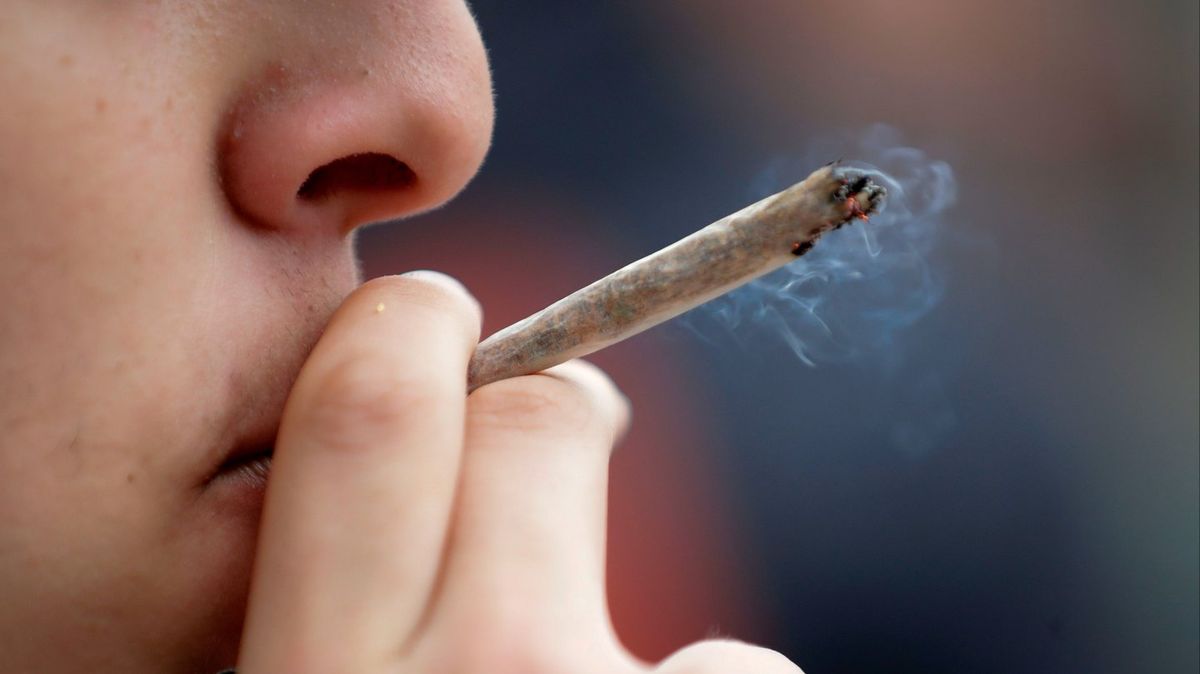
Fresh research into marijuana use has highlighted a “strong” association with anxiety and depression.
Cannabis is now legal for recreational use in 24 US states, as well as being permitted for medical treatment in many areas. But wider access doesn’t automatically mean it’s risk-free.
Alongside any perceived benefits, marijuana can come with drawbacks. These may include sleep disruption, respiratory irritation, and, as the Cleveland Clinic has noted, lower life achievements.
Even so, public support for cannabis as medicine remains high, with nine in 10 adults saying it should be available by prescription.
But would that level of support hold if more people believed it could negatively affect mental health?
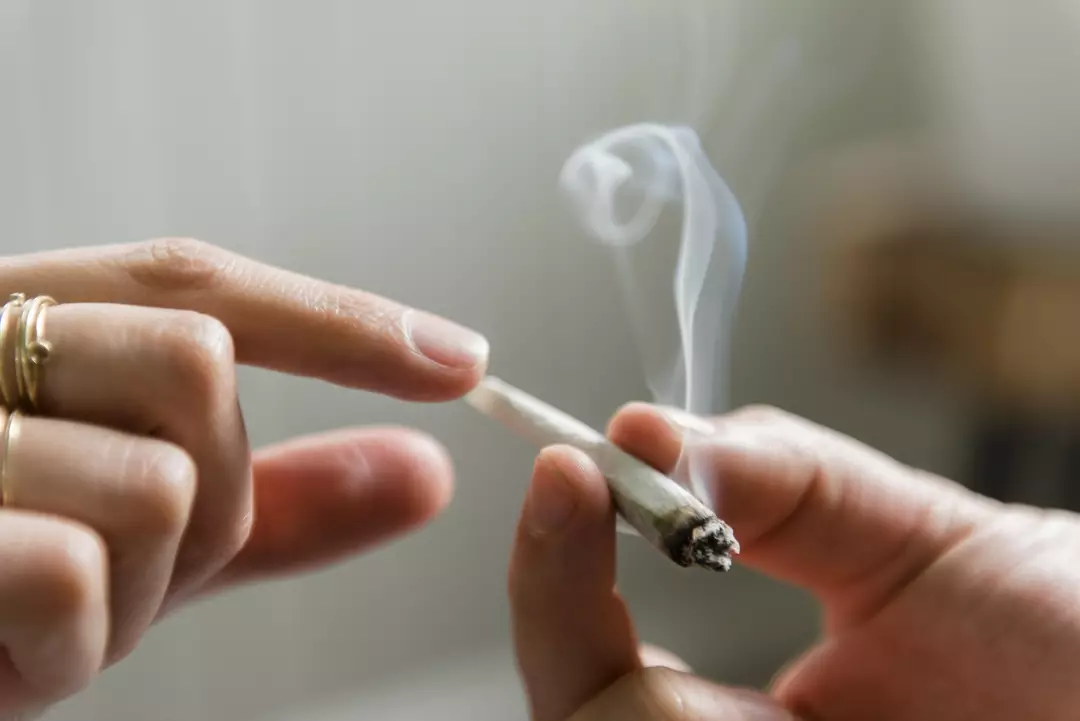
A Canadian study suggests the link between cannabis use and self-reported symptoms of anxiety and depression is becoming more pronounced.
Earlier work has also associated cannabis use with psychosis in some cases.
Now, a study from McMaster University, published in The Canadian Journal of Psychiatry, indicates there may also be ties to depressive disorders.
“We see that Canadians who use cannabis tend to be more likely to meet criteria for anxiety and depressive disorders, and more likely to report suicidality,” said Jillian Halladay, an assistant professor in the School of Nursing at McMaster. “We also see that this co-occurrence has strengthened over time.”
In a McMaster press release, the researchers explained they reviewed data from more than 35,000 Canadians aged 15 and older, covering the period from 2012 to 2022, to better understand potential mental-health impacts.
The analysis showed that reports of generalized anxiety disorder and major depressive episodes rose sharply over the decade, with the figures for both nearly doubling.

Although adult reports of suicidal thoughts did not shift significantly, the study noted a 44 per cent rise among young people. It also found that those using cannabis multiple times per week were five times more likely to report anxiety, suicidality, or depression. Halladay added: “This extends our prior study that similarly found a strengthening in the co-occurrence of cannabis use and these mental health problems between 2002 and 2012.”
“It’s important for people to recognize when and how their cannabis use may be impacting their mental health, and how their mental health may be influencing their cannabis use,” Halladay urged after explaining their findings.
The update follows other recent McMaster research indicating that anxiety and depression rates among teenagers have almost tripled over the past decade.
That research similarly reported higher levels of anxiety and depression in young people who use cannabis heavily compared with those who use it minimally.