

New York’s LinkNYC kiosks will begin displaying stories of 9/11 recovery heroes Wednesday.
The “Memory Makers 9/11” initiative, launched 25 years after the terror attacks, will project profiles of rescue and recovery workers across digital screens in all five boroughs. The memorial mapping project highlights New Yorkers whose contributions extended far beyond September 11 itself, chronicling efforts that stretched across days, weeks and months of uncertainty.
Mayor Zohran Mamdani framed the project as both remembrance and recognition of ongoing consequences. “In the days, weeks and months after the horrific terror attacks of September 11, 2001, New Yorkers came together in ways big and small to help our city recover,” he said in a statement.
“We recovered together then, and we will remember together now – by telling the stories of the everyday heroes we lost, honoring the heroes who remain and recognizing that 9/11 was a day that never ended, with consequences that continue to shape us today.”

The project memorializes workers whose routines became extraordinary. Sanitation worker Andrew Macchio, known for singing from the back of his truck during Upper East Side collections, spent his off-hours driving a water truck to hose down the dust at Ground Zero. The Lenox Hill kiosk notes that he would stop at St. Paul’s Chapel to serenade first responders as they rested.
A Brownsville road milling crew earned its place on the map by driving through the darkened Brooklyn Battery Tunnel immediately after the plane strikes. The crew spent the following three months clearing debris and repairing streets in Manhattan.
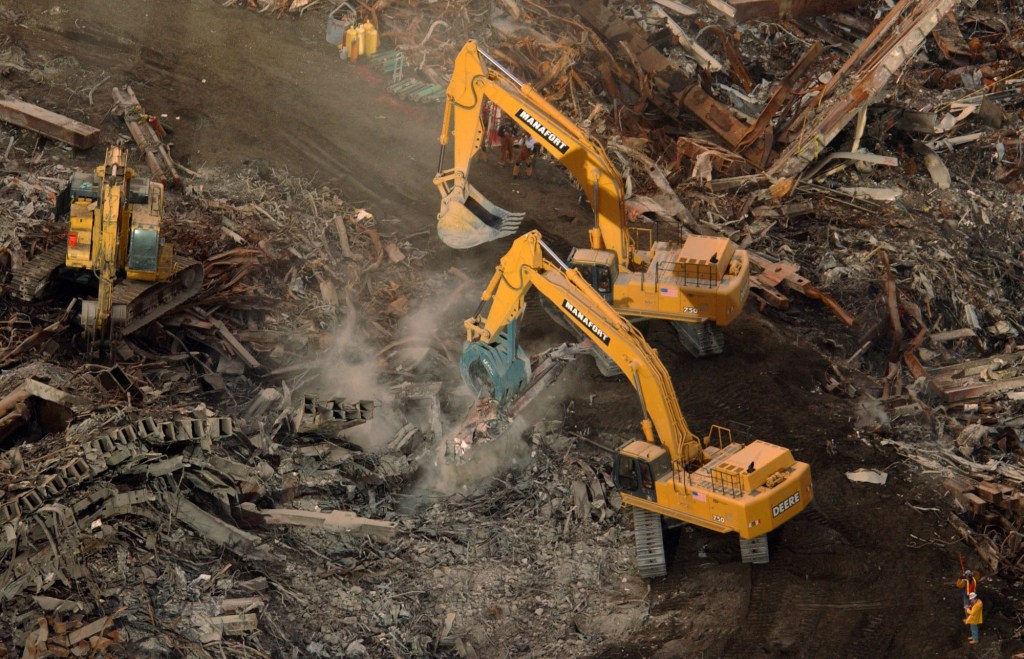
Staten Island’s Fresh Kills landfill receives recognition for hosting one of the largest forensic recovery operations in American history. City, state and federal agencies devoted 1.7 million hours to sifting through 1.5 million tons of debris trucked to the site.
The full interactive map, complete with all stories and hero profiles, is accessible at on.nyc.gov/25years.

The kiosks themselves have become fixtures of New York streetscapes since their introduction, replacing pay phones with free Wi-Fi, device charging and now, for this anniversary period, digital memorials to the workers who rebuilt the city.

The initiative runs as the city marks a quarter-century since the attacks that killed nearly 3,000 people and launched recovery operations involving countless unsung workers across multiple agencies and trades.