

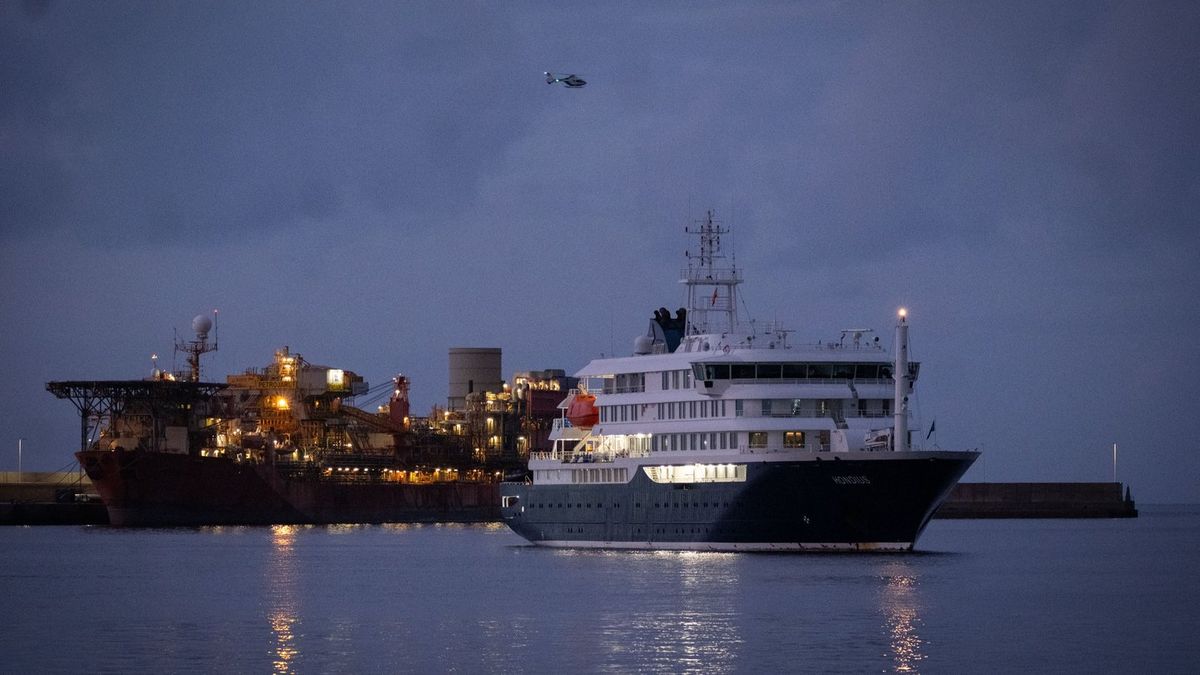
Passengers who disembarked in multiple countries are said to be under observation for hantavirus following an outbreak on the MV Hondius that has reportedly resulted in three deaths.
Human infections of hantavirus are considered very uncommon, yet several confirmed cases have recently been linked to a cruise vessel carrying up to 150 passengers.
The ship departed Argentina on April 1, later calling at the Sandwich Islands, Tristan da Cunha, St Helena, Ascension Island and Cape Verde during its itinerary.
Although the MV Hondius reached Cape Verde, it did not dock in Praia as scheduled due to the reported outbreak. Instead, passengers were evacuated today (May 10) to Tenerife, part of Spain’s Canary Islands.
The evacuation follows reports identifying the first fatality as Leo Schilperoord. His wife, Mirjam Schilperoord—who had been travelling with him around South America—has also reportedly died after contracting the virus.

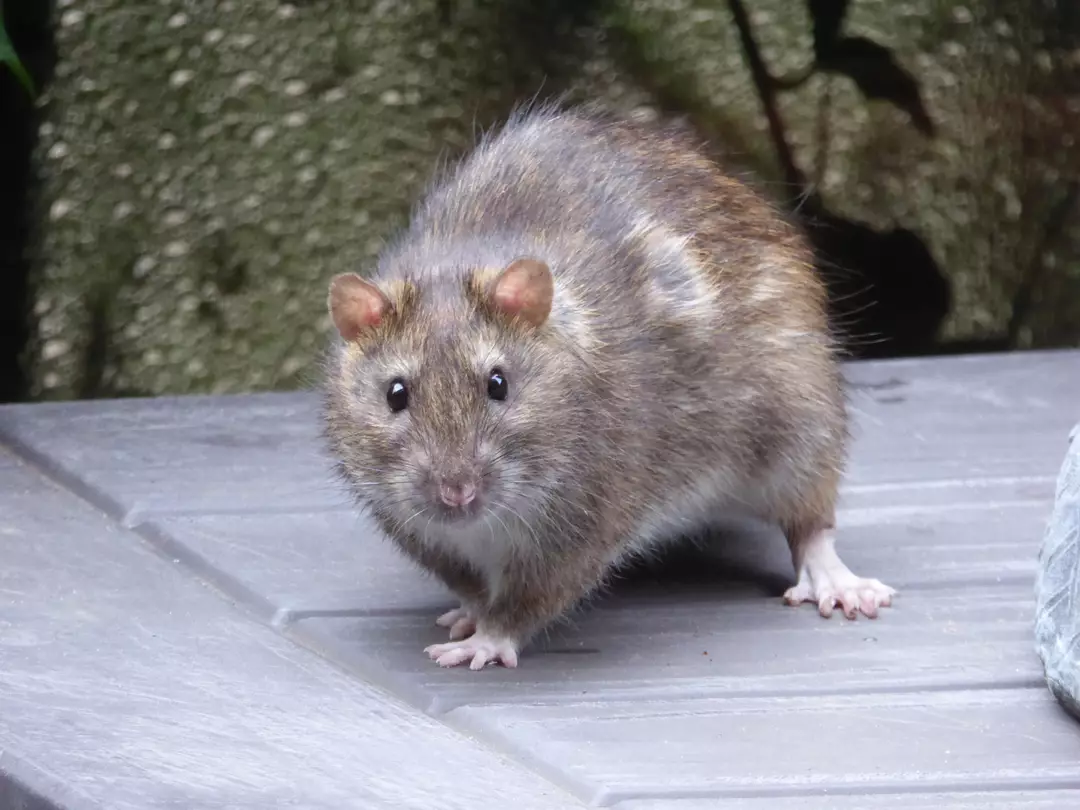
Officials believe the Dutch couple may have been exposed to the Andes strain of hantavirus after visiting a landfill described as rat-infested, located around four miles outside Ushuaia.
The site is also said to attract bird-watchers, with reports suggesting rare Patagonian species are often spotted there.
Argentina is reportedly examining the incident, which is believed to have originated within the country.
As reports said, a number of nations could now have potential connections to the cases, including: Argentina, Cape Verde, Netherlands, UK, US, Denmark, Germany, Philippines, Singapore, South Africa, Spain, Switzerland and France.
Given the number of destinations and passengers involved, Dr. Alexandra Wharton-Smith, a global health researcher and infectious disease specialist, said it’s possible further cases may be reported beyond the initial location.
In an interview, she said: “I believe we will see a small increase in cases in the coming weeks and anyone who has been exposed will need to be monitored from the date of their exposure to a case up until the end of the incubation period, so it is possible there may be cases popping up in the coming months.
“But we are still learning about this type of hantavirus, past outbreaks have been relatively small, we will know more by tracing these cases and their contacts in these next weeks.”
Dr. Wharton-Smith also offered guidance for people who may be anxious about the virus, encouraging caution without panic.
Dr. Wharton-Smith said: ‘My advice for now is not to worry, stay up to date with the news from reliable sources and carry on as normal.”