

Although the fighting between Iran and the US is centred in the Middle East, the ripple effects are being felt worldwide.
The conflict escalated last month after a joint US-Israeli operation inside Iran, during which Iran’s Supreme Leader Ali Khamenei was killed.
Iran responded with retaliatory strikes, including attacks targeting US military bases in places such as Dubai, Kuwait and Qatar.
Since then, the disruption has spilled into everyday life well beyond the region—triggering flight and travel upheaval and fuelling instability in energy markets, particularly oil and gas.
One recent analysis has highlighted a group of countries that could face severe shortages if the war continues and shipping through a critical route remains restricted.
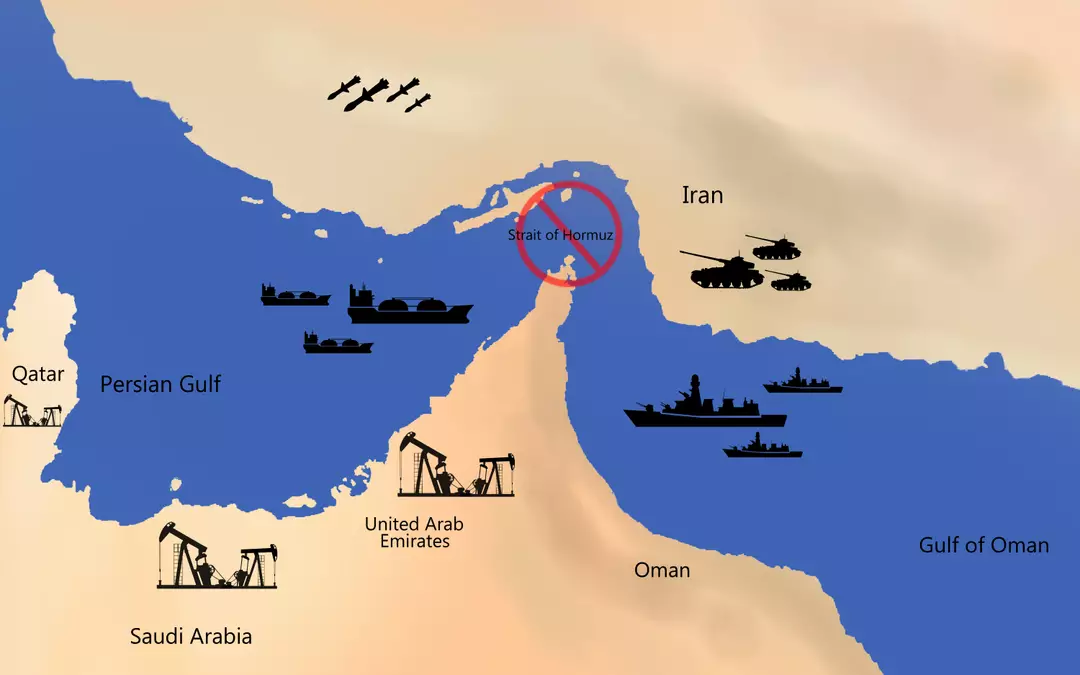
Before the conflict, about 40 oil tankers carrying roughly 20 million barrels of crude moved through the Strait of Hormuz each day.
Now, only a limited number of vessels are being allowed through, tightening global supply and increasing pressure on nations heavily dependent on that corridor.
A number of countries rely on oil shipments that transit Hormuz, including several destinations frequently visited by American travellers.
SocGen’s commodities team reports that Myanmar gets more than 80 percent of its oil from cargo passing through the strait.
Compounding the risk, Myanmar is thought to have only around one month of oil supply in reserve—meaning any prolonged disruption could rapidly become a domestic crisis.
Vietnam is also described as highly exposed, sourcing over 80 percent of its total oil from Hormuz-linked shipping.
As with Myanmar, estimates suggest Vietnam could face a serious shortfall in about a month if flows do not return to normal.

The Philippines is another country flagged as vulnerable, with more than three quarters of its overall oil supply tied to cargo that typically moves through Hormuz.
Singapore, according to Forbes, is said to have roughly 40 days of reserves remaining, which could force the city-state to secure alternative—potentially more expensive—sources if the situation drags on.
Thailand may have somewhat more breathing room than Singapore, but Forbes reports it still has only about 50 days of inventory. The country commonly receives around 400,000 barrels per day via Hormuz.
Those five countries are not the only ones that could be affected amid continued disruption to the route, with Forbes indicating the wider list is broader than the examples above.
Meanwhile, Qatar has reported direct damage after Iranian strikes. Officials said Wednesday (March 18) that missiles hit Ras Laffan Industrial City and caused “significant damage” at the country’s main gas facility.
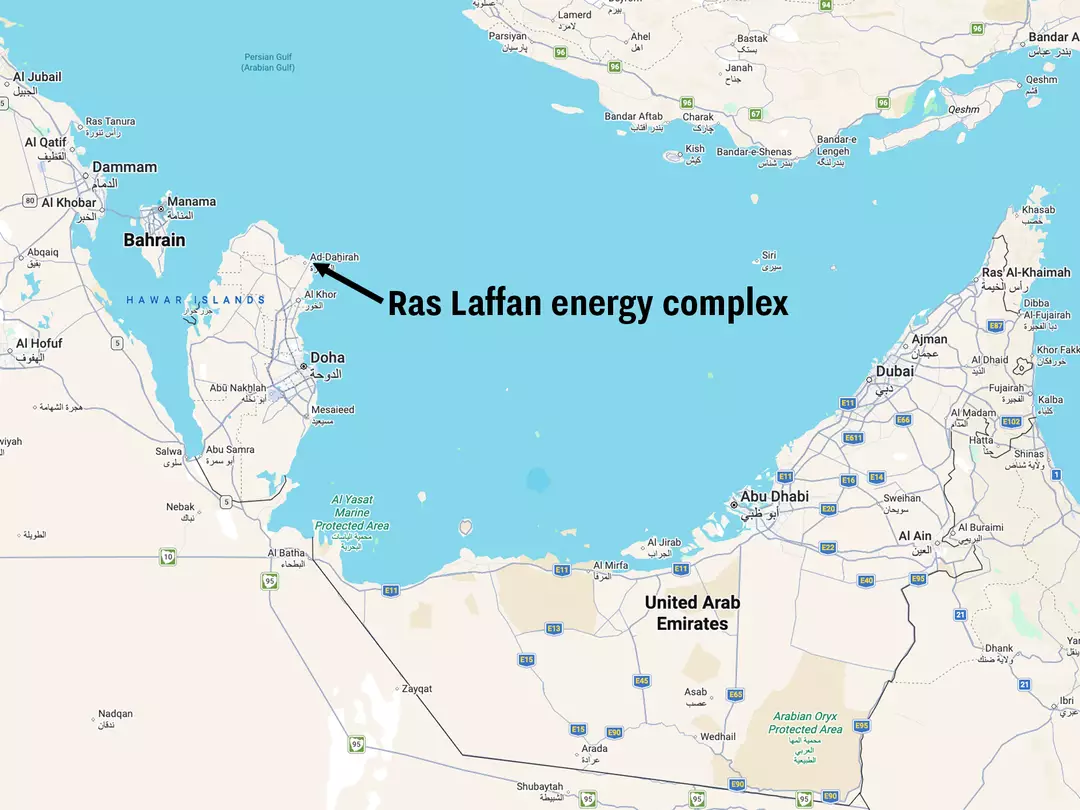
Qatar’s Ministry of Foreign Affairs said in a statement: “The State of Qatar expresses its strong condemnation and denunciation of the blatant Iranian attack targeting Ras Laffan Industrial City, which caused fires resulting in significant damage to the facility.”
Damage to major energy infrastructure is widely expected to add further upward pressure to prices worldwide.
With the conflict ongoing, President Donald Trump has introduced measures aimed at easing the impact of rising crude prices on Americans.
After Iran blocked the Strait of Hormuz—one of the world’s busiest channels for shipping crude oil, natural gas and other key petroleum-related materials—energy markets have been thrown into turmoil.
Strikes on energy facilities across the region have pushed US crude higher, with West Texas Intermediate (WTI) trading at roughly $95–$98 per barrel. Trading Economics says prices are up about 50 percent since the war began.
Higher fuel costs have been feeding into broader price rises, affecting gasoline as well as everyday items such as groceries, prompting questions about what the White House can do to blunt the increases.
The Jones Act requires that goods moved between US ports be moved on US-flagged vessels, therefore prohibiting foreign vessels from transporting oil and gas between these ports.
This week, the Trump administration approved a 60-day waiver of the Jones Act in an attempt to increase the number of tankers able to deliver oil and gas to US ports.
Trump also said he would release 172 million barrels from US crude reserves as part of a coordinated action with roughly 30 member nations of the International Energy Agency (IEA), which agreed to release 400 million barrels in total.
Yahoo! Finance reports the release would take around 120 days and would reduce the US stockpile by more than 40 percent, leaving reserve levels at their lowest since the early 1980s.
Without specifying which ones, Trump announced during an event in Florida earlier this month: “We’re waiving certain oil-related sanctions to reduce prices.”
US Treasury Secretary Scott Bessent said this ‘short-term measure’ was aimed at promoting ‘stability in global energy markets’, the BBC reports.