

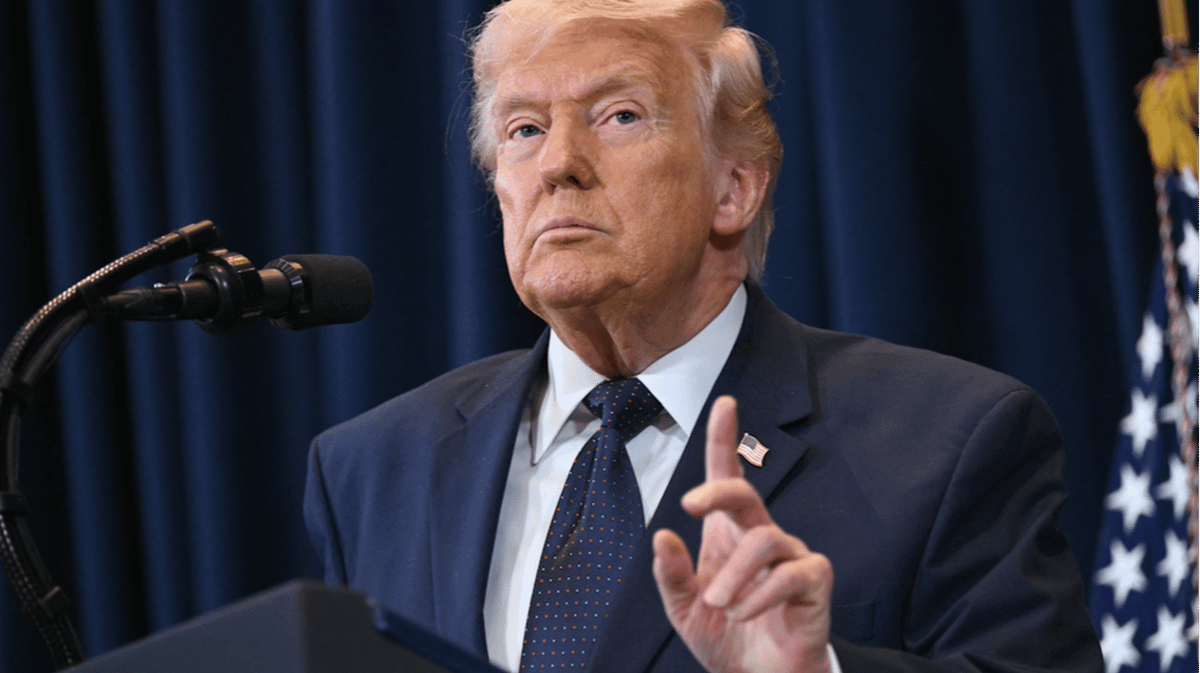
Donald Trump’s return to the White House for a second term was paired with a message that the US would step back from overseas conflicts, but American forces have since carried out military operations in several parts of the world.
On the campaign trail, Trump promised to bring wars to a close, saying, “I’m not going to start wars, I’m going to stop wars.” His team presented the strategy as one aimed at stability and peace.
However, by 2026 the US had become involved in major action in the Middle East—most notably a broad confrontation with Iran—along with interventions and security missions in Latin America and other regions.
The number of countries touched by strikes, deployments, or direct intervention has continued to rise, prompting renewed debate over where US foreign policy is heading and fuelling concerns among some analysts about the risk of wider escalation.
With that list growing, here are the locations where Trump has approved military action.
Iran
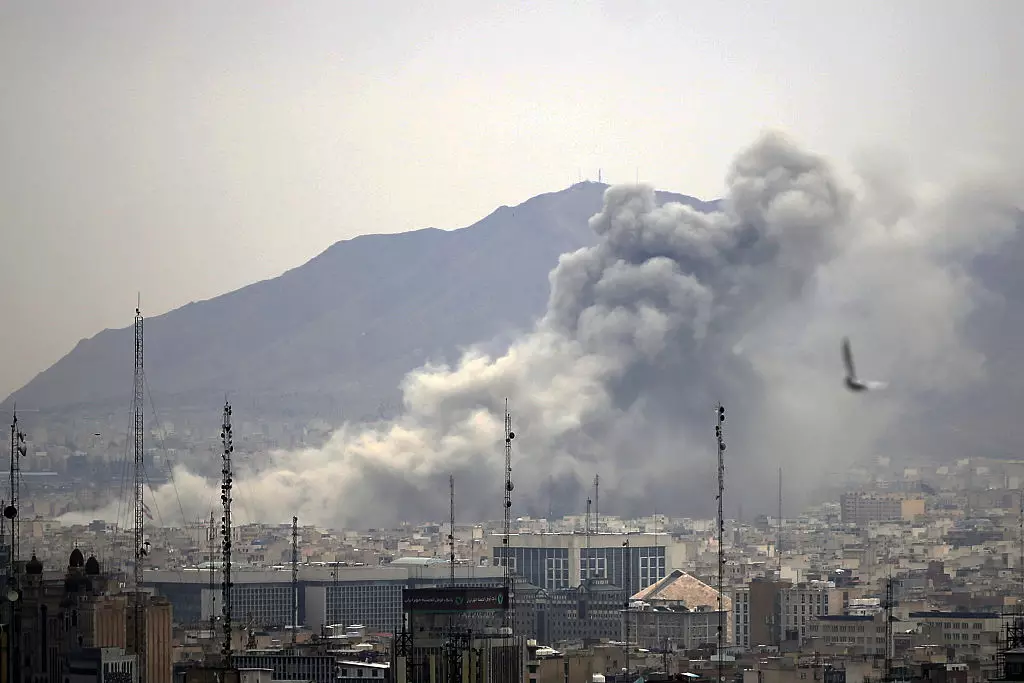
Tensions with Iran have intensified around Tehran’s nuclear programme. After US strikes on Iranian nuclear facilities in 2025, the conflict expanded sharply in February 2026 when the US joined Israel in a large-scale air campaign aimed at military and strategic targets across Iran.
Hundreds of sites were reportedly hit as part of an effort to weaken Iran’s military capacity. Among those killed were senior Iranian leaders, including Supreme Leader Ali Khamenei,
Reuters reports that around 65% of Americans believe Trump will order troops to participate in a major ground deployment to Iran.
Ecuador
Reports published this month by Al Jazeera and USA Today said the Trump administration signed off on security cooperation with Ecuador aimed at groups described as ‘terrorists’.
The stated focus is not the Ecuadorian government, and the White House has said it is coordinating with Ecuadorian authorities to confront ‘terrorists’, with joint operations already underway.
Even so, USA Today notes that major specifics have not been clarified, including who is being targeted, where actions are happening, and what the limits of the mission will be.
Syria
In January 2026, the administration launched extensive airstrikes against Islamic State positions in Syria after an attack involving US-linked forces. According to BBC News, the Pentagon said the goal was to disrupt ISIS activity and safeguard American personnel and partner forces.
Questions remain about what led to the initial incident. The New York Times reported that some accounts suggested the attacker may not have been acting directly on behalf of ISIS, and the group did not officially claim responsibility.
Despite the increased use of force, Syrian officials have indicated they are still willing to cooperate with the US and allied partners against ISIS, according to the Council on Foreign Relations.
Caribbean and eastern Pacific
Beginning in late 2025, the Trump administration authorised a wave of strikes targeting vessels suspected of drug trafficking in the Caribbean and the eastern Pacific. NBC News reports more than 40 operations and more than 100 deaths linked to the campaign.
Democratic lawmakers have criticised the approach, while the White House argues the strikes are necessary to stop illegal drugs from entering the United States.
Venezuela
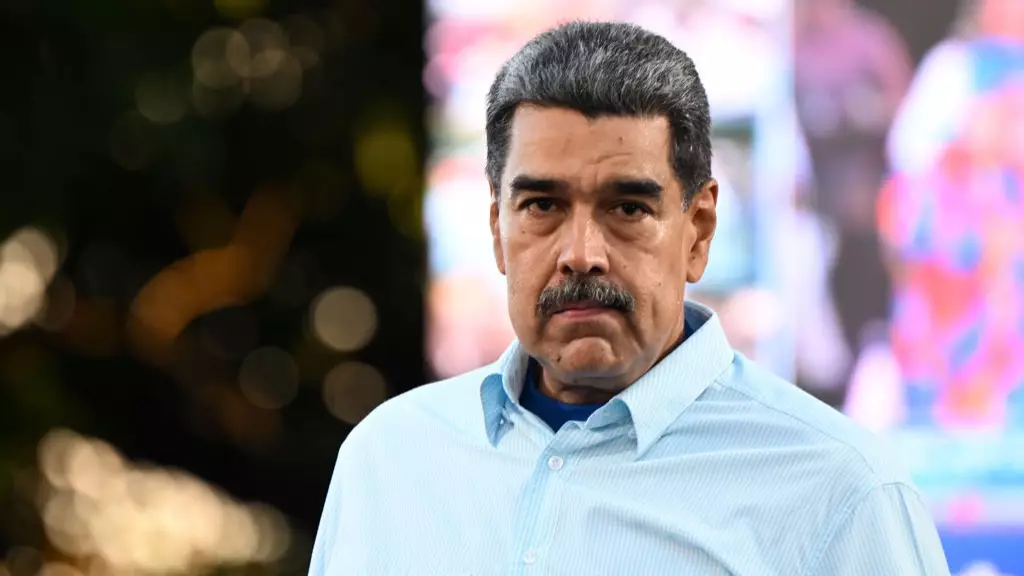
The administration has also moved directly against Venezuela’s government under President Nicolás Maduro. In January 2026, US forces carried out an incursion into Caracas that ended with Maduro captured, throwing the country into a period of heightened political uncertainty.
He was taken to the United States to face charges. Trump “has never formally declared war on Venezuela, despite overseeing an aggressive military campaign on the South American country,” Time reports.
Yemen
Between March and May 2025, the US ran an extended naval and air campaign against the Houthis in Yemen. Strikes hit military assets such as radar installations, air defences, and missile and drone launch areas, following attacks on commercial shipping in the Red Sea.
Human rights organisations have warned about the civilian impact of the bombing.
American officials have defended the action as lawful under the president’s authority to protect US forces and national interests, saying Congress was notified in line with constitutional and statutory requirements.
Somalia
Since early 2025, the Trump administration has expanded air operations in Somalia against both Islamic State and al-Shabaab.
NewsNation reports that more than 100 strikes have been carried out, with most conducted by drone.
Somali President Hassan Sheikh Mohamud has said the campaign is part of ongoing security cooperation with the US to counter extremist threats.
US officials say the strikes have killed multiple militant operatives.
Iraq
In March 2025, the US conducted a targeted airstrike in Iraq that killed a senior Islamic State figure. United States Central Command identified him as Abdallah Makki Muslih al-Rifai.
After the confrontation with Iran intensified in 2026, NBC News reported that US officials discussed with Kurdish groups in northern Iraq the possibility of backing forces opposed to Tehran, though no public policy decision has been confirmed.
Cuba
In March 2026, President Donald Trump issued sharp comments about Cuba, saying the island ‘may fall pretty soon’ and that the United States could ‘take’ the country as it faces a deepening economic and energy crisis.
Cuban President Miguel Díaz-Canel responded publicly, rejecting the remarks and pledging to resist interference.
Although no formal US military action has been taken in Cuba, the comments stand out as a more direct warning than the administration’s anti-drug actions elsewhere in the Caribbean.