

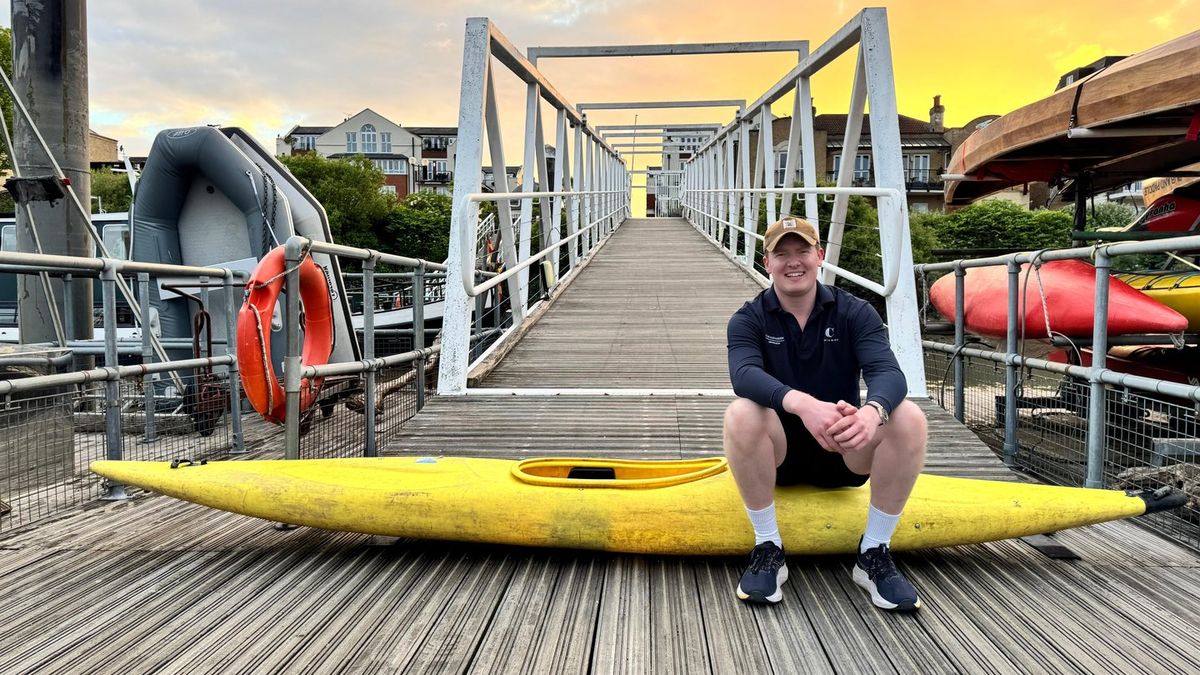
A British adventurer is trying to set a new Guinness World Record by completing seven of the world’s most dangerous ocean crossings in a kayak.
After tackling marathons across punishing landscapes and swimming vast distances in each of the seven seas, 26-year-old Louis Alexander has set his sights on another extreme feat. This time, his mission also carries a personal purpose: raising awareness of dementia after losing his grandfather, Captain Rick Taylor, to the illness.
The planned challenge is huge in scale. Louis intends to pass through 12 countries and cover around 300 miles of fully exposed water — a route where small mistakes can quickly become major problems.
To stack the odds in his favour, he’s in the middle of an intensive training block to get as ready as possible. Even so, he admits there are realities he can’t fully simulate before he sets off.
His sequence of crossings begins with the English Channel. From there, he’ll move on to the North Channel between Ireland and Scotland, then the Strait of Gibraltar, followed by New Zealand’s Cook Strait.
Next comes the Singapore Strait, taking him from Singapore to Indonesia, then Hawaii’s Molokai Channel, before finishing with the Beagle Channel — the stretch of water separating Chile and Argentina.
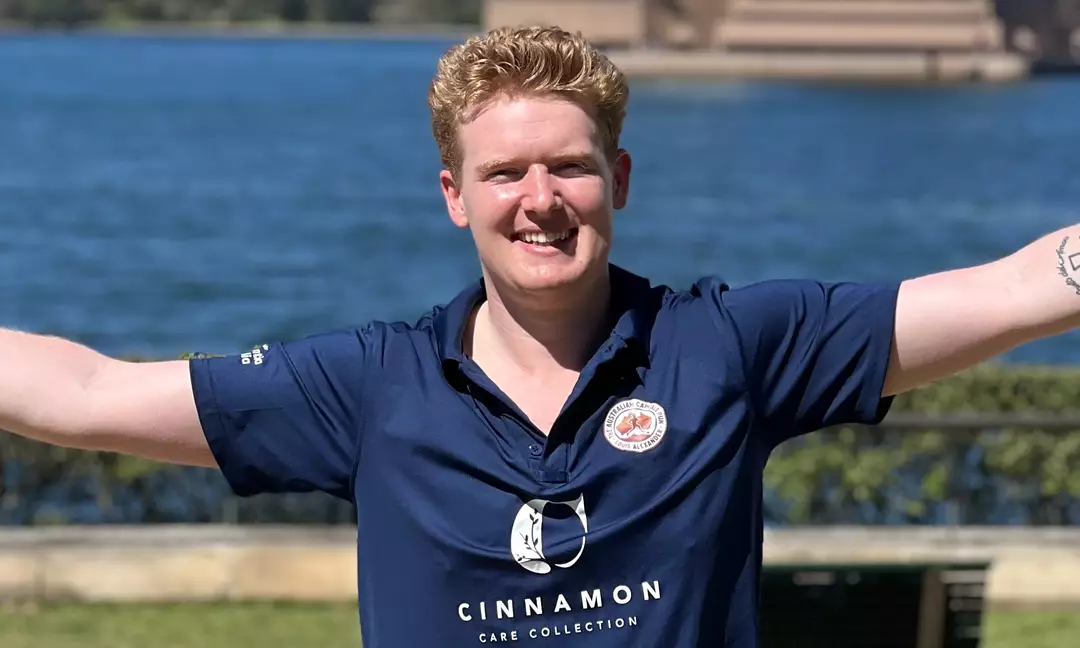
Louis has been carrying out his preparations in the UK, but says the biggest unknown is what he’ll face when he reaches distant waters with entirely different patterns, hazards and weather systems.
“You can’t prepare for certain conditions in the UK. So it’s basically a case of doing the best I can with what I have available. So I’m in the gym a few times a week doing some strength conditioning work, very important for shoulder mobility, for core. I’m in the kayak, whether it’s on the Thames, or I’m doing lots of training in the pool as well.”
He explained that he’ll shift more of his practice to the British coastline before the expedition begins in July — while acknowledging that even that only goes so far.
“You can’t mimic these exact conditions and it goes back to the runs and the swims I’ve done previously,”
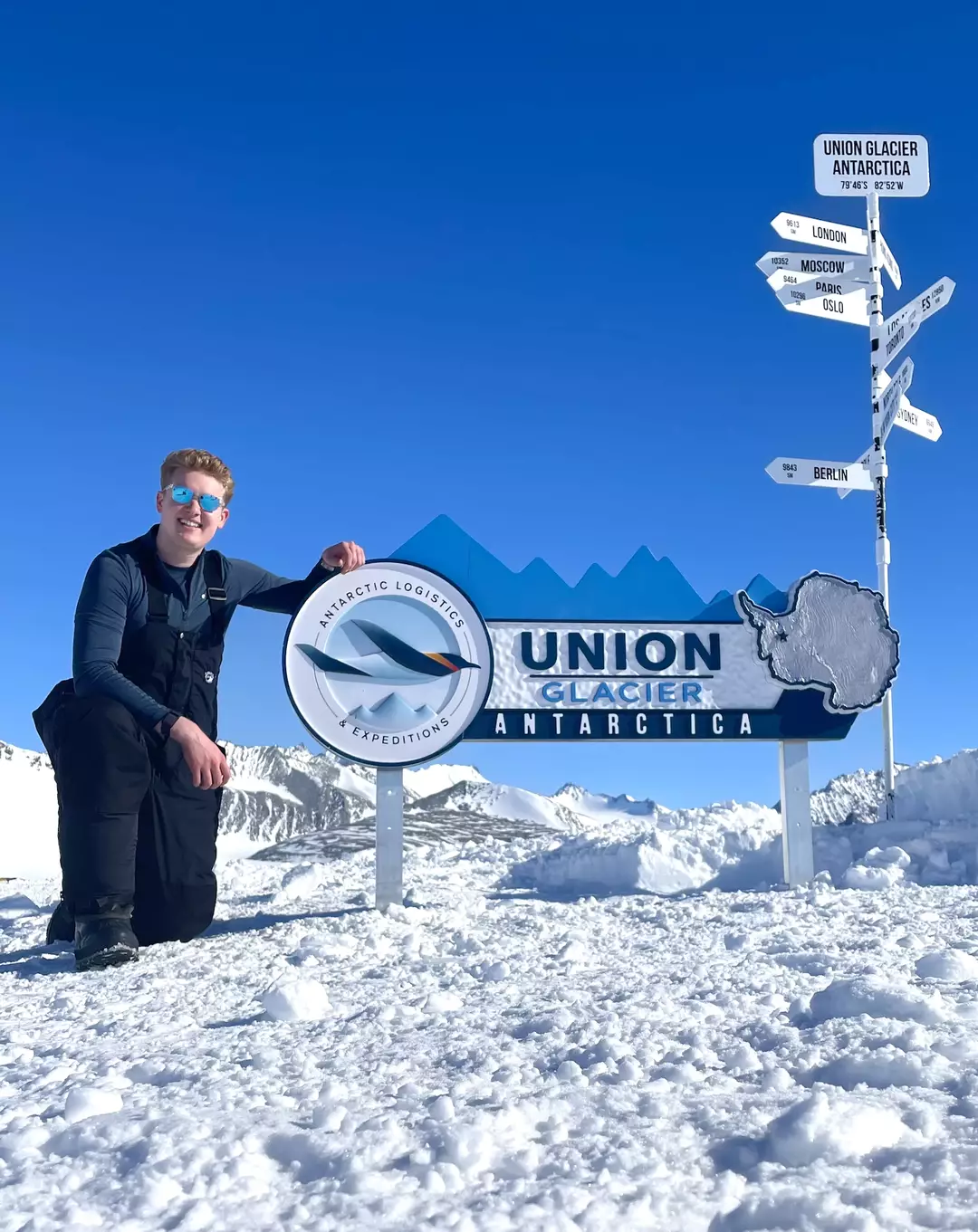
“When I first ran in Antarctica you can’t prepare for that so it’s part of these projects, part of the adventure is stepping into the unknown.
“You just have to control everything you can in the build-up and do as much as you can, but at some point you’re going to find out the hard way.”
Even at its most forgiving time of year, the English Channel brings serious risks. Summer conditions can be calmer, but the route is one of the busiest shipping lanes on Earth and is known for fast-changing tides.
The North Channel carries similar threats, with both Irish and Scottish coasts notorious for sudden shifts in weather — including during the warmer months when Louis plans to attempt the crossing.
For a kayaker, the Strait of Gibraltar can be especially challenging because of dense maritime traffic and the possibility of gale-force winds. Meanwhile, Cook Strait is widely regarded as one of the most unpredictable passages, in part due to powerful, volatile currents.
The Singapore Strait presents a different kind of concern, with reports of robberies targeting vessels in the area.
In the Molokai Channel, Louis will also need to stay alert to marine life, including sharks and jellyfish. And at the far end of the journey, the Beagle Channel is punishingly cold — with temperatures hovering near freezing even during summer.
Throughout the attempt, Louis will not be alone on the water. A support boat will accompany him to help manage the danger from larger vessels and to provide immediate assistance if anything goes wrong.
The Londoner said he may face waves reaching up to 12 feet along the way, but the effort is designed to raise funds for Race Against Dementia — the global charity founded by Formula 1 icon Sir Jackie Stewart.
If you’d like to donate to Louis’ cause, you can do so here.