


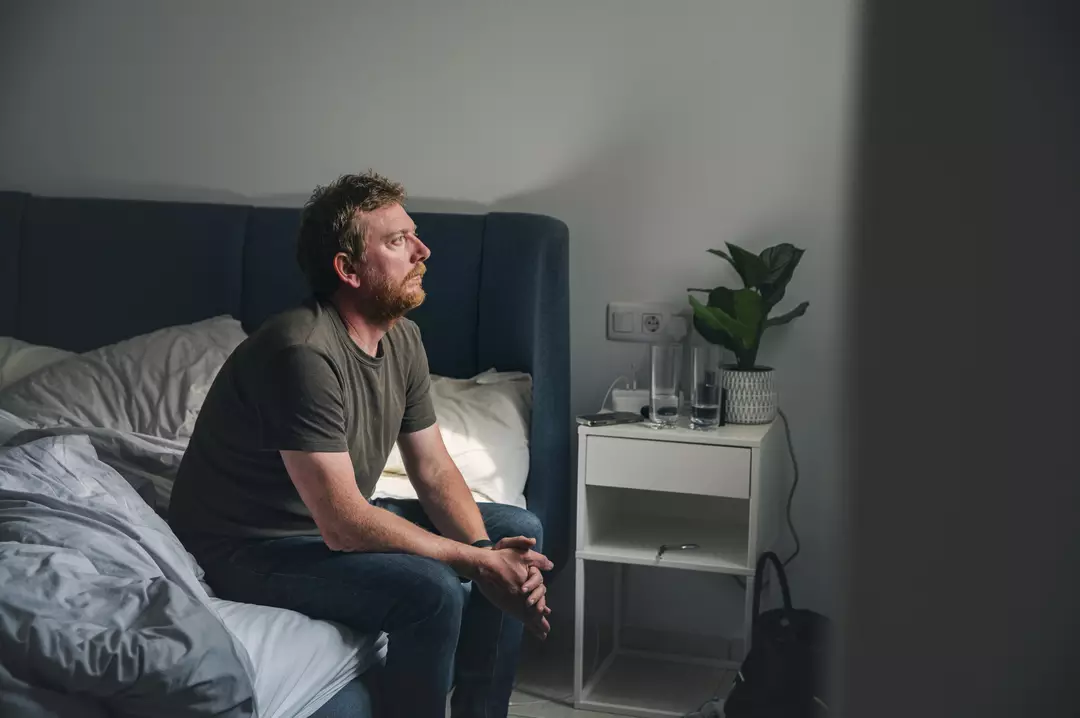
A man has shared how he learned he had a serious heart problem after being flagged by his smart bed.
As detailed in a recent report published in the New England Journal of Medicine, the man’s bed — equipped with a ballistocardiogram — detected an irregularity in his heartbeat while he slept.
The data suggested his heart rate had dropped unusually low overnight.
For context, a typical adult resting heart rate is generally considered to fall between 60 and 100 beats per minute. Readings outside that range can sometimes point to an underlying medical concern.
After reviewing the information provided by the bed, the man compared it with figures recorded by his smartwatch — and was startled to see the same pattern reflected there as well.
He had also noticed he felt short of breath, prompting him to call his doctor, who advised him to go straight to the emergency room.
At the hospital, doctors measured his heart rate at about 40 beats per minute, slightly lower than the 42 beats per minute recorded during the night.
The findings pointed to severe bradycardia — a condition where the heart beats too slowly to circulate enough blood effectively.
Bradycardia can leave someone feeling dizzy, weak, or extremely tired, and shortness of breath is also common.
In some cases, though, people may have bradycardia without any noticeable symptoms.
The man, who already had coronary artery disease and hypertension, underwent an electrocardiogram (ECG). The test revealed a complete heart block and an abnormal rhythm.
Cleveland Clinic explain: “Heart block is an issue with a heartbeat signal traveling from the top chambers of your heart to the bottom chambers of your heart.
“Normally, electrical signals (impulses) travel from your heart’s upper chambers (atria) to your lower chambers (ventricles). The signal moves through your AV node, a cluster of cells that link the electrical activity from your top to bottom chambers.
“If you have heart block, the signal only makes it to your ventricles some of the time, if at all.”
Doctors treated the issue by inserting a pacemaker, which helped ease his symptoms.

Cardiologist James Ip, from Weill Cornell Medical College and New York Presbyterian Hospital, noted that more people are becoming aware of how smart devices can sometimes provide early warning signs of health problems.
He told Gizmodo: “Increasing awareness of these tools can help patients and clinicians manage cardiac arrhythmias based on wearable-directed medical care.”