

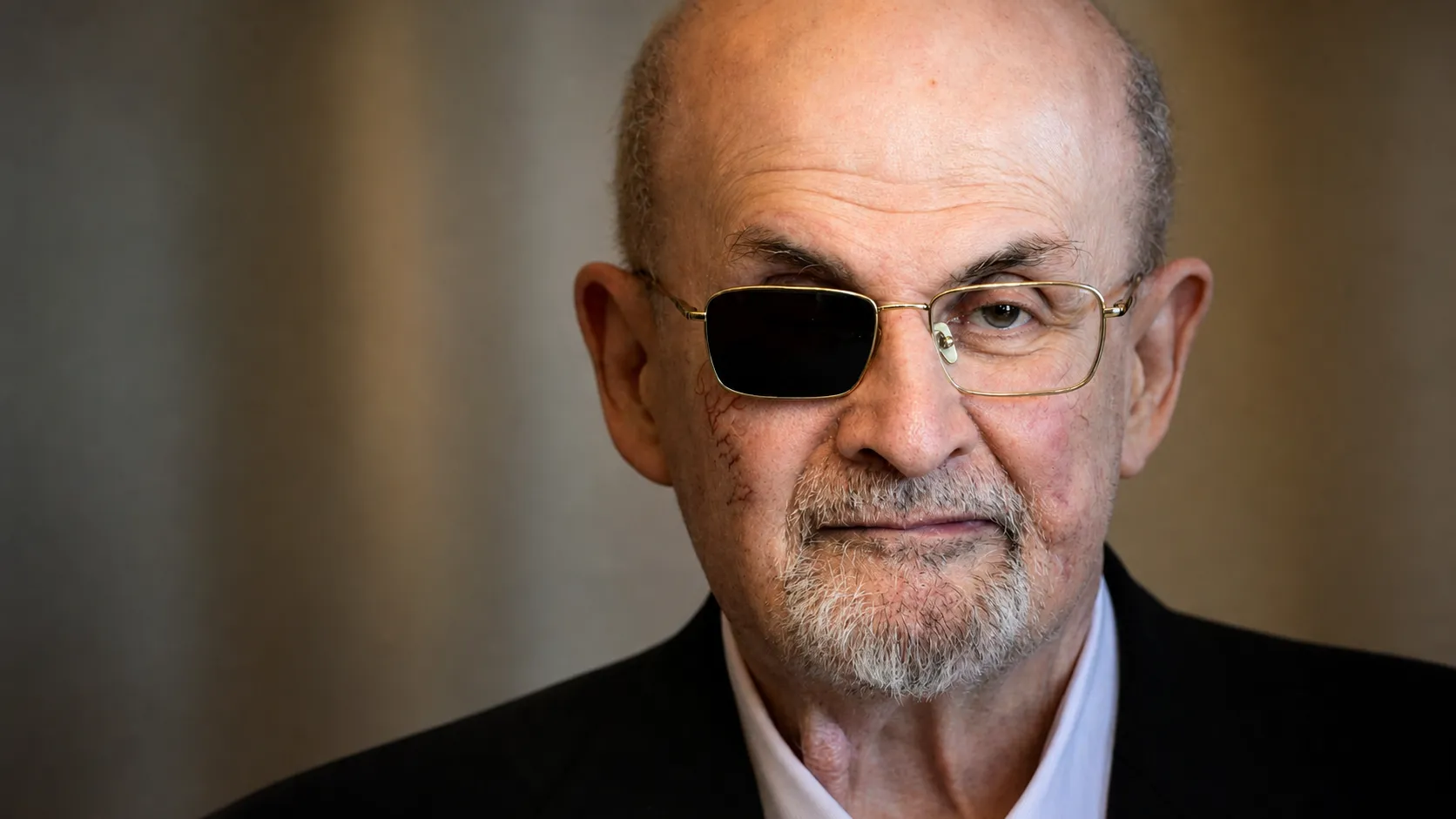
A federal terrorism trial is opening Wednesday for the man convicted of stabbing renowned author Salman Rushdie, shifting focus from the details of the violent attack itself to the alleged ideological motivations behind it.
Hadi Matar, 27, was already convicted in February of attempted murder and assault in connection with the August 2022 stabbing at the Chautauqua Institution in western New York. Opening statements in his federal case will begin in U.S. District Court in Buffalo, approximately 70 miles from where he attacked Rushdie as the author was about to discuss writer safety.
The Booker Prize-winning Rushdie, now 79 and blind in one eye from the attack, is expected to be among the first witnesses in the federal trial. He will again describe the stabbing that nearly killed him and required extensive hospitalization and rehabilitation.
Prosecutors allege that Matar was acting out of loyalty to Iran’s theocratic government and the Iran-backed militant group Hezbollah when he carried out the attack. The federal charges include attempting to provide material support to Hezbollah, a U.S.-designated terrorist organization, and engaging in an act of terrorism transcending national boundaries. If convicted on the federal charges, Matar faces a potential life sentence.
The attack stems from a fatwa, or Islamic religious edict, issued in 1989 by Iran’s then-Supreme Leader Ayatollah Ruhollah Khomeini calling for Rushdie’s death following publication of his 1988 novel “The Satanic Verses,” which some Muslims considered blasphemous. Rushdie spent years in hiding as a result.
According to prosecutors, Matar was motivated in part by a 2006 speech by Hezbollah Secretary General Hassan Nasrallah in which he endorsed the decades-old fatwa calling for Rushdie’s death. Court filings indicate that Matar’s electronic devices contained information about the fatwa, and he kept a journal and sticky notes documenting his research on Rushdie and possible ways and places to kill him. Federal agents found photographs of Khomeini and his successor Ayatollah Ali Khamenei in Matar’s New Jersey bedroom.
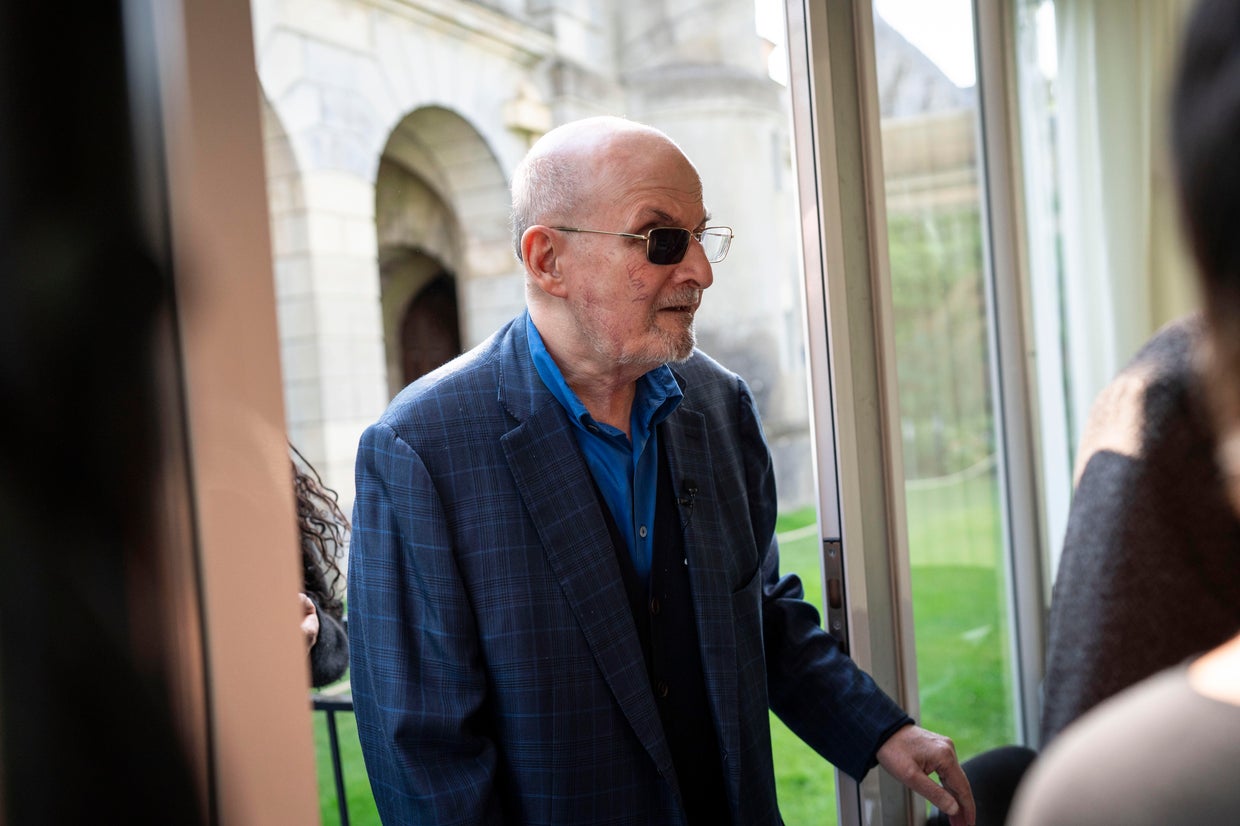
The state court trial in February focused primarily on establishing that Matar carried out the attack. Video evidence showing Matar approaching Rushdie from behind and stabbing him repeatedly was described as particularly damaging to the defense. The federal case, by contrast, will examine the ideological and organizational connections prosecutors claim motivated the attack.
Rushdie testified during the state trial that his attacker’s eyes appeared “very ferocious” as he approached before “hitting and slashing” him across his chest, torso, waist, and eye. The author described fearing he was dying during the assault. Rushdie also suffered damage to his liver and permanent nerve damage to one hand.
Matar has pleaded not guilty to the federal charges. His attorney, Nathaniel Barone, previously declined to call any witnesses during the state trial. In that case, prosecutors presented slow-motion video of the attack and called a trauma surgeon to testify that Rushdie would have died without immediate medical intervention.
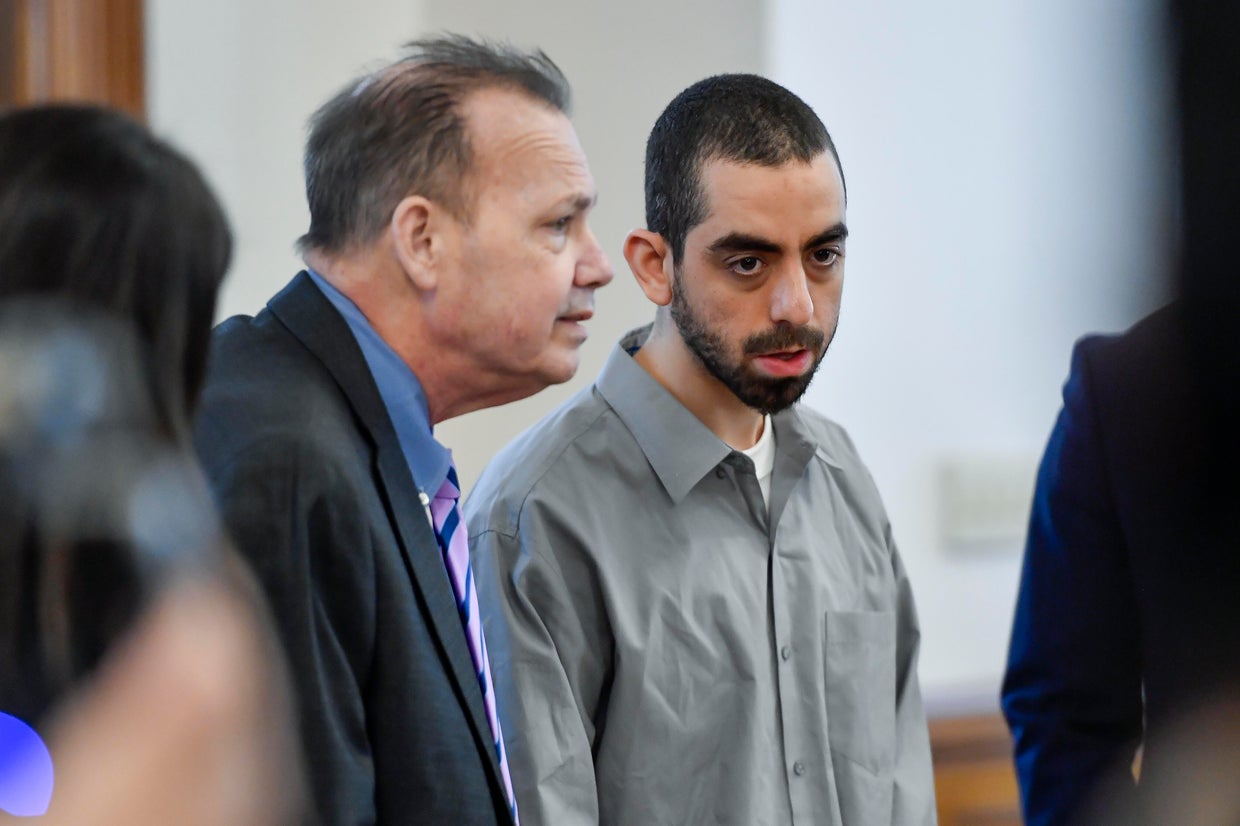
Born in the United States to parents who immigrated from Lebanon, Matar is a citizen of both countries. His mother has said he became moody and withdrawn following a 2018 trip to Lebanon, where Hezbollah is based.
In May, Matar was sentenced to the maximum 25 years in prison for the state attempted murder charge and an additional seven years for assaulting Henry Reese, the event moderator who was also wounded during the attack. He remains detained at the Chautauqua County Jail in Mayville while facing the federal charges.
The federal trial represents a significant escalation in the prosecution’s case. While the state case centered on the physical facts of the knife attack, the federal proceedings will delve into whether Matar was part of a terrorist organization’s efforts to carry out the fatwa against the author. Prosecutors have indicated they may call expert witnesses to help contextualize evidence regarding Matar’s alleged embrace of Hezbollah ideology and his effort to carry out the religious directive.