

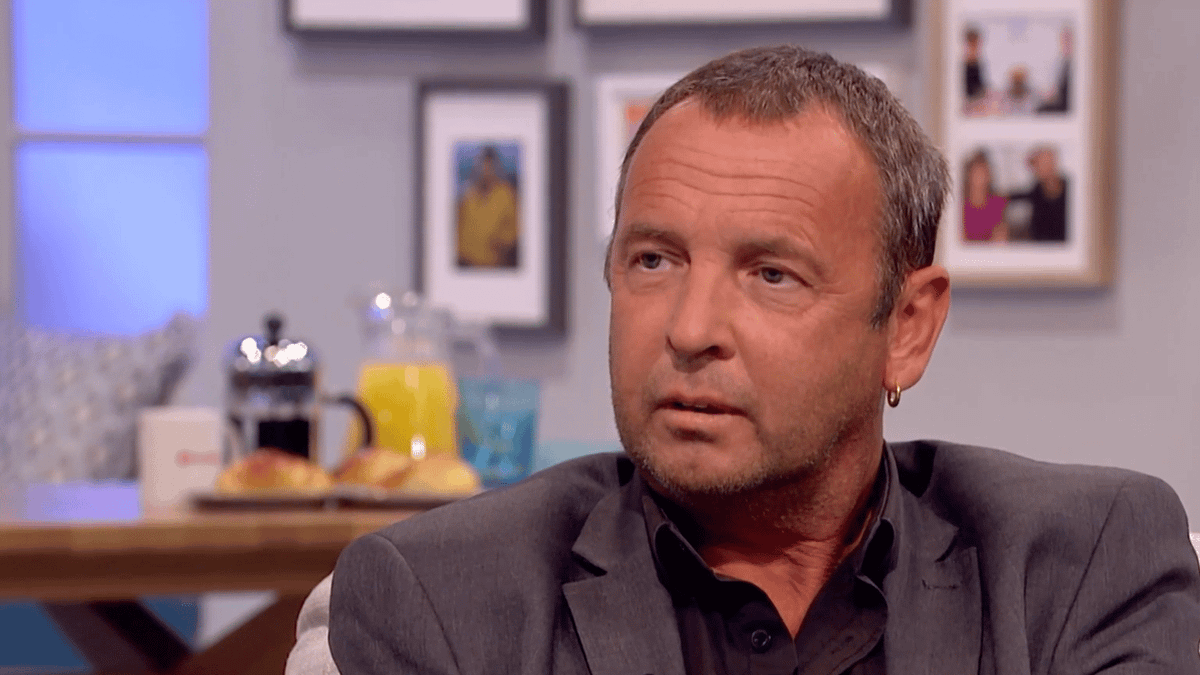
A man who was falsely accused of murdering a woman in broad daylight in front of her 2-year-old son has spoken out on how the ordeal ‘ruined his life’.
Colin Stagg was arrested and remanded in connection with the killing of Rachel Nickell, who was murdered on Wimbledon Common in July 1992.
He has now described the impact the case had on him in a Netflix documentary, The Murder of Rachel Nickell, explaining how the experience left his ‘life was ruined’.
Nickell was stabbed 49 times, with her two-year-old son Alex the only witness to the attack.
Investigators assembled a major hunt for the killer, deploying 54 detectives, but they were working without additional eyewitnesses or forensic evidence.
Momentum shifted after an episode of CrimeWatch aired a psychological profile of the likely perpetrator, created by a consultant clinical psychologist. Following the broadcast, police received numerous calls; at least two local people said the artist’s impression resembled Stagg, who acknowledged he had been on the common around the time Nickell was found.
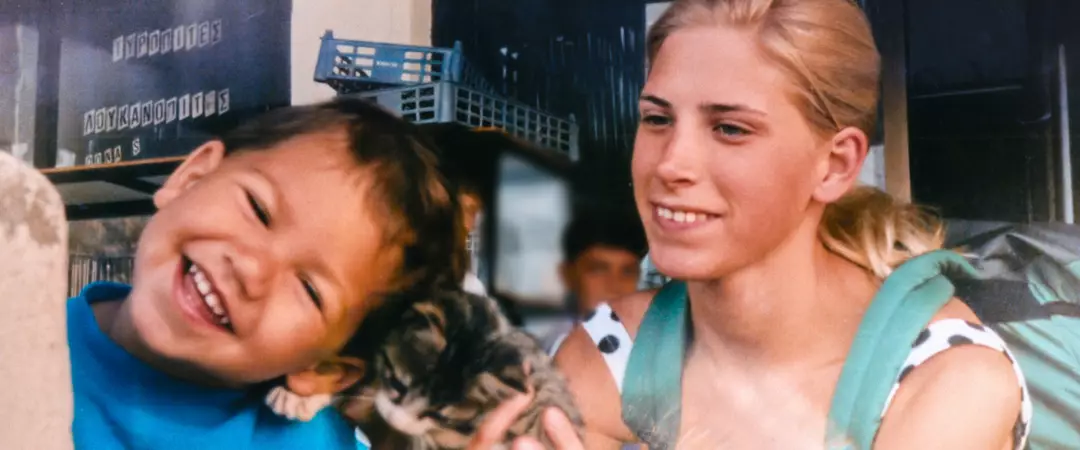
Police later pointed to knives found in Stagg’s home, describing it as an ‘odd home’ and claiming the items suggested he ‘wasn’t a normal person’. He had also previously been charged with indecent exposure. Stagg was arrested in September 1992, but was released because detectives still did not have sufficient evidence to charge him with Nickell’s murder.
The inquiry then took a different turn after a woman who had seen Stagg on television contacted police to say she had been exchanging Lonely Hearts Club letters with him, describing the correspondence as ‘disturbing’ and ‘vulgar,’ which led to an undercover ‘honey trap’ operation.
Detectives analysed the letters as a way of assessing Stagg’s mindset, and set out to see whether his ‘sexual fantasies’ might prompt details about the killing that only the murderer would know.
Using the alias Lizzie James, an undercover officer exchanged explicit messages with Stagg. He was subsequently charged with Nickell’s murder in August 1993, 13 months after the attack.
Although police believed they now had enough to proceed, the case collapsed after Stagg spent more than a year in custody. Mr Justice Ognall ruled the disputed undercover “honey-trap” material could not be used, and Stagg was acquitted.
In November 2007, Robert Napper was formally identified and charged with Nickell’s murder following developments in DNA profiling. Napper was also responsible for the killings of Samantha Bissett and her four-year-old daughter Jazmine in November 1993.
In the documentary, Stagg recalls sitting down to watch football one evening when there was a knock at his door. Two journalists, he said, told him another man had been arrested for Nickell’s murder and that DNA evidence supported the arrest.
Stagg, who said he ‘had become sick of the whole thing,’ and that it had ‘dragged on for 15 years,’ asked them to come back an hour later because he did not want to be interrupted while watching the match.
“From when I was arrested, there were articles in the newspapers stirring people’s emotions up against me,” Stagg said, describing being confronted in public by people shouting ‘guilty’ and ‘hang him’.
He said many remained convinced he was responsible and had ‘gotten off on technicality,’ despite not hearing the case put for or against him.
Holding the letters sent by the undercover officer, Stagg reflected on how the correspondence affected him: “I’d never had a proper girlfriend up until the age of 29, so when I received a letter from Lizzie James, I just felt really happy that a woman had shown interest in me.
“I had very low self-esteem anyway, before this started. This knocked me back even further, deeper and deeper.”
He added that the allegations left him ‘extremely paranoid,’ and he became frightened to even look in a woman’s direction in case it was misinterpreted and he was accused of following her.
“And I just thought, ‘Well this is your life now. You’ve just got to get on with it, you know. Don’t trust anybody.’”
In 2008, Stagg’s solicitor said he received £706,000 in compensation.
Key moments in the wider timeline of events include Napper’s mother contacting police to report her son had told her he raped a woman on Plumstead Common (a rape police were unable to trace), a series of attacks on the Green Chain Walk in south-east London, and the murder of Rachel Nickell on 15 July 1992.
After Crimewatch appeals, Stagg was arrested following reports he resembled the photofit. During the same period, Napper was initially removed from the Green Chain rape inquiry for being ‘too tall’ and later received a short prison sentence for firearm and ammunition possession.
Stagg was formally charged, but his case was ultimately thrown out by Mr Justice Ognall.
In November 1993, Samantha Bissett and her daughter Jazmine were murdered in Plumstead; Napper’s fingerprints and other evidence linked him to the scene, and DNA work connected him to the Green Chain rapes. He later pleaded guilty to the manslaughters of the Bissetts, two attempted rapes, and one rape, and was detained at Broadmoor.
After further investigation, Napper was charged with Nickell’s murder. Stagg was awarded £706,000 ($949,640) compensation by the Home Office for being wrongly accused, and Napper later pleaded guilty to manslaughter of Nickell on the grounds of diminished responsibility after diagnoses including paranoid schizophrenia and Asperger’s syndrome.