

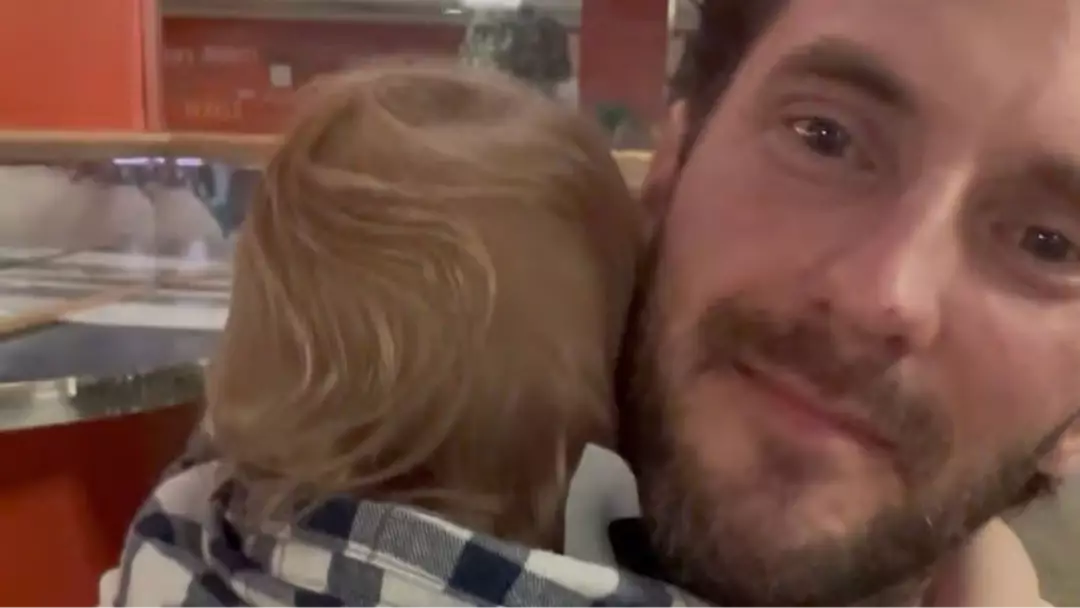
A man who was diagnosed with a rare and aggressive type of brain tumor has shared his experience with what he initially considered ‘insignificant’ symptoms before receiving his diagnosis.
In October 2025, Shane Crommer from Nottingham, UK, began noticing unexplained symptoms but dismissed them at first.
Shane felt fatigued and had frequent headaches, attributing them to the demands of family life, particularly raising his 20-month-old son, Elijah, with his wife Laura.
He also had issues with his vision, which he attributed to needing a new glasses prescription. Shane believed at the time that these symptoms were ‘insignificant,’ but they proved to be quite serious.
The 35-year-old explained, “I was just tired all the time. But I explained it away. I told myself I’d be fine.

“I thought my vision problems were nothing serious, I assumed my prescription needed updating, as I’d worn glasses most of my life.
“I’d lose my keys, feel less sharp, and sometimes just forget what I was doing. Each symptom on its own felt insignificant, but looking back, they were all connected.”
Laura also began to notice changes in Shane, observing that he was unusually tired and not as attentive as he had been for a few months.
By October 2025, Shane’s condition worsened with constant pressure behind his eye and ear, extreme fatigue, and other symptoms.
After a fall while trying to pick up his son, Shane was prompted to schedule an urgent appointment with his GP.
Following the appointment, Shane was taken to the hospital, where tests revealed the presence of multiple brain tumors.
He was diagnosed with diffuse midline glioma, a very aggressive cancer typically found in children and young adults.
Shane reflected, “The reality hit hard. The hardest part wasn’t thinking about myself. It was thinking about Laura and Elijah, and what it would mean not to be here for them.”
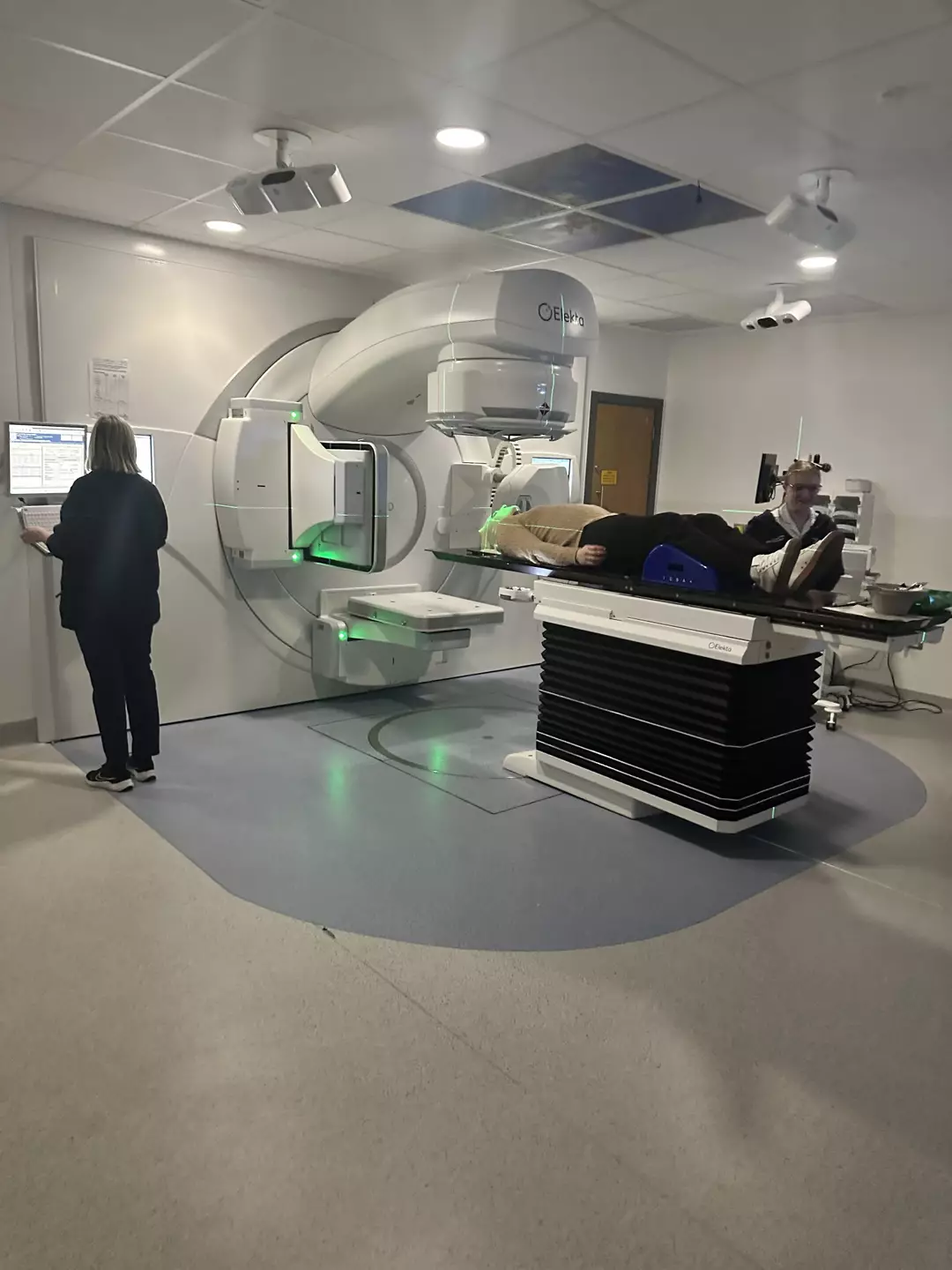
After undergoing 30 sessions of radiotherapy, Shane is now being evaluated for participation in a clinical trial.
He is now using his experience to raise awareness, while also supporting the launch of the Brain Tumor Research Centre of Excellence at the University of Nottingham.
Shane urged, “If something doesn’t feel right, speak up. Trust the people close to you who notice changes. Ask questions and request further investigation. Brain tumors don’t discriminate. Families deserve better options, better treatments, and better hope than currently exists.”