

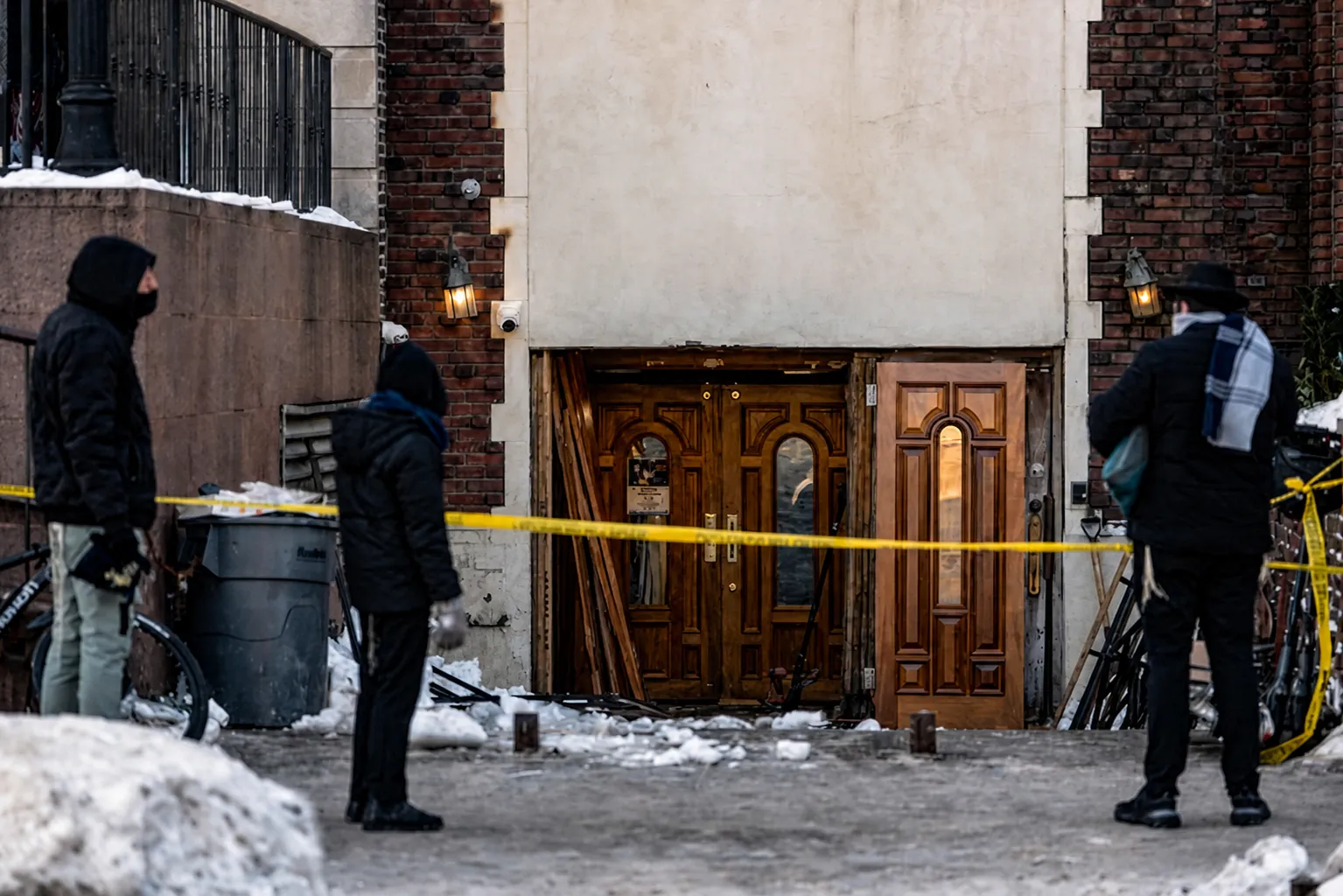
A New Jersey man was sentenced Wednesday to just over six months in federal prison for ramming his car into the world headquarters of the Chabad Lubavitch movement in Brooklyn, a Jewish institution that has served as one of the global centers of Hasidic Judaism since the late 1700s.
Dan Sohail, 36, of Carteret, New Jersey, received the lenient sentence despite prosecutors urging the judge to impose 14 months behind bars. The sentencing highlighted a stark disagreement over how to handle an attack on a religious institution at a time when antisemitic hate crimes in New York City have surged to alarming levels.
Judge Eric N. Vitaliano imposed the sentence of time served plus seven additional days, allowing Sohail to be released within about a week since he has already spent approximately six months in custody. The judge ordered Sohail to pay $19,010 in restitution for repairs to the building.
On January 28, Sohail drove his 2012 Honda Accord into the side entrance of the Chabad headquarters at 770 Eastern Parkway in Crown Heights at approximately 8:40 p.m. Federal prosecutors said he removed protective stanchions, gestured for congregants to move out of the way, and then deliberately rammed his vehicle into the doors five consecutive times. The impact knocked the door off its hinges and destroyed his car’s front bumper. The building housed approximately 2,000 people at the time, gathered for an event marking the 75th anniversary of Rabbi Menachem Mendel Schneerson becoming the leader of the Lubavitch movement, but no one was injured.
Sohail pleaded guilty in May to one count of intentionally damaging religious property, resolving the case without a hate crime conviction. Federal sentencing guidelines called for zero to six months in prison, though the charge carries a maximum sentence of three years. Prosecutors initially investigated the incident as a potential hate crime, charging Sohail with attempted assault, reckless endangerment, criminal mischief, and aggravated harassment as hate crimes. However, Brooklyn District Attorney Eric Gonzalez dropped those state charges, and federal prosecutors determined there was insufficient evidence to pursue a hate crime conviction.
At sentencing, Judge Vitaliano expressed skepticism about the government’s rationale for seeking a stiffer sentence. He said he was “somewhat saddened” that the Justice Department sought to influence his sentencing decision based on what he characterized as a mistaken public impression that the attack was a hate crime. The judge cited a psychiatric report he reviewed and said Sohail’s mental health challenges played an important role in his decision-making.
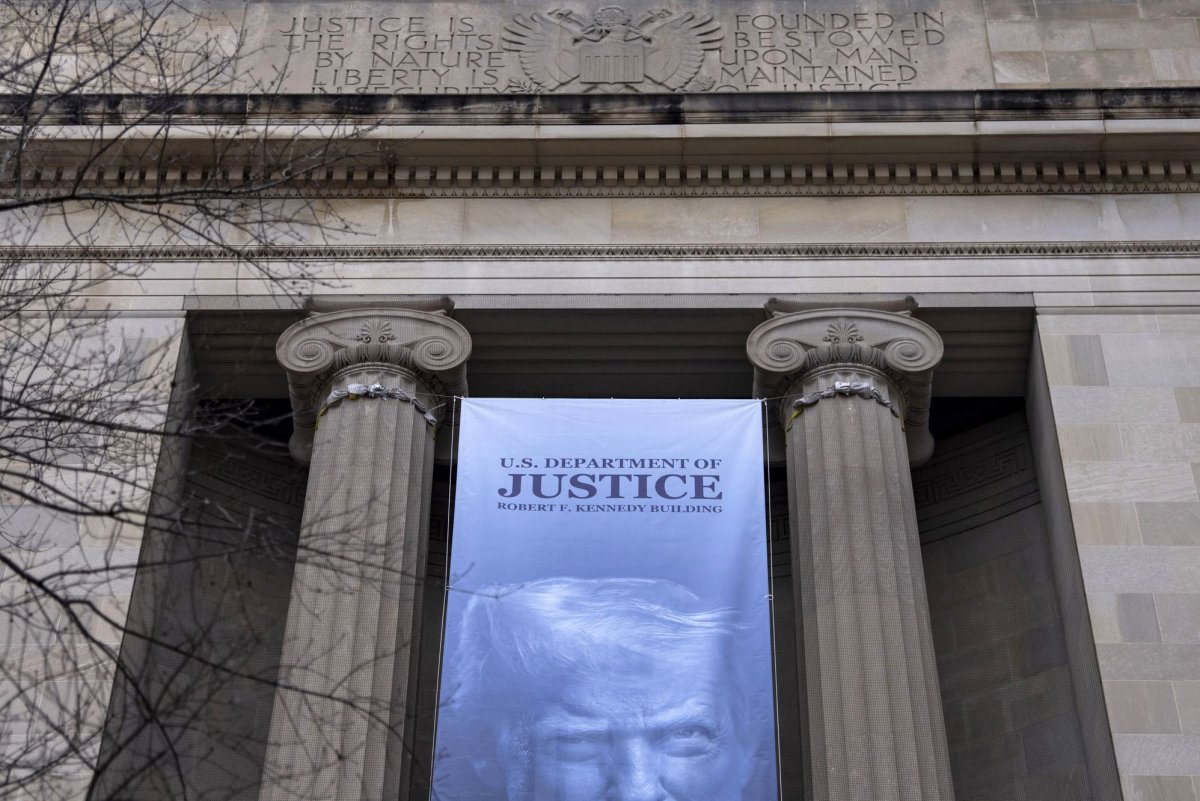
Prosecutors had sought the 14-month sentence partly to send a deterrent message against attacks on Jewish institutions. They noted in their sentencing memo that “the defendant rammed his car into one of the most visible Jewish institutions in the world at a time and in a city where anti-Jewish crimes are surging.” According to prosecutors, 80 of 146 hate crime incidents across New York City since the start of 2026 were based on crimes against Jews and Jewish institutions.
Sohail’s defense lawyer, Mia Eisner-Grynberg, presented a different narrative about her client’s motivations. She argued that Sohail was struggling with significant mental health issues and was actually seeking acceptance within the Jewish community. According to court documents, Sohail had recently learned he had Jewish heritage and had been invited to the Chabad headquarters that evening to learn more about the religion’s traditions.
The record showed that before the attack, Sohail had attended a social gathering at the Chabad headquarters, where he was seen on video dancing with Orthodox men. He had also visited a synagogue in New Jersey seeking to convert to Judaism, though congregants called police after he began yelling outside the facility. Police recommended he seek mental health counseling but did not arrest him at that time. Prosecutor Eric Silverberg acknowledged at a March hearing “very significant mental health concerns” about Sohail. People close to Sohail, including family members and Chabad rabbis, stated he did not harbor hatred toward Jews but suffered from mental health issues.
Sohail initially told police at the time of the attack that he had lost control of the vehicle and pressed on the gas pedal with his heavy boots. However, in Brooklyn federal court in May when he pleaded guilty, he told Judge Vitaliano that he drove from New Jersey “and intentionally damaged the building” because it is the Chabad headquarters.
At sentencing, Sohail did not speak but thanked the judge at the end of the proceeding.
The case generated significant reaction from the Chabad community. Rabbi Yaacov Behrman, a Chabad spokesperson, expressed frustration after Sohail’s guilty plea, saying “the message needs to be sent loud and clear that attacking a synagogue will be met with serious consequences.” He added, “That message was not heard in court today.”
The sentencing reflects broader tensions over how to address rising antisemitism in New York City. According to the most recent data, antisemitic incidents accounted for more than half of all confirmed hate crimes in the city in 2026 despite Jews comprising only approximately 10 percent of the population. In January 2026 alone, there were 31 reported anti-Jewish incidents, representing a 182 percent increase compared to January 2025. By May 2026, confirmed antisemitic hate crimes had surged to 41 incidents in a single month, a 71 percent increase from May 2025.
The spike in antisemitic violence has prompted city officials and community organizations to launch initiatives aimed at combating hate crimes. The city established an Office to Combat Antisemitism in 2025, and Governor Hochul proposed legislation to criminalize demonstrating within 25 feet of a house of worship with the intent to harass worshipers.