


A tragic incident occurred when a man died from rabies after receiving a kidney transplant from an infected donor.
The recipient, residing in Michigan, received the kidney from a donor who had died following a skunk scratch incident while attempting to rescue a kitten.
Approximately five weeks post-transplant, the recipient began showing symptoms consistent with rabies and was subsequently hospitalized.
The NHS explains that rabies symptoms typically manifest between 3 to 12 weeks after exposure, but onset can be delayed, taking months or even years. Symptoms include numbness, tingling, hallucinations, and paralysis.
Upon hospitalization, the man exhibited tremors, weakness, confusion, and urinary incontinence.
Unfortunately, he succumbed to the disease, with a postmortem confirming rabies as the cause, though his family insisted he had no direct exposure to the virus.

Rabies is a global concern, with higher prevalence in regions such as Asia, Africa, and Central and South America.
It primarily spreads through mammals like dogs, bats, raccoons, and foxes, typically via bites or scratches; contact with mucous membranes or open wounds by licking from an infected animal can also transmit the virus.
Following the postmortem findings, doctors re-evaluated the case and identified the donor as the infection source.
Initial lab tests for the donor were negative, but kidney biopsy samples revealed a rabies strain linked to the silver-haired bat.
The transmission chain likely involved a bat infecting the skunk, which subsequently infected the donor, whose kidney was then transplanted.
A CDC report states: “Although rabies virus is typically transmitted through mammalian animal bites or scratches, human-to-human transmission has occurred through organ and tissue transplantation.”
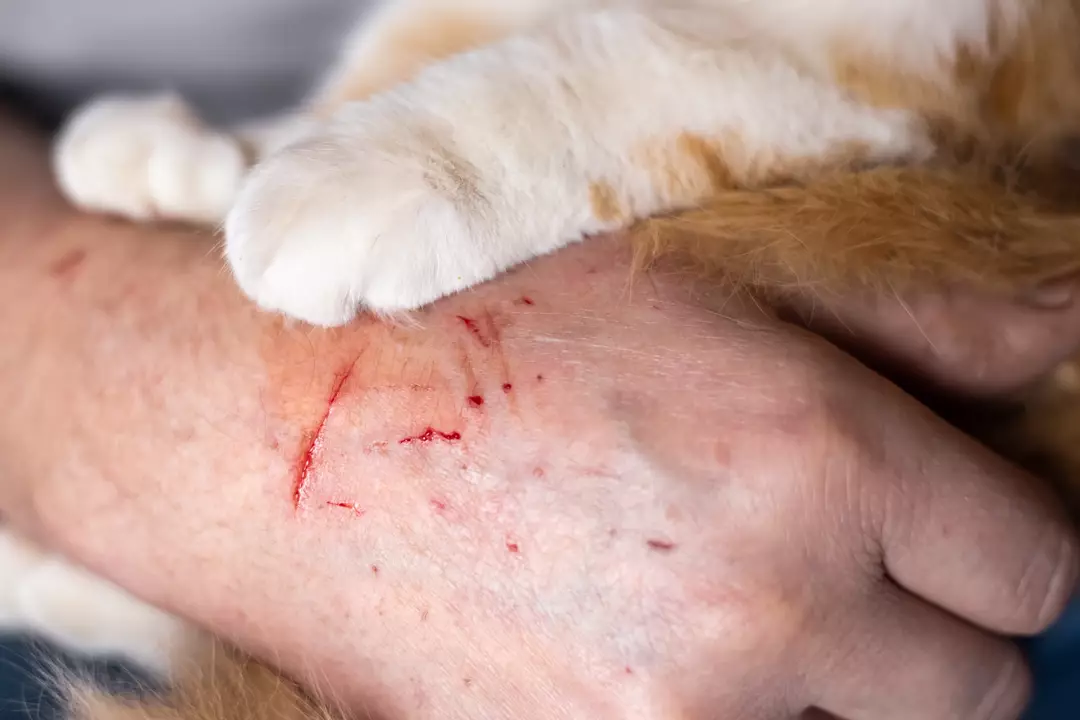
“From 1978 to 2013, three transplant-transmitted rabies events in the United States affected nine tissue or organ recipients. Rabies is almost always fatal without timely receipt of postexposure prophylaxis (PEP).”
The report also indicated that three other individuals received cornea grafts from the same donor. These grafts have been removed, and recipients have received Post-Exposure Prophylaxis (PEP).
The CDC highlighted that rabies is not typically included in routine donor pathogen screening due to its rarity in humans in the U.S. and the complexity involved in diagnostic testing.
The report further noted: “In this case, hospital staff members who treated the donor were initially unaware of the skunk scratch and attributed his pre-admission signs and symptoms to chronic co-morbidities.”