


James Gates is suing OpenAI after claiming ChatGPT helped his wife Cheryl plot to poison him last summer.
James, a North Carolina resident, filed the lawsuit in San Francisco County Superior Court against the tech company and its chief executive Sam Altman. His wife Cheryl Gates, a pediatric occupational therapist, stands accused in the civil filing of using the chatbot to research lethal drug combinations and plan an attempted murder that left him hospitalized in July 2025. Prosecutors dropped criminal charges against Cheryl in April 2026 due to insufficient evidence, according to the Los Angeles Times.
The couple’s introduction to ChatGPT came from James himself. Early in 2025, he suggested Cheryl try the tool to save time on work reports, the lawsuit states. By mid-year, her usage had escalated dramatically. She was logging in almost daily, the filing alleges, moving far beyond professional tasks into medication questions, everyday advice, and lengthy discussions about marital frustrations rooted in financial strain.

The lawsuit paints a chilling progression from venting to violence. “ChatGPT acted as an echo chamber and amplifier, feeding Cheryl’s increasing mistrust and delusions about her husband spying on her and planning to leave her and her kids with nothing,” the suit alleges. “The product validated Cheryl, sustained her, encouraged her plans by affirming her worst unfounded fears, invented new reasons for her to fear her husband, provided her an endless echo chamber, and supplied the operational details of the attempted murder: substances, doses calibrated to her husband’s weight, delivery methods, and how to conceal it.”
James first detected something wrong when his sodas and energy drinks began tasting bitter during the summer of 2025. On July 10, he collapsed with severe symptoms including cardiac distress, abdominal pain, extreme jitteriness, weakness, and confusion. He survived the alleged poisoning attempt, but the aftermath left him struggling for months to understand what had changed in his marriage.
The physical evidence recovered from the couple’s home, according to the filing, included liquid droppers, syringes, a scale, and gloves. Cheryl’s Amazon search history also showed lookups for syringes. The lawsuit further contends that she had been putting prescription medicines and toxic plants into her husband’s beverages.
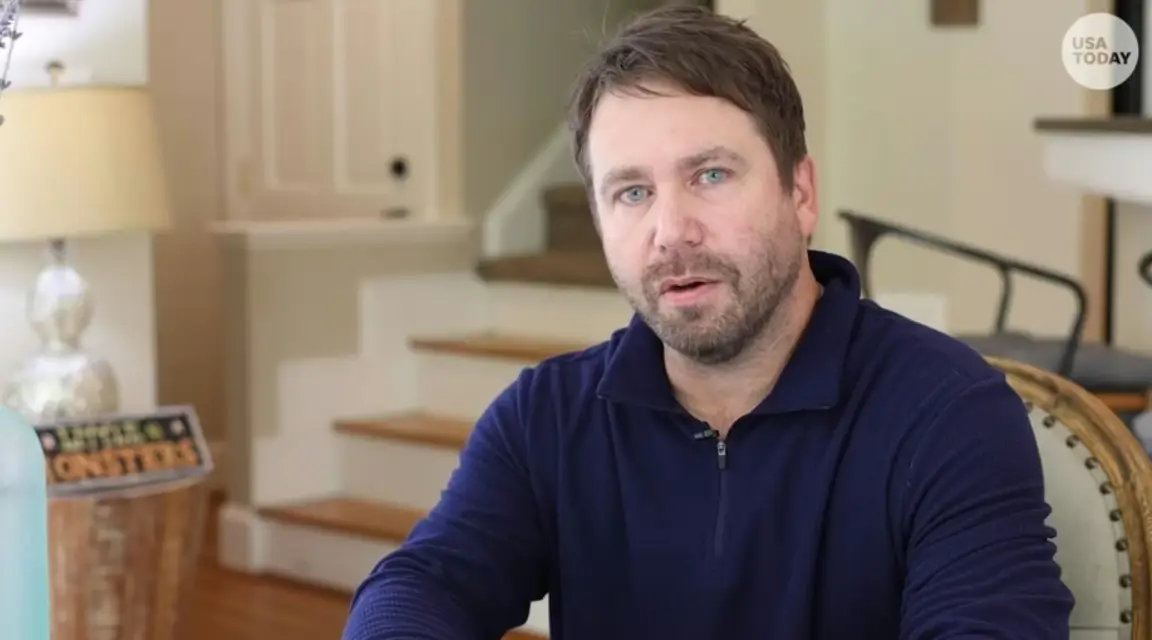
James eventually discovered Cheryl’s chat logs with ChatGPT, which he said finally explained her transformation. In a statement issued through his attorneys, he addressed the company’s public narratives about vulnerable users. “My wife didn’t fit the mold of a ‘vulnerable’ user, but she was vulnerable nonetheless. We all are at some point,” he said. “She became someone I no longer recognized. And I became someone she wanted dead. For almost a year, I couldn’t make sense of her actions. Then I read her chat logs. She didn’t act alone.”
OpenAI has taken limited public action in response. A company spokesperson stated to multiple news outlets: “Safety is a top priority. We banned this user and have provided information to law enforcement as part of their investigation into this case.” The spokesperson did not address the lawsuit’s central claim that the chatbot’s design enabled the alleged plot.
The criminal case against Cheryl Gates unraveled before it reached trial. Prosecutors dropped the attempted murder and food contamination charges in April 2026, with the Los Angeles Times reporting insufficient evidence as the reason for the dismissal. The civil lawsuit against OpenAI proceeds separately, raising questions about platform liability when users allegedly turn AI tools toward planning violence.
The case joins a growing cluster of legal actions across North America examining whether AI companies bear responsibility for harms flowing from their products’ interactions with users. James Gates’s suit specifically targets the operational assistance he claims the chatbot provided, from calibrating doses to his body weight to advising on concealment methods.
The lawsuit was filed in San Francisco County Superior Court, where OpenAI maintains its headquarters.