

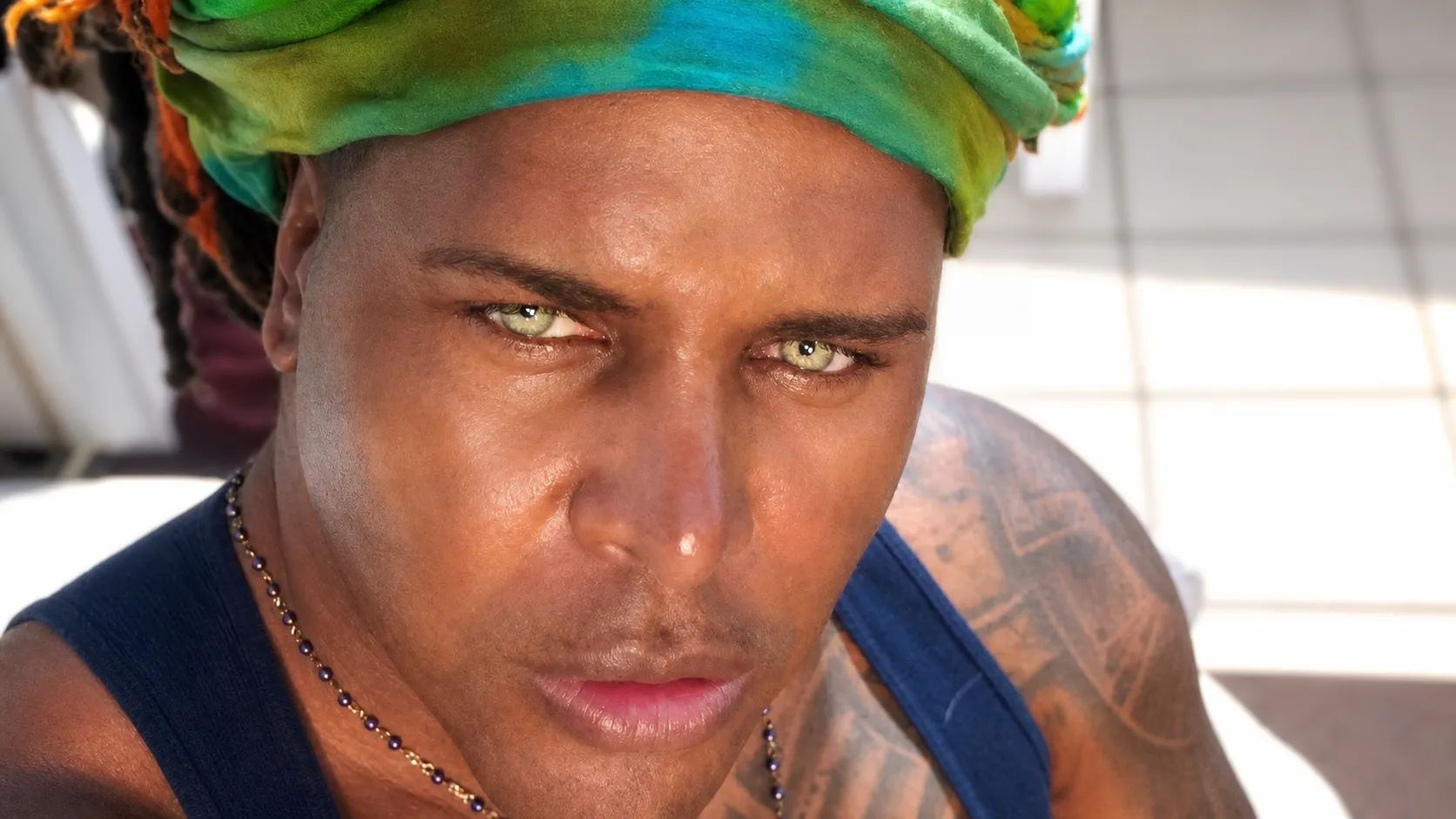
David Taylor has spoken about the painful fallout from surgery intended to permanently alter his eye color, after he says doctors gave him a completely different shade from the one he requested.
The subject of the documentary Caterpillar, Taylor chose to undergo artificial iris implant surgery after spending years unhappy with the way he looked.
“At the time, I wanted a fresh start,” he said.
“My father’s side of the family has lighter, green eyes, and I always felt drawn to that. More than changing my eye colour, I wanted to change how I felt about myself.
“I thought that if I changed something so significant about my appearance, I would become a happier, more confident version of myself.”
He said the procedure first came onto his radar through online research and social media.
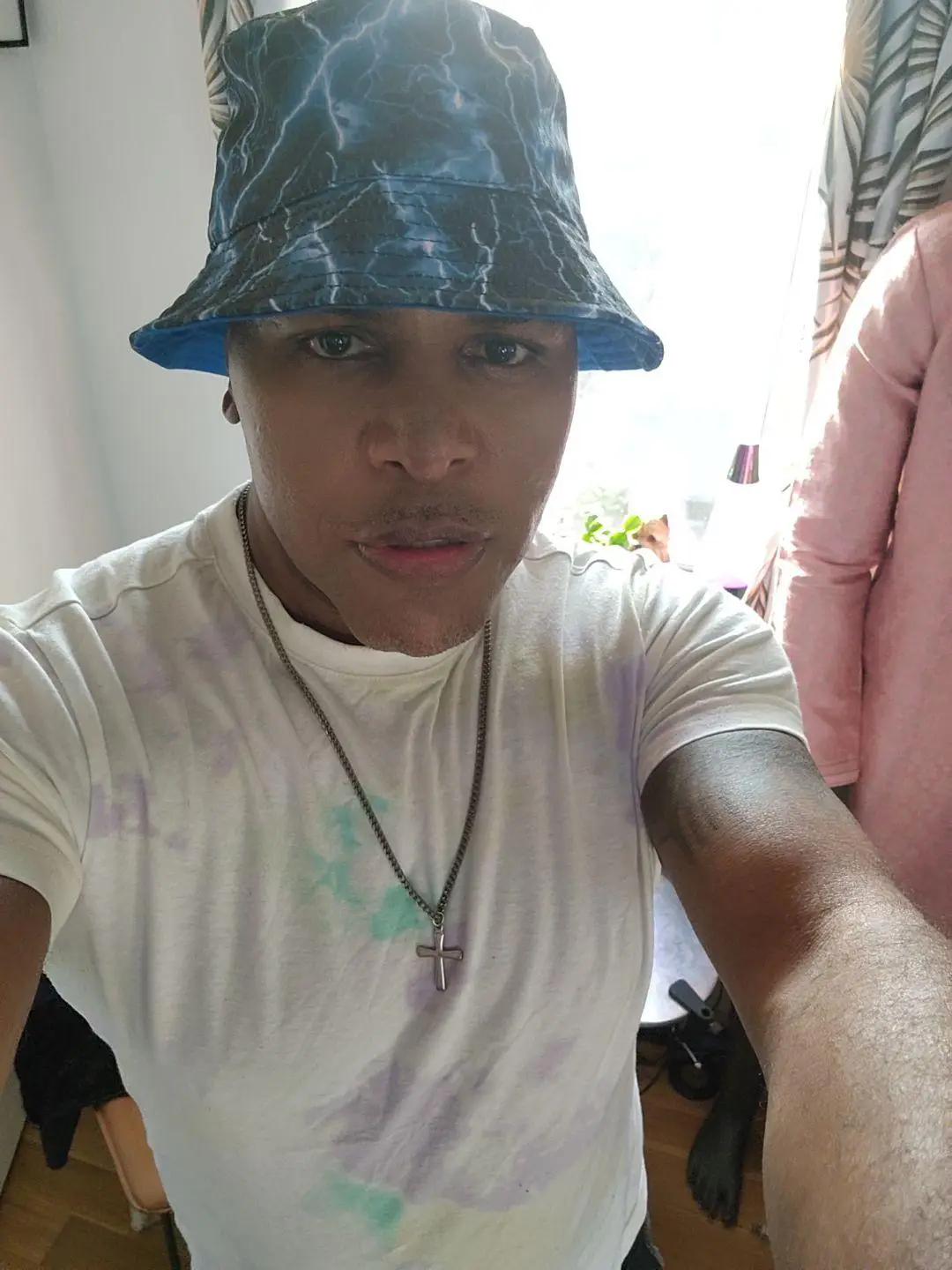
“I first learned about the surgery through YouTube, Instagram, and articles I found online. I spent a lot of time researching it and watching people share what looked like incredible results,” he explained.
“India kept coming up as one of the leading places to have the procedure done because of the surgeons’ experience, so I believed it was the best option.”
Despite that confidence, he said he went into the operation carrying serious fear.
“I was feeling a mix of emotions. I was excited because I thought I was about to begin a new chapter in my life, but I was also terrified. I kept wondering if I was making a mistake and whether something could go wrong, including the possibility of losing my vision.
“Even with those fears, I had faith and believed everything would be okay.”

According to Taylor, he got in touch with BrightOcular, the company behind the implants, after realizing he could not afford the procedure on his own.
He said that instead of paying outright, he предложed sharing and promoting his experience in exchange for treatment.
He was then reportedly invited to travel to India with a small group for surgery, after being told it would transform his life and leave him “feeling and looking better”.
The procedure Taylor described is part of a much wider debate about cosmetic iris implants. In the United States, the FDA has approved a prosthetic iris device for people with damaged or absent irises for medical reasons, but cosmetic iris-color change implants are not approved for that use and have been associated with serious complications in medical reports.
Potential risks linked to these implants include infection, inflammation, high eye pressure, glaucoma, corneal damage, and iris deterioration. Medical studies have reported cases involving corneal decompensation, iritis, glaucoma and the need for urgent removal in some patients, with complications sometimes severe enough to require further surgery.
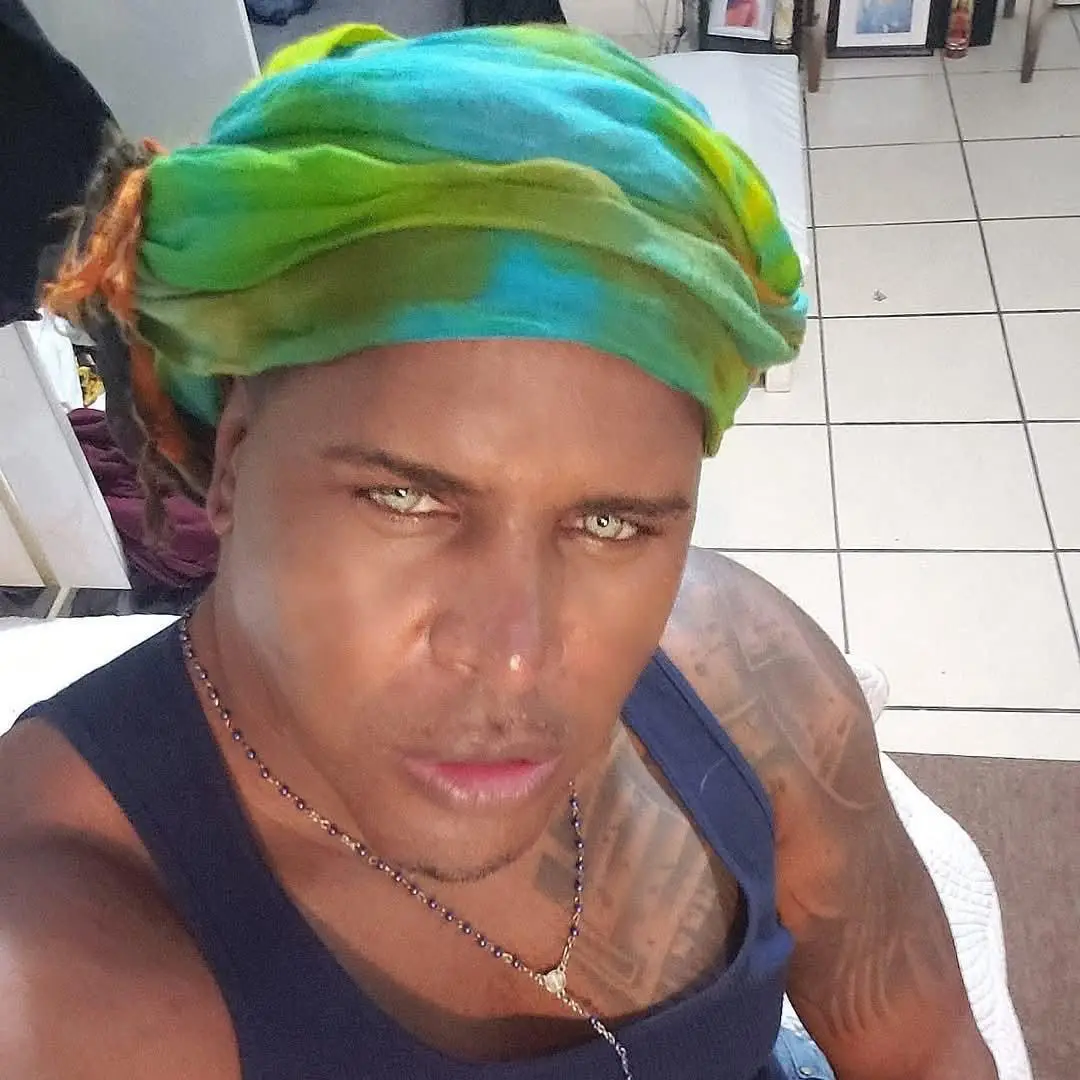
Taylor said the most difficult part during the operation itself was being conscious for the whole thing.
“The surgery was intimidating because I was awake,” he said.
“The most uncomfortable part was having the device hold my eye open. I mostly felt pressure rather than pain. At one point my vision went completely black, which was frightening, but then it returned.”
He said the real ordeal began afterward, during recovery.
“The recovery and the complications were by far the hardest part,” he said.
“I experienced headaches, constant light sensitivity, red eyes, itching, and a gritty feeling like there was sand in my eyes all the time.
“That was the moment I realized I had made a decision that would affect my life in ways I never expected.”
Things became even worse when he realized the final color was not what he had asked for.
“I was devastated. I felt shocked, angry, disappointed, and full of regret. I remember thinking, ‘I did all of this for nothing.’ I also realized that I had put my eyesight at risk. It was one of the hardest moments of my life.”
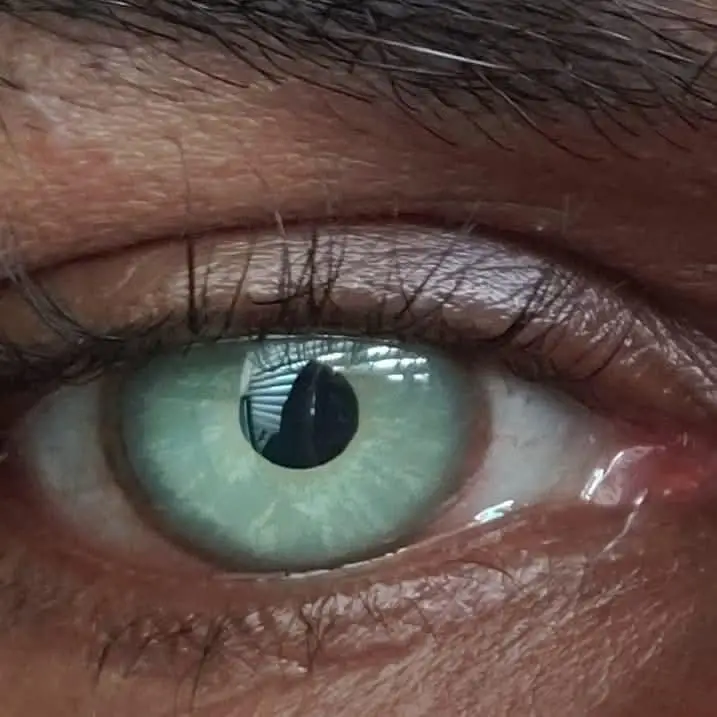
Even after learning the result had gone wrong, Taylor said he still had to undergo four more operations.
In Caterpillar, he describes that fear plainly.
“This is scary, this s**t is scary… Another operation,”
He now says he feels fortunate that his eyesight survived.
“I’ve now had four surgeries. Thankfully, I still have my vision, and I’m incredibly grateful for that. I can still see some damage to my irises, and I notice differences when I look closely, but I know how fortunate I am. Many people who underwent similar procedures have experienced much worse complications.”
Looking back, Taylor said the experience completely changed how he sees the decision he made.
“I would definitely do more research and listen more carefully to other people’s experiences. At the time, though, I was so determined that I’m not sure anyone could have changed my mind.
“Looking back now, I wish I had loved myself enough not to take that risk. Today, I understand that no cosmetic procedure is worth risking your health or your vision.”

He said he now wants his story to act as a warning for anyone thinking about doing the same thing.
“I would never judge someone because I made the same decision myself. Instead, I would encourage them to learn everything they can before making that choice. If someone has already had complications, I want them to know they aren’t alone.
“I’ve helped several people find support after experiencing problems, and I’m proud that Caterpillar has opened the door to those conversations. If sharing my story helps even one person avoid what I went through, then it’s worth it.”
Taylor also said the ordeal changed far more than his appearance.
“I’ve become much more confident, grateful, and accepting of myself. I no longer believe my value comes from my appearance. I recognize my sense of humor, my kindness, and my ability to connect with people.”
He said his focus now is on moving forward and helping others who may be facing similar consequences.
“I want to keep sharing my story and reminding people that healing starts from within. Today, I know I’m enough just as I am, and that’s the greatest gift this journey has given me.”
BrightOcular has been approached for comment.
The wider debate around artificial iris surgery has only intensified in recent years, with eye specialists stressing that medically approved iris implants are intended to treat trauma or congenital defects, not to change eye colour for cosmetic reasons. That distinction matters because the risk profile for purely cosmetic implants is much higher than for medical reconstruction procedures.