


Emanuel Swedenborg’s centuries-old writings on heaven are drawing fresh attention after a podcast explored his detailed claims about daily life in the afterlife.
The 18th-century Swedish scientist and theologian, who died in 1772, spent the final three decades of his life asserting that his spiritual senses had opened, allowing him to visit heaven and communicate directly with angels and spirits. He documented these experiences extensively, with his 1758 book Heaven and Hell becoming his most famous work on the subject.
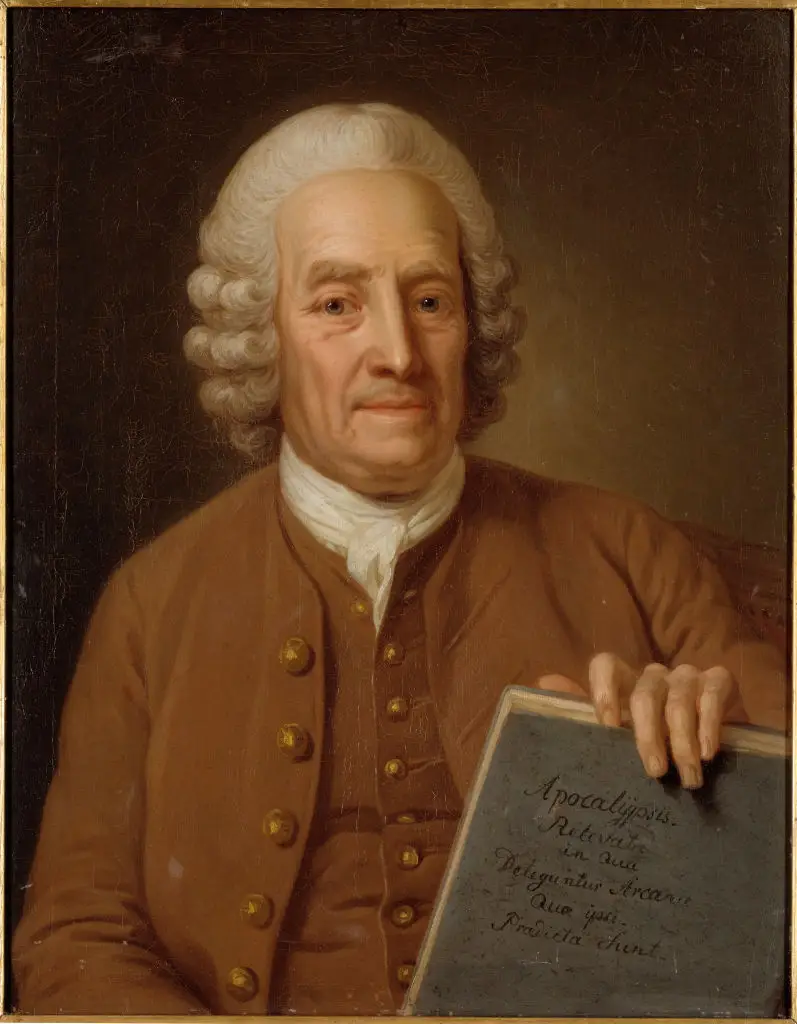
A recent episode of the Swedenborg & Life podcast, hosted by Curtis Childs, examined the theologian’s lesser-known 1768 text Conjugial Love for its vivid description of a morning in heaven. According to Swedenborg’s account, the day there begins with music that permeates every corner of the community.
“Every morning from the houses and around the public squares, you hear girls and young women singing songs of great sweetness,” Swedenborg wrote in Conjugial Love.
“The sound fills the entire city. Each morning, the song embodies one particular feeling related to spiritual love.
“That is the way the voices sound and the mode the song is in convey a given feeling so well that we experience the song as that feeling itself,” his account continues. “The song flows into our souls as we listen and stirs in us the feeling it corresponds to.”
Dr. Jonathan Rose, co-host of the podcast, noted how strikingly modern this routine sounds despite its age. “What’s so interesting to me about this is that this was written hundreds of years ago before any kind of internet or anything remotely like that. And yet, isn’t this describing work from home? People close their doors, close their windows, and everybody’s on exactly the same schedule,” Rose said during the episode.
He added: “So whatever that work is, he doesn’t describe exactly what they’re doing, but they’re in there. They’re doing something.”
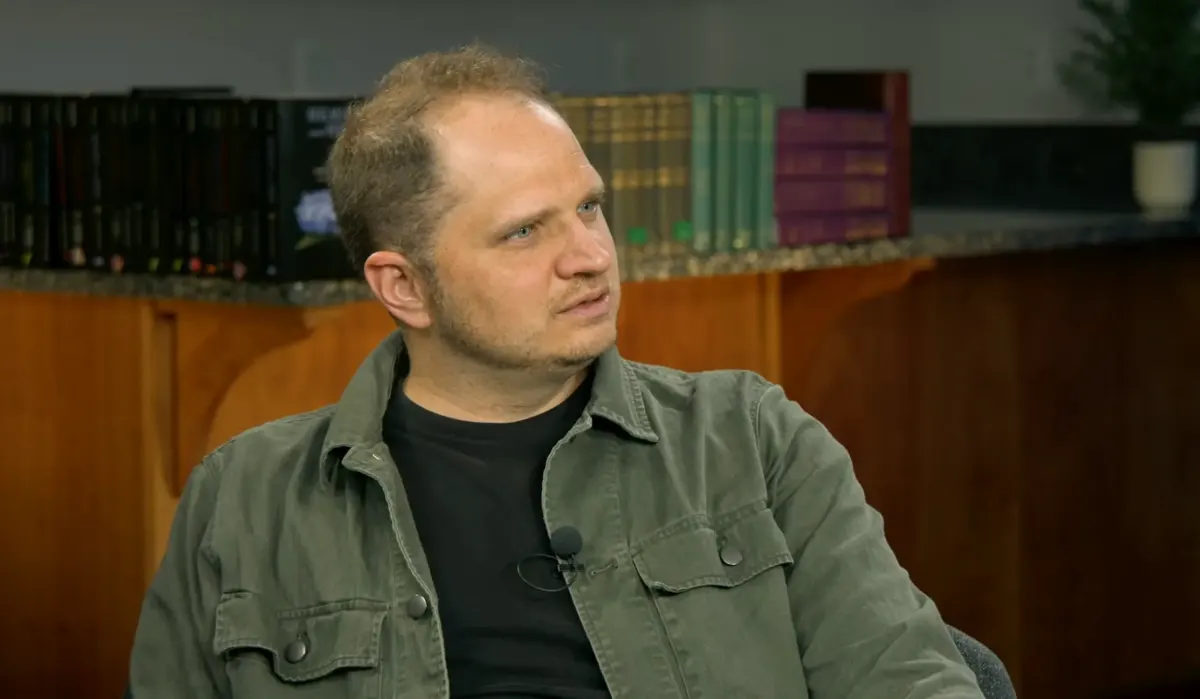
According to Swedenborg’s writings, once the morning songs conclude, the doors and windows of the houses close and the city falls silent. Residents then turn their attention to their individual work and daily responsibilities.
This structured routine challenges common pop-culture depictions of heaven as an ethereal realm of clouds and passive worship. Swedenborg instead portrayed the afterlife as containing familiar earthly elements: beautiful landscapes, gardens, houses, and thriving communities where people lead meaningful, active lives. He also described music, games, and other entertainment as regular features of existence beyond death.
At the start of the podcast episode, Childs addressed this misconception directly. “Not a lot of people get that heaven isn’t just sitting around looking at God all day,” he said.
Rose expanded on this point, emphasizing that Swedenborg’s heaven involves purposeful activity and social connection. “No, it’s doing things you love and socializing, and there’s a lot of fun involved,” he said.
Swedenborg’s claims emerged during a period of intense scientific and philosophical inquiry in Europe. Born in 1688, he established himself first as a respected scientist and inventor before his spiritual experiences began in his fifties. His theological works, published in Latin, developed a devoted following that has persisted for more than two centuries. The Swedenborg Foundation continues to publish and promote his writings today, and the Swedenborg & Life podcast represents one of the contemporary efforts to introduce his ideas to new audiences.
The podcast’s discussion of Conjugial Love highlights how specific Swedenborg’s claimed observations were. Rather than vague mystical impressions, he offered granular details about daily rhythms, architectural features, and social organization in the afterlife. His heaven operates on schedules, with collective experiences giving way to individual productive time.
Whether approached as spiritual testimony, historical curiosity, or literary phenomenon, Swedenborg’s writings continue to generate discussion about the nature of consciousness and what might follow death. The Swedenborg & Life podcast airs regular episodes exploring various aspects of his extensive body of work.