

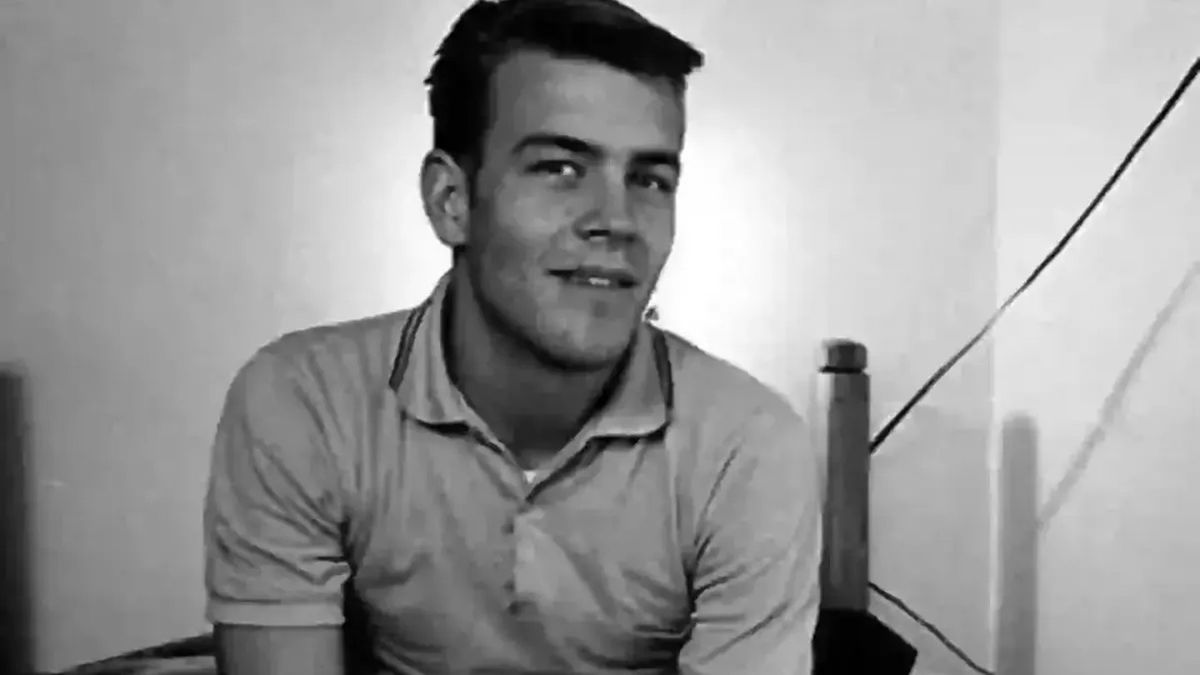
In December 1963, 17-year-old Randy Gardner teamed up with friends Bruce McAllister and Joe Marciano to find a standout idea for their science fair entry. After some brainstorming, they chose an extreme challenge: attempting to beat the world record for staying awake.
At that point, the benchmark belonged to a Honolulu, Hawaii radio DJ who was said to have remained awake for an astonishing 260 hours.
Gardner, who considered himself a serious science enthusiast, wanted to make a name for himself at the 10th Annual Greater San Diego Science Fair. He believed he could push beyond the existing record and prove it.
While their broader goal became understanding how lack of sleep affects the brain, the experiment didn’t begin with that exact focus.
“We were idiots, you know young idiots,” Bruce McAllister recalled.
“The first version of it was [to explore] the effect of sleeplessness on paranormal ability. We realized there was no way we could do that and so we decided on the effect of sleep deprivation on cognitive abilities, performance on the basketball court. Whatever we could come up with.”
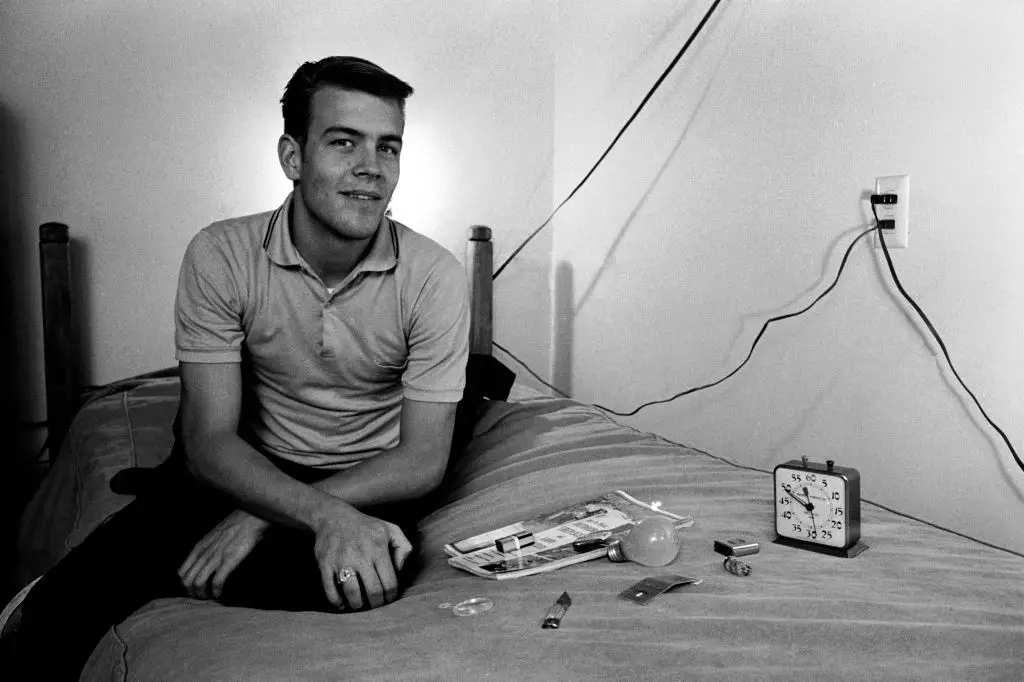
A simple coin flip determined who would actually do the sleepless stretch—and Gardner drew the short straw (or the winning ticket, depending on your perspective).
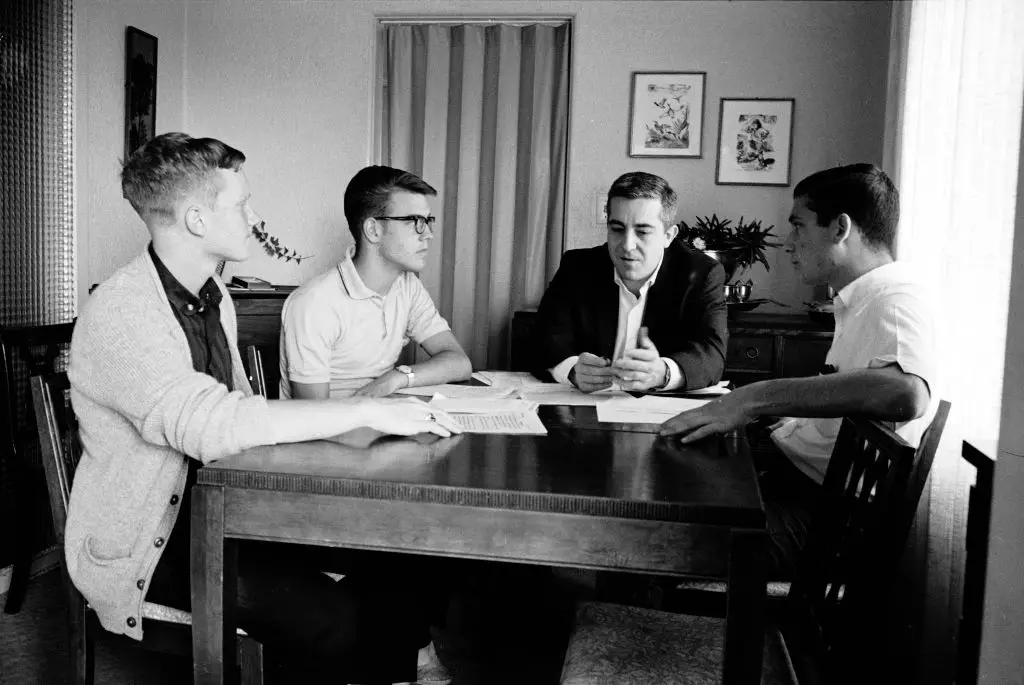
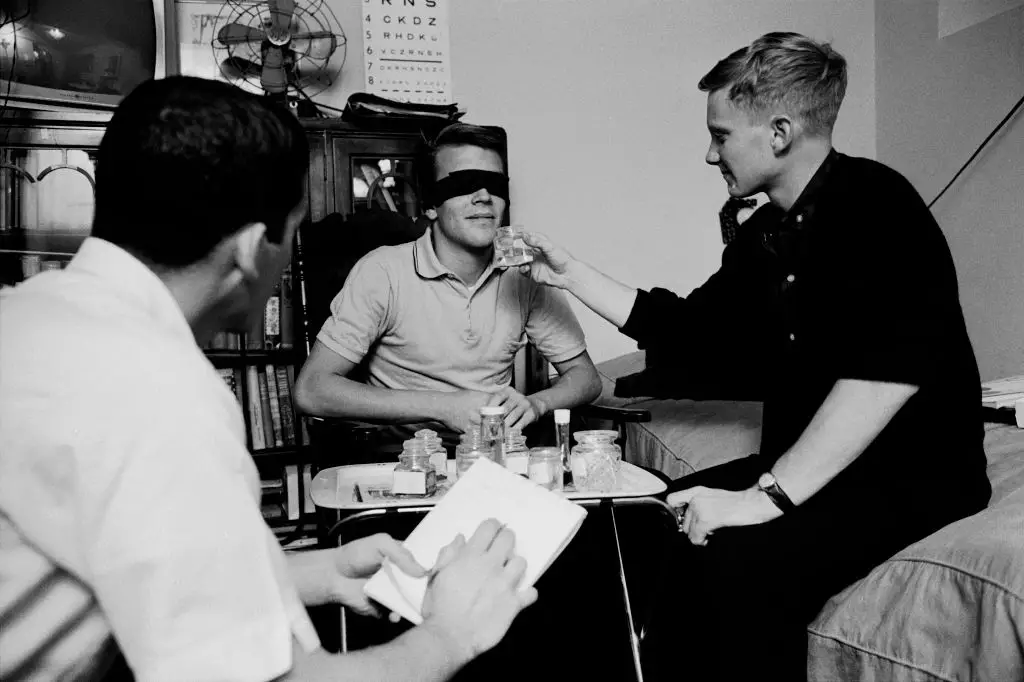
As word spread, prominent Stanford sleep specialist Dr William C. Dement came to San Diego to watch the attempt up close.
During the entire challenge, Randy was also checked and tracked by Lt. Cmdr. John J. Ross.
It’s easy to see why Gardner’s parents were alarmed. “They were very worried that this might be something that would be really harmful to him,” Dr Dement said.
“Because the question was still unresolved on whether or not if you go without sleep long enough you will die.”
Today, the dangers of sleep deprivation are well known, with consequences that can include memory problems, impaired balance, rising blood pressure, and increased risk of heart issues.
Gardner began strongly, especially over the first two days—avoiding beds, staying on his feet, and keeping himself busy—but the strain soon escalated.
By the third day, reports cited by reports said Randy was “really nauseous.”
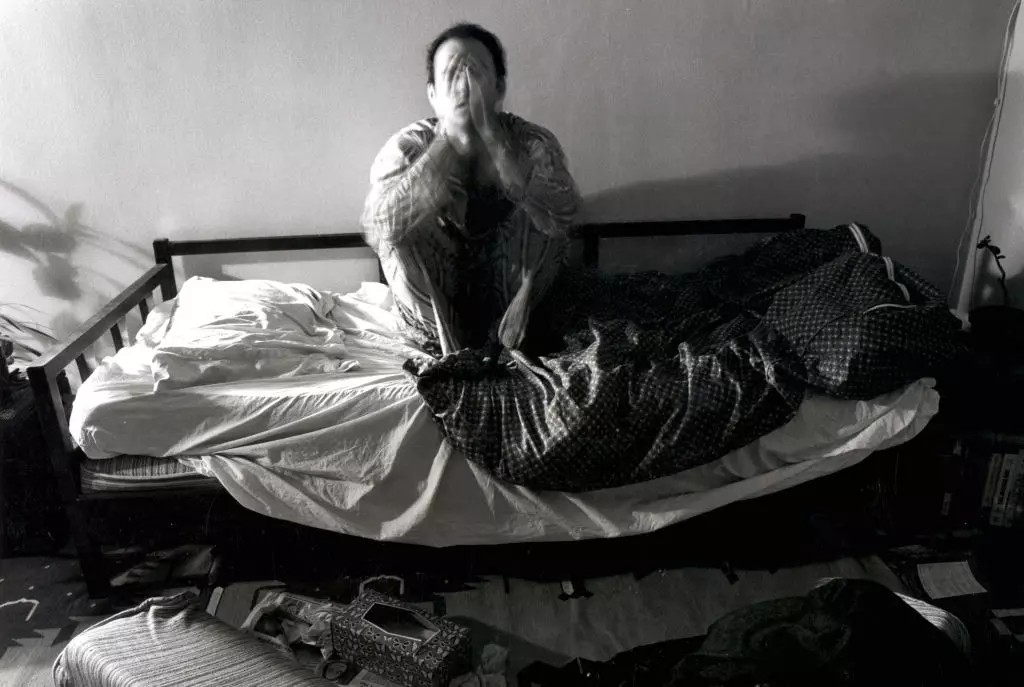
Not long after, the symptoms became more severe: irritability, difficulty focusing, short-term memory problems, paranoia, and eventually hallucinations.
“He was physically very fit, so we could always get him going by playing basketball or going bowling, things like that. If he closed his eyes he would be immediately asleep,” Dr Dement said.
Later brain readings revealed a striking detail—his brain appeared to be finding ways to rest in fragments while he stayed “awake.”
Researchers observed what looked like different regions taking turns powering down briefly. For instance, while he was playing basketball, more analytical areas seemed to “nap,” and during maths tasks, the parts associated with rapid responses appeared to drop off.
At 2am on January 8, 1964, he officially surpassed the record—staying awake for 11 days, a total of 264 hours—earning a new Guinness World Record at the time.
On the last day, Gardner admitted he wasn’t exactly calm, saying he “had a very short fuse” and remembering how he lashed out at reporters who repeated the same questions.
After the attempt ended, he was taken to a nearby naval hospital where doctors connected him to an electroencephalogram to monitor his brain activity.
Despite the ordeal, doctors said he was medically fine.
And then, at last, he slept.
He said: “I slept just over 14 hours. I remember when I woke up, I was groggy, but not any groggier than a normal person.”
Even more surprising, his routine reportedly normalized quickly afterward—he didn’t need huge “catch-up” sleep long-term.
The project also delivered academically: Gardner, McAllister, and Marciano won first prize at the San Diego Science Fair. But the long-term story didn’t end with a trophy.
Years later, Gardner said the experience seemed to catch up with him in a devastating way.
He explained that around 1997, he began struggling to sleep at all—spending five or six hours in bed, drifting off for only about 15 minutes, then waking again.
He described himself as ‘a basket case’.
“I was awful to be around. Everything upset me. It was like a continuation of what I did 50 years ago,” he said.
Gardner framed his insomnia as a kind of karmic consequence of the stunt he pulled off decades earlier. While the precise cause of his later sleep problems isn’t definitively established, his experience remains a stark warning about how risky it can be to treat sleep as optional.
In fact, Guinness World Records later stopped accepting new attempts tied to sleep deprivation, citing safety concerns. The final officially recognized mark reportedly reached 18 days and 21 hours—and it’s not something anyone is advised to chase.