

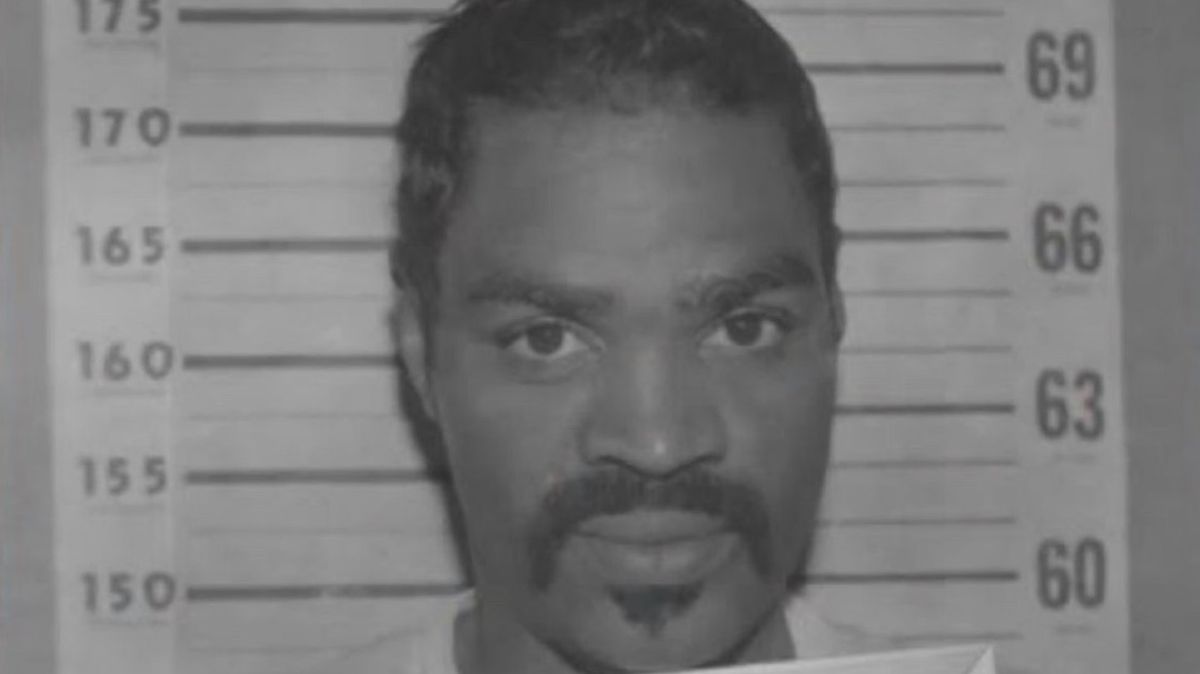
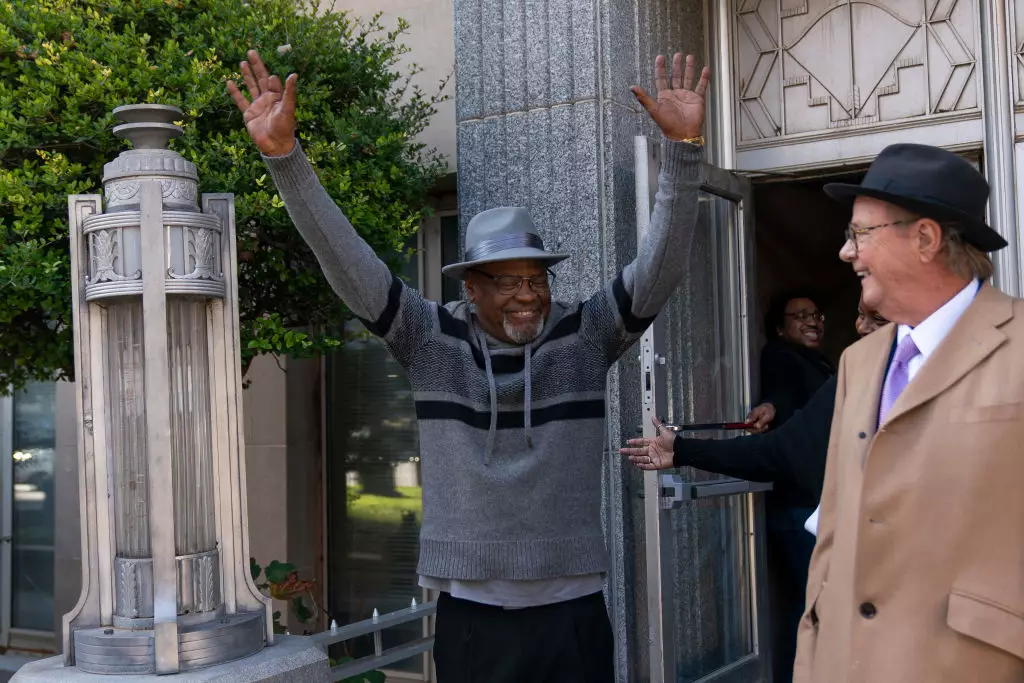
Glynn Simmons walked free in 2023 at age 70 after spending decades behind bars for a killing he did not commit, making him the longest-serving exoneree for a wrongful conviction in US history.
Now 73, Simmons lost 48 years to incarceration — including two years on death row — after being convicted in connection with the 1974 murder of Carolyn Sue Rogers.
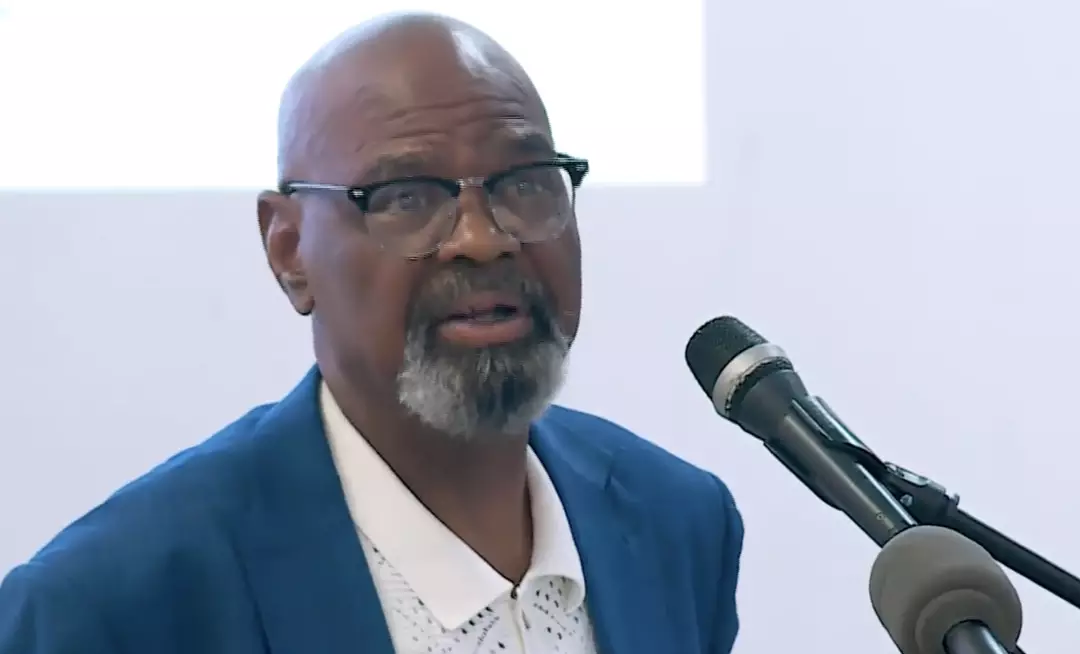
“I don’t call it a miscarriage of justice. It wasn’t a mistake. It was a deliberate act. It was a conscious disregard of justice,” he said, speaking to the BBC a year after he was released. After initially receiving $175,000 from the state upon his release, Simmons pursued further compensation through a civil rights lawsuit and was later awarded a substantially larger amount.
Rogers was killed during an armed robbery at a liquor store in Edmond, Oklahoma, where the 30-year-old was working as a clerk.
She was shot in the head and later died. A customer, 18-year-old Belinda Brown, survived the incident.
Simmons maintained he was not in Oklahoma at the time, saying he was roughly 700 miles away in Harvey, Louisiana, spending the holiday period with family and friends.
That account was supported at trial, which lasted only three days, when six witnesses testified in support of his alibi.
While working the case, investigators were also examining other similar robberies and a separate murder. A man named Leonard Patterson had confessed involvement in some of those crimes.
Patterson had been at a party about a month earlier where Simmons was also present. Police reportedly tracked down a number of people who attended and used lineups during their investigation.
Brown, the surviving victim from the liquor store attack, identified Simmons as the shooter. He was ultimately convicted and sentenced to death.
Subsequent information, however, indicated Brown had previously identified other potential suspects, and that earlier descriptions of the gunman did not align with Simmons. Those discrepancies were not presented to the jury.
Nearly 50 years later, Simmons’ legal team located police documents that had not been turned over to the defense and argued they undermined the reliability of the identification evidence.
When the conviction was vacated, prosecutors also conceded there had never been any physical evidence connecting Simmons to the crime.
Simmons then brought a civil rights lawsuit against the City of Edmond and the estate of Anthony David Garrett, a former Edmond detective. After the initial $175,000 payment in 2023, the Edmond City Council approved a further $7.15 million settlement in 2024 tied to the 48 years he spent wrongfully imprisoned.
According to Loevy and Lovey, Simmons’s lead attorney, Elizabeth Wang, said, “Mr. Simmons spent a tragic amount of time incarcerated for a crime he did not commit. Although he will never get that time back, this settlement with Edmond will allow him to move forward while also continuing to press his claims against the Oklahoma City defendants. We are very much looking forward to holding them accountable at trial in March.”
The case has also been cited in broader discussions about wrongful convictions. The National Registry of Exonerations reports that Black people are about 7.5 times more likely to be wrongly convicted of murder in the US than white people.
“There’s been anger there for almost 50 years – anger, bitterness,” he said.
“But you have to regulate it or it’ll eat you up – what’s been done can’t be undone, so I don’t wallow in it.”