


A man whose cancer symptoms were dismissed by healthcare professionals created AI to help catch deadly diseases sooner.
When it comes to cancer and other life-threatening illnesses, spotting the warning signs early can make all the difference to treatment and recovery.
For Steve Brown, that early clarity didn’t arrive in time. He was eventually diagnosed with a rare blood cancer after months of worsening symptoms and test results that weren’t properly connected.
He said in September 2025: “I felt like the best years were behind me, like everything was sliding downhill. Over a few months I lost 30 pounds, had no appetite, and was wiped out by the smallest effort. My labs kept coming back with ‘abnormal’ tags: anemic, low immunoglobulins, high ferritin.”
Brown was later diagnosed with an aggressive blood cancer linked to multiple myeloma, following an incident at home involving what he described as a ‘steak dinner’.
“I wanted to understand why my earlier doctors had missed it after testing everything under the sun.”
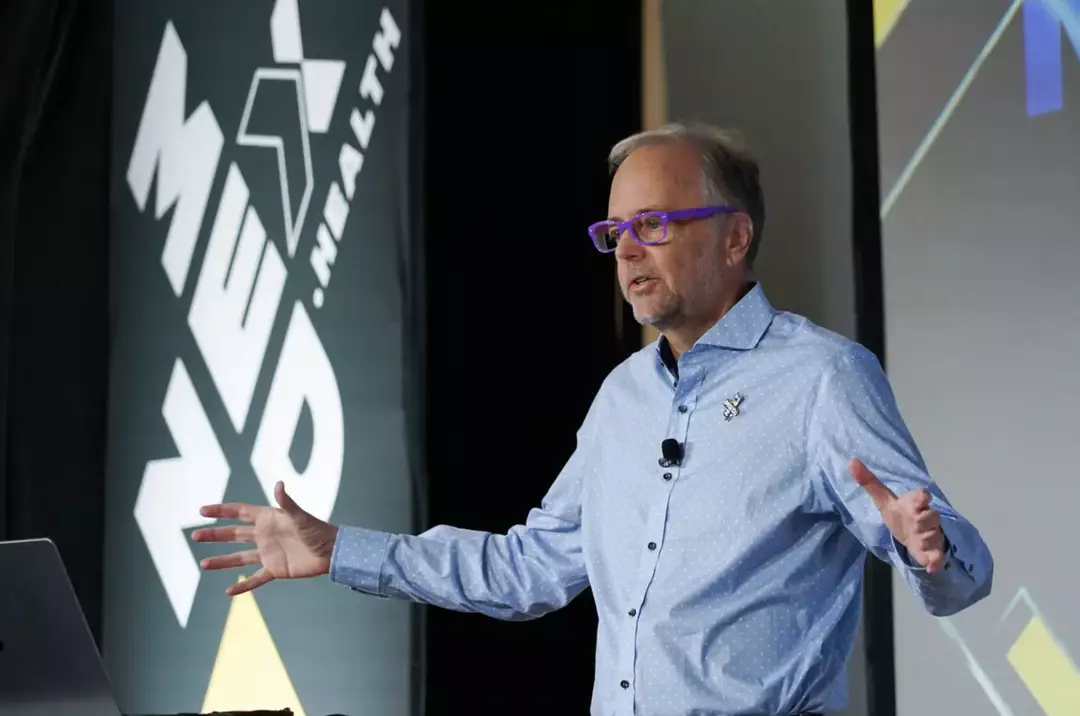
In the aftermath of his diagnosis, the entrepreneur went on to build CureWise, an AI-driven platform designed to help cancer patients feel more informed and better prepared when speaking with clinicians.
Brown has said the technology ‘saved his life’.
He also explored the role of AI in detail in a first-person piece for Strat, describing how he built the system himself and even gave it the name ‘Haley’.
According to Brown, the tool was trained on the ‘exact same data that all those doctors had seen just weeks earlier’—yet it quickly highlighted multiple red flags that had previously been overlooked.
Those signals included ‘mild anemia, elevated ferritin, low immunoglobulins — signs of immune dysfunction and bone marrow issues’.
CureWise is intended to help patients identify useful questions to bring to their next appointment. Brown has also said it can point users toward potential treatment avenues to discuss with their medical team.
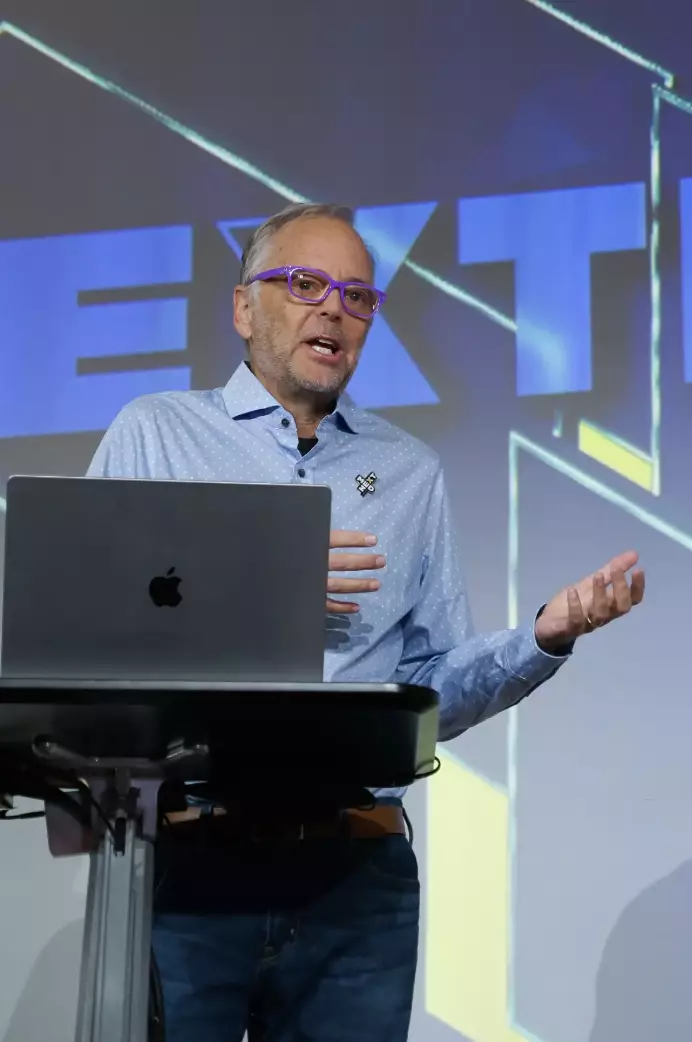
He added: “AI helped me identify the most targeted treatments for my unique cancer, understand the science, find the doctors willing to work at the frontier of medicine, and helped me make the case for the precision medicine that I needed. That is how it saved me.”
Brown now encourages anyone dealing with unresolved health concerns to consider using AI as an additional layer alongside traditional medical support.
“AI has synthesized more medical knowledge than any human could ever absorb, so it can cross-check hundreds of variables in seconds and compare your data to the latest research and trials,” he added.
“You stop being a passenger and start collaborating in your own care, and that shift can save your life.”