

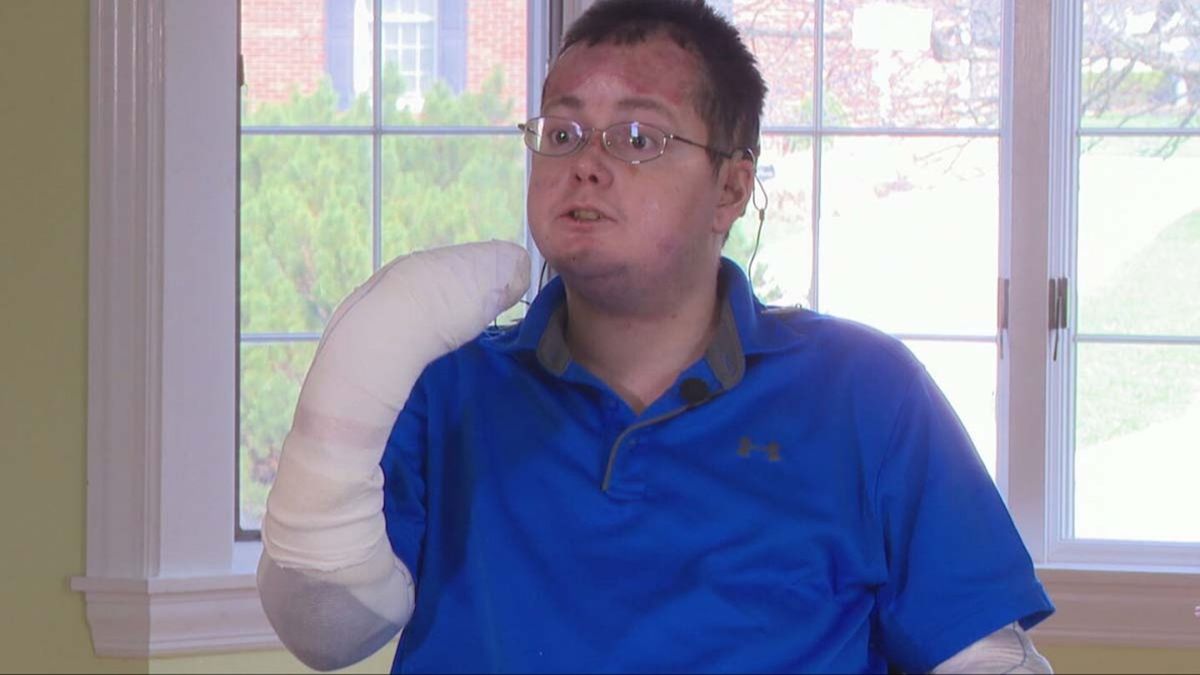
A man living with a rare disorder has spoken out about what day-to-day life is like, as he races to change the law for others with the same condition while his health deteriorates.
Shane DiGiovanna, 27, has spent his entire life managing epidermolysis bullosa (EB), more widely known as ‘Butterfly Syndrome’.
The Cincinnati native was born with a condition that affects an estimated 25,000 to 50,000 people in the US, according to Stanford Medicine. It has also been labelled “the worst disease you’ve never heard of” due to how severely it can damage the body and limit quality of life.
For Shane, the diagnosis has meant constant pain and a deep understanding of what other EB patients endure — including the huge cost of the supplies needed to protect and treat wounds.
Now, with doctors reportedly telling him he may have less than a year to live, Shane is pushing for changes to US policy so that the medical dressings and bandages EB patients rely on can be provided at no cost.
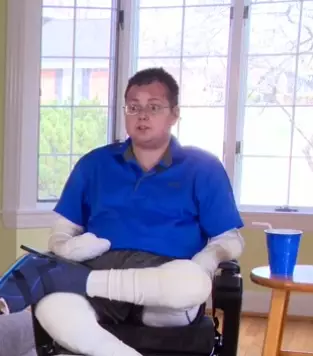
Although many people have never heard of EB, the disorder can cause widespread blistering and painful lesions on the skin.
The “butterfly” comparison comes from how fragile the skin can be — similar to a butterfly’s wings. Because the skin tears so easily, it often has to be carefully wrapped, protected, and kept as clean as possible to reduce the risk of infection.
“This condition is often called the worst disease you’ve never heard of,” Shane told Local 12 WKRC, and explained to People the full impact of his condition.
“I’ve lived my entire life with epidermolysis bullosa … Every day requires intensive wound care just to prevent infection, manage pain, and keep my body functioning. The bandages that make that possible aren’t optional — they’re the difference between life and death.”
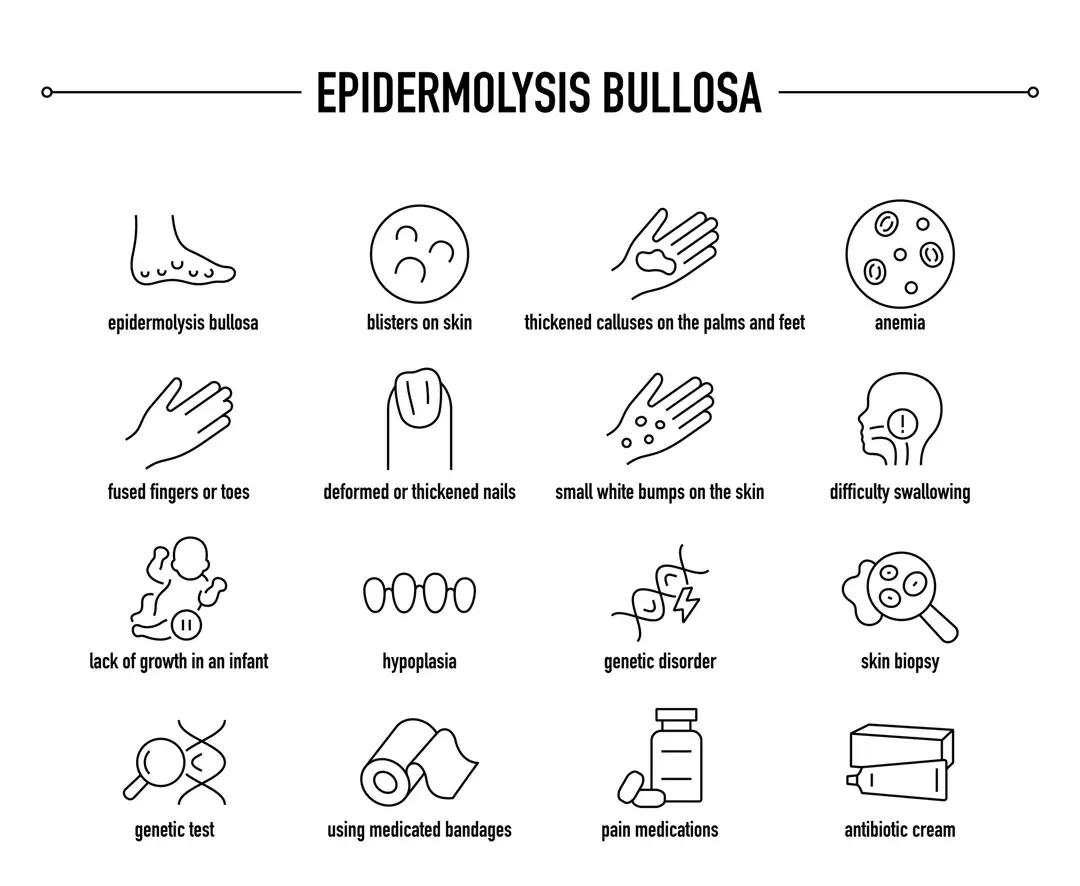
The National Institutes of Health notes that EB can affect far more than the skin, with some patients experiencing missing fingernails, roughened skin, slow growth, weakened tooth enamel, and other complications.
Shane says he was born without skin on his left leg, a consequence of EB interfering with normal skin formation because people with EB may lack key proteins that help bind layers of skin together, according to EB Research.
He has since brought his story to Rep. Greg Landsman, who is expected to introduce a bill aimed at easing the financial pressure on EB families by ensuring bandages are covered through Medicare.
Shane has also described himself as being older than many people with severe EB typically reach. In a Facebook post, he shared that he entered hospice care in September 2025 as complications from EB progressed.
“At 27, I am already old for someone with severe EB,” he wrote, while EB Research reports that life expectancy can range from infancy to around 30 years old, depending on severity.
 Shane added of his struggles: “One of the new challenges has been inflammation effectively attacking my internal organs. Over the past year, my kidney function has steadily declined — and in the past few months, it has dropped off a cliff.”
“The doctors say I have somewhere between three months and a year left to live,” he went on to say, before revealing his mission to help others.
The proposed measure has been referred to as the Shane DiGiovanna Act. Under the plan, the Department of Health and Human Services (HHS) would be required to examine whether covering bandages could reduce hospital visits among EB patients.
“This bill … asks a simple question: What happens if we treat wound care for EB patients not as a luxury, but as essential medical care?” Shane said in a statement to the outlet. “Because we already know the answer. When patients have what they need, they stay out of the hospital. They suffer less. They live longer, fuller lives.”
Per Local 12, Shane said the study is a necessary step before lawmakers can move forward, adding: “But the study is going to show that if you pay for these bandages to be covered, these kids are going to not be hospitalized as often. Their health care costs are going to be lower in the long run than they would be.”