

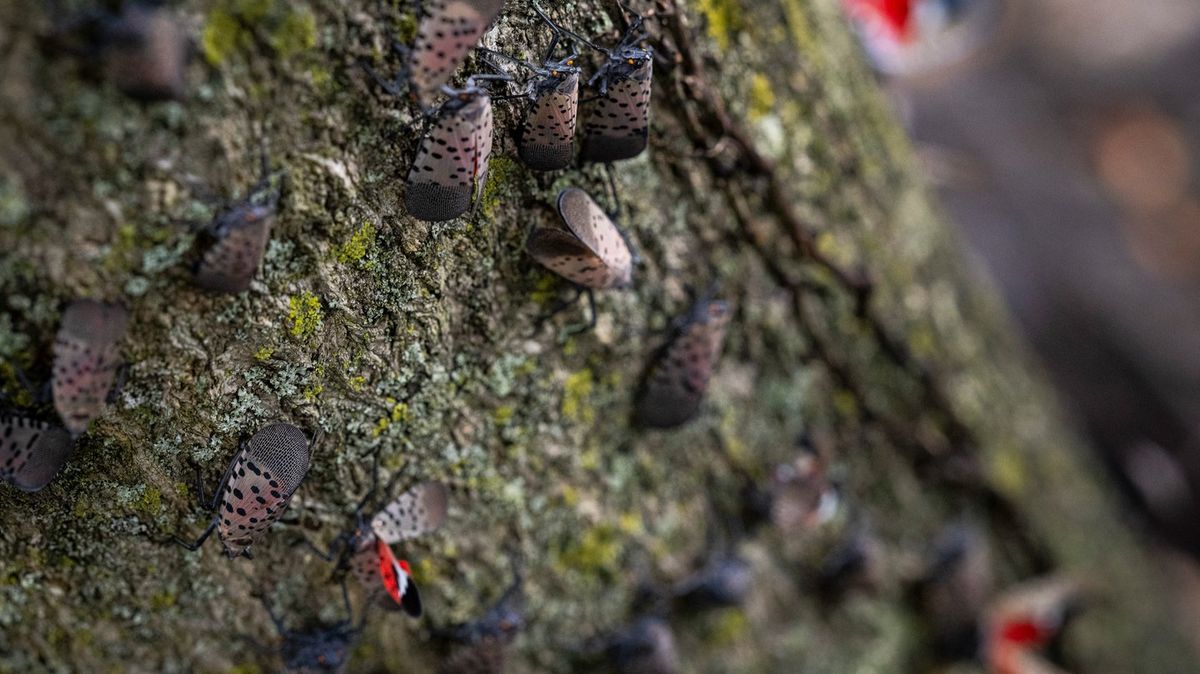
Wildlife specialists are warning that the US could be on the verge of a major surge in an invasive insect from China — and that this summer may become one of the most severe seasons yet.
The pest in question, the spotted lanternfly, is notorious for clustering in huge numbers on trees, cars, and sidewalks. It spreads easily by hitching rides on vehicles and other equipment, and it harms plants by feeding on sap.
As it feeds, it leaves behind a sugary substance called honeydew. That residue can attract mold growth, creating additional problems for plants and the surfaces beneath infested trees.
Over time, repeated feeding stress can lead to weakened vegetation and, in some cases, plant death.
The National Invasive Species Information Center have branded them as ‘a serious economic threat to multiple U.S. Industries, including viticulture, fruit trees, ornamentals and timber.’
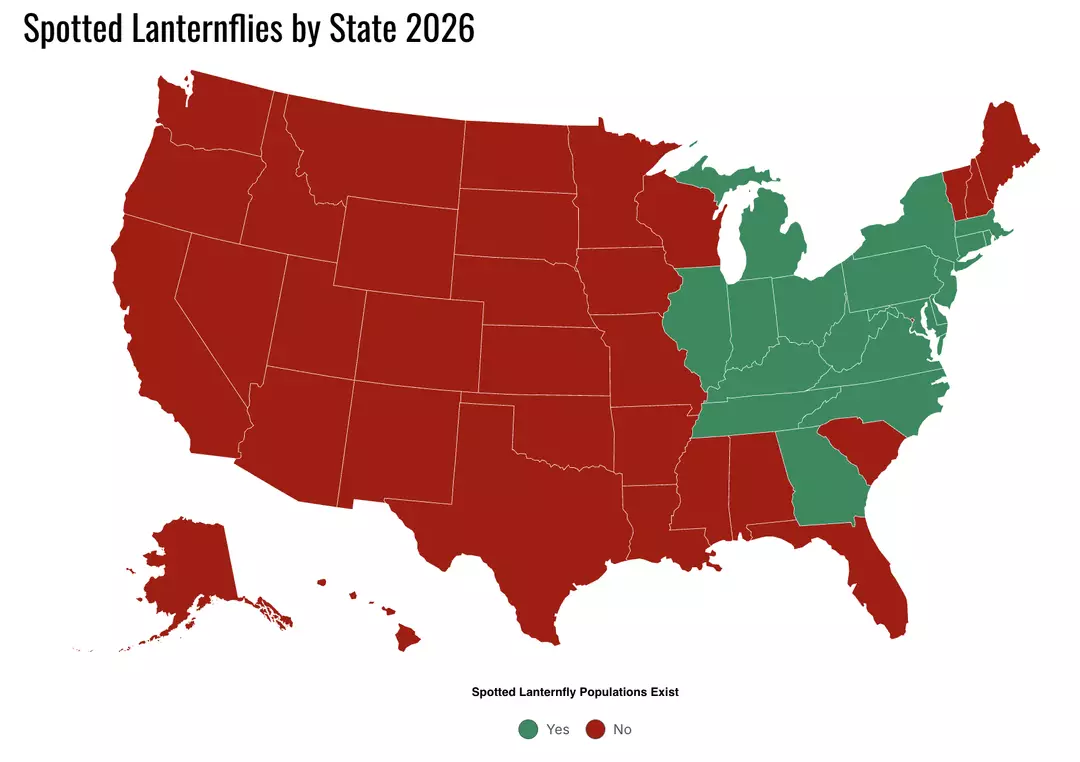
First detected in Pennsylvania in 2014, the spotted lanternfly has since been documented across a growing list of states, including Connecticut, Delaware, Indiana, Maryland, Massachusetts, Michigan, New Jersey, New York, North Carolina, Ohio, Rhode Island, Virginia, and West Virginia.
Scientists believe the insect was unintentionally brought to the US from Asia — most likely through shipments of imported goods from China. One leading theory is that egg masses arrived attached to stone, wood, or similar cargo.
Now, experts say populations could balloon dramatically, with some forecasts suggesting numbers could climb into the millions.
The insect appears well-adapted to many American environments and feeds on a wide range of common trees and crops, including walnut, maple, apple, peach, and cherry. Grape vines are considered one of its preferred targets.
In New York, officials have indicated that winter conditions may not have been harsh enough to curb the next wave, increasing the likelihood of another strong rebound this year.
Jola Szubielzki, director of public information at the Department of Agriculture, said: “We do know that winter temperatures downstate were not cold enough for long enough to kill off eggs that overwintered.”
Speaking to the outlet, Kristen Winchell, an assistant professor of biology at New York University, added: “Cities tend to have milder winters, creating favorable conditions for species that otherwise would only be able to live in warmer climates.”
The USAD has warned that the invasive species is capable of causing at least $550 million in damages to crops and trees.

In an average year, spotted lanternflies begin hatching in spring — typically between April and May.
Timing can vary with local weather patterns, and in some places hatching can be delayed until June.
In 2024, the US Department of Agriculture issued a bulletin asking for residents to: “Look for spotted lanternfly and spongy moth egg masses on vehicles, trees, and other outdoor surfaces during the winter and early spring.
“If you find them, USDA’s Animal and Plant Health Inspection Service (APHIS) recommends smashing and scraping the invasive egg masses off into a plastic bag, sealing it, and disposing of them in the municipal trash.
“Pressure washing is also an effective way of removing egg masses from hard, outdoor surfaces.”
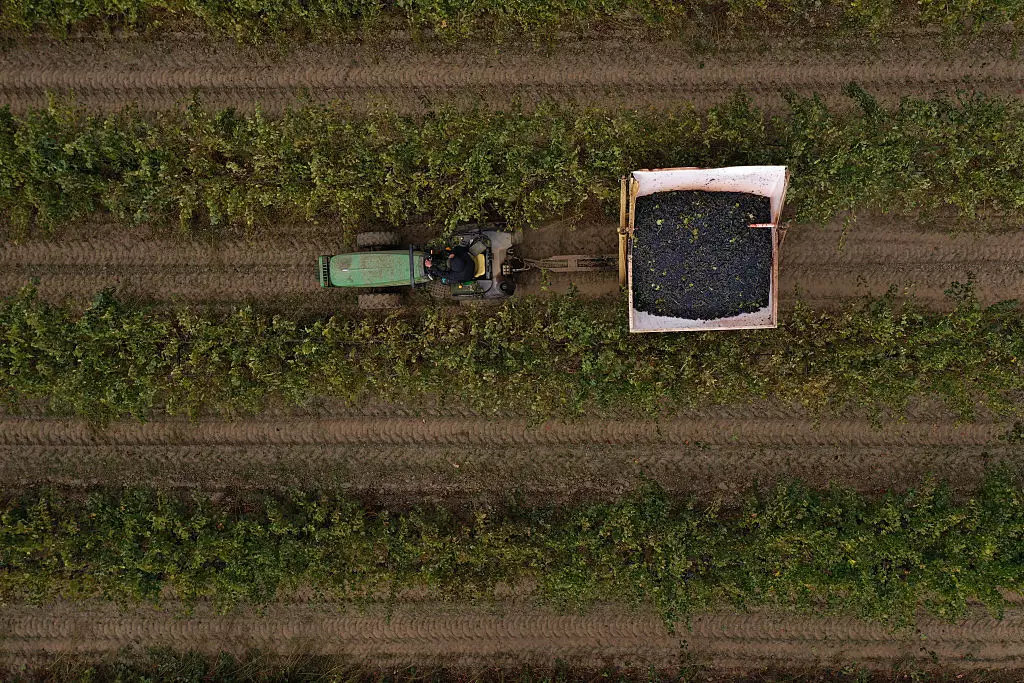
Beyond the East Coast, there are growing worries about what widespread establishment could mean for the West Coast’s multi-billion-dollar fruit economy — particularly in regions tied closely to wine production.
In the study published in Communications Biology, researchers used a computer simulation tool to predict the timing of the spread of the spotted lanternfly, Lycorma delicatula, across the United States if efforts to control its spread are stopped.
The model suggested a high likelihood of spread into North Carolina by 2027, and also indicated the insect could reach California’s grape-producing counties within that same year.