

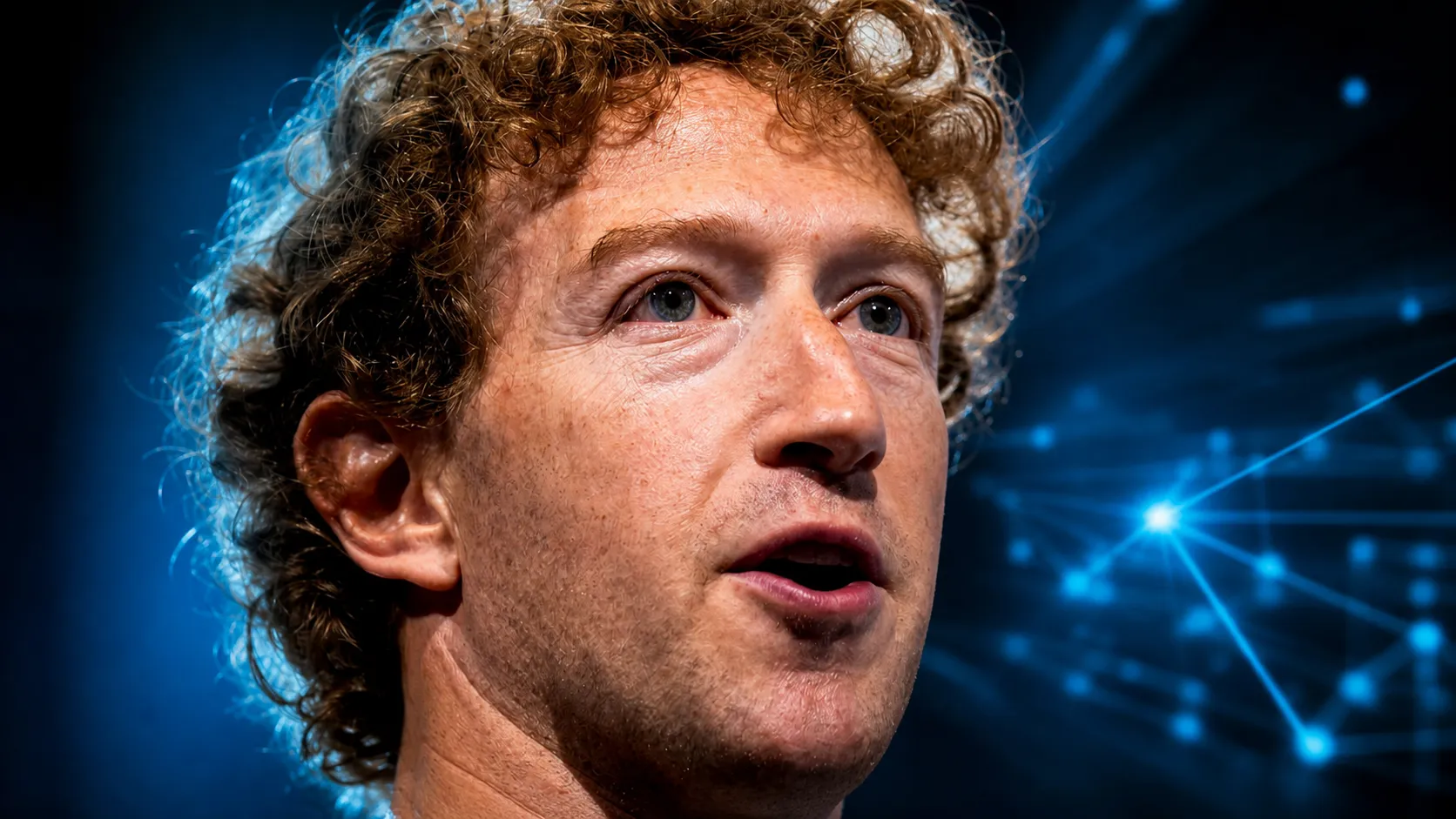
Mark Zuckerberg has weighed in on the debate over which jobs AI could replace, after Bill Gates suggested that only a small number of professions are truly protected.
Two of tech’s biggest names appear to have very different expectations for how artificial intelligence will shape the future of work.
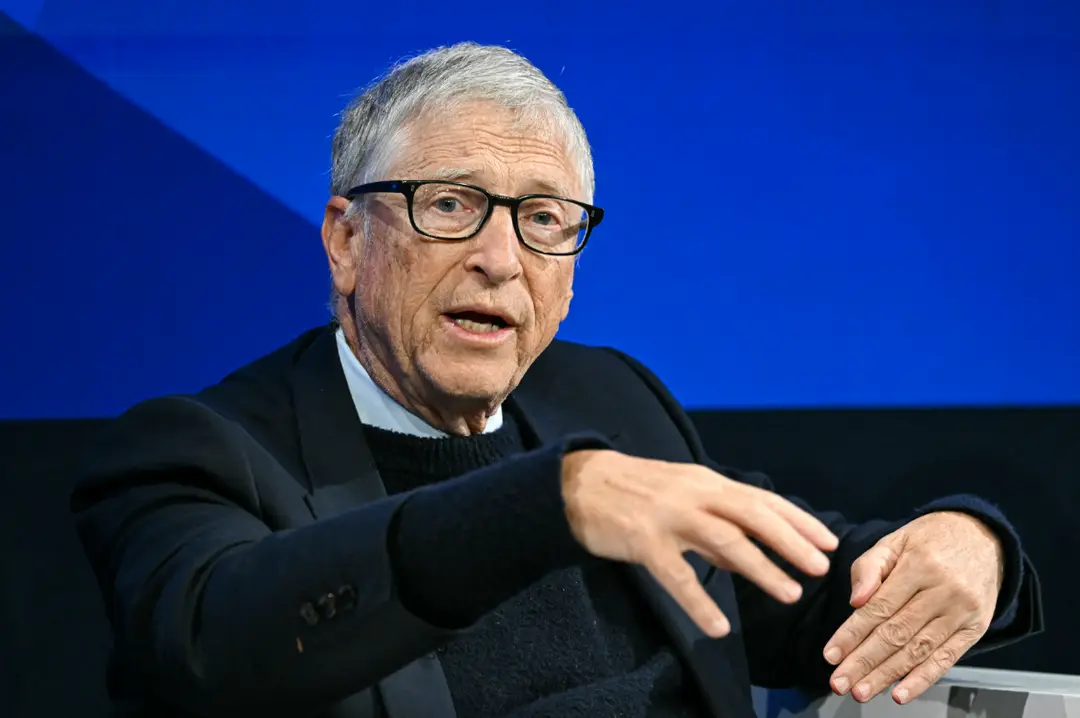
Gates has recently shared his views on the roles he believes will remain secure as AI continues to advance.
According to the Microsoft co-founder, coders, energy specialists, biologists, and athletes are among the few workers whose positions are unlikely to be taken over.
That leaves a lot of other industries looking far less certain.
Meta CEO Zuckerberg, however, is not convinced that AI is set to trigger a huge wave of job losses, even as his company continues to pour money into AI infrastructure and reorganize teams around the technology.
Since May, Meta has been reducing parts of its workforce as part of a wider push for efficiency, while also ramping up spending on artificial intelligence projects. The company cut about 8,000 jobs in 2026 as part of that effort and has also said it is prioritizing AI development across the business.
One of the company’s biggest priorities has been Meta AI.
Despite those layoffs, Zuckerberg said during a live June 26 interview with Idea Generation that fears of widespread unemployment caused by AI are overblown.
In his view, the technology could actually help expand what people are able to do rather than simply replace them.
He rejected the idea that mass displacement is unavoidable, saying: “I think that people assume that that’s inevitability. I don’t actually think it is.”
His argument centers on what he calls ‘personal super intelligence’ — AI tools designed to support people in their work instead of taking over the entire task.
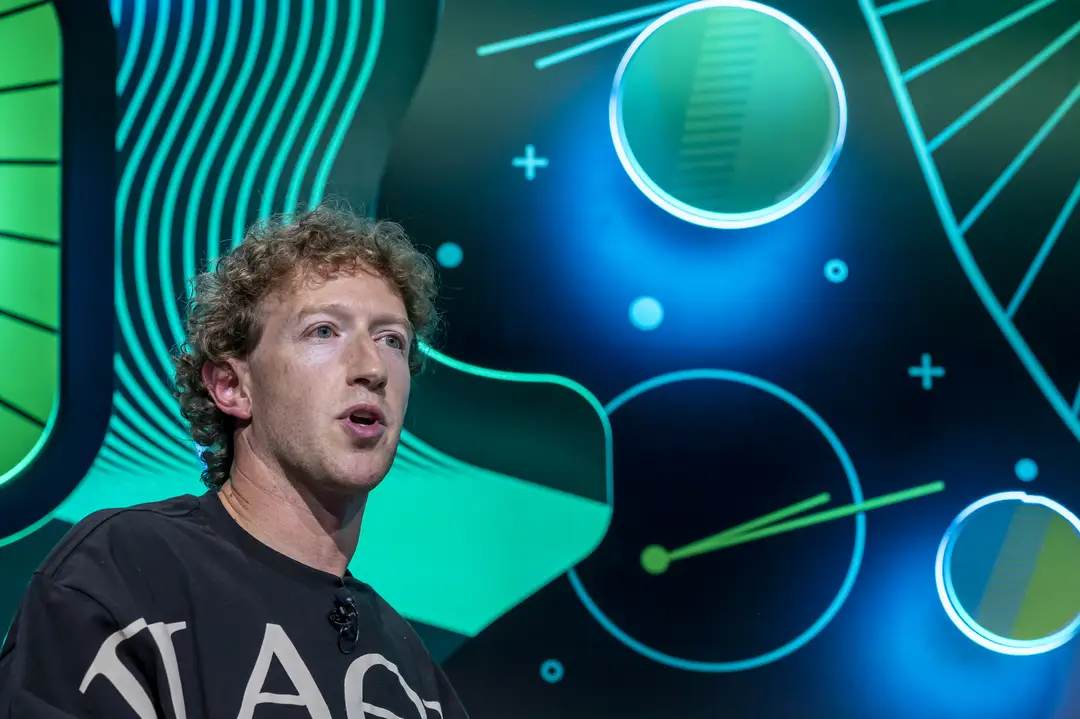
Expanding on that point, Zuckerberg said: “If you have a balance where some companies are focused on making it so that companies can work more efficiently, but others are focused on more of this personal super intelligence vision where you’re like empowering individuals and making people more productive at each step along the way, then I think it’s probably going to be pretty good,” he said.
Zuckerberg has been publicly leaning into that vision for some time. In July 2025, he outlined Meta’s “personal superintelligence” approach in a company statement, arguing that AI should be aimed at empowering individuals rather than centrally automating every valuable job.
So who has the better read on the future — Zuckerberg or Gates?
At this stage, there is no clear answer, though Gates has made a few tech predictions in the past that did not quite play out.
He once said spam email would largely disappear within a couple of years, yet inbox junk folders are still overflowing.
He also predicted that traditional passwords would fade away completely, replaced by biometric systems.
Another forecast saw him backing digital tablets as the dominant form of computing, which never fully happened.
For now, the real impact of AI on jobs remains something the world will have to watch unfold.