


Martha Stewart has gone public about the estrogen regimen she has followed since her early forties.
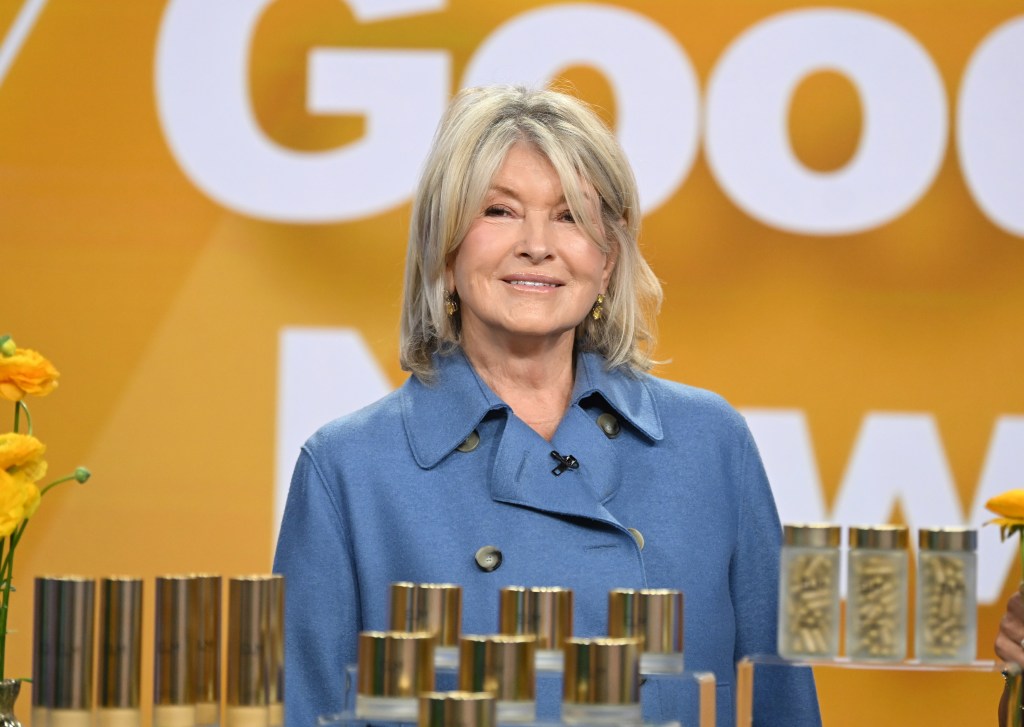
The lifestyle entrepreneur, 85, disclosed at a September event for her skincare brand Elm Biosciences that she has taken supplemental estrogen for more than four decades and believes it has preserved her physical resilience. “I’ve been on estrogen since I was like 42 years old, I think,” she said at the gathering, per the outlet.
Stewart framed her decision to stay on the hormone as a quiet act of defiance against shifting medical opinion. “Other doctors were saying, ‘Oh no, it causes cancer’ and all that other stuff,” she continued. “I’ve been on it, and I think that has helped me keep my strong bones and a strong body.”
Her remarks arrive as hormone replacement therapy undergoes a broad rehabilitation in the medical establishment. The treatment, which eases menopause symptoms including hot flashes, night sweats and vaginal discomfort, also helps protect against bone loss and fractures by reducing osteoporosis risk. For years, however, it carried a heavy stigma.
That stigma crystallized in 2002, when a major study suggested HRT could increase risks of serious health problems including breast cancer in postmenopausal women. The following year, the FDA imposed a “black box warning” on many estrogen pills, patches, injections and creams, flagging elevated dangers of cardiovascular disease, dementia and certain cancers. HRT use plummeted afterward.
The scientific picture has since grown more nuanced. “In the decades since, we’ve reexamined the data and found that, yes, a high risk of developing breast cancer does exist for some people who use menopause hormone therapy (MHT), but not for all,” Dr. Nora Lansen, a board- and Menopause Society-certified family physician who serves as chief medical officer at Elektra, previously told The Post. Lansen noted that the associated breast cancer risk is actually low, adding, “With a better understanding of the research, we’ve begun to realize that MHT is a safe and effective treatment for a broader range of patients than we had previously thought.”
Other research has found that women who began HRT during perimenopause experienced 60 percent lower rates of breast cancer, along with fewer heart attacks and strokes.
The regulatory landscape has shifted in turn. Last year, the FDA announced it would remove what it called “misleading FDA warnings on hormone replacement therapy.” Health and Human Services Secretary Robert F. Kennedy Jr. Declared at the time, “For more than two decades, bad science and bureaucratic inertia have resulted in women and physicians having an incomplete view of HRT. We are returning to evidence-based medicine and giving women control over their health again.”
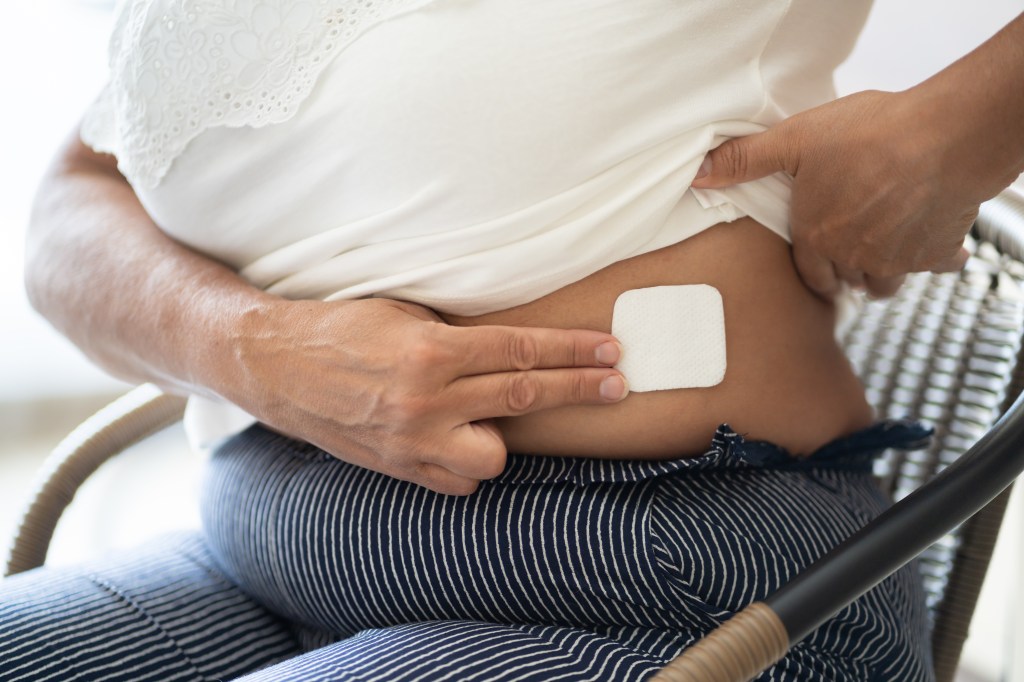
Yet as interest rebounds, supply has crumbled. Stewart herself has been caught in the shortage. “You can’t get your Dotti now,” she lamented at the Elm Biosciences event, referring to a transdermal estrogen patch applied twice weekly. Pharmacies across the country have reported depleted stocks of Dotti and similar treatments since earlier this year.
The scarcity has rippled outward. “You can’t get estrogen, you can’t get progesterone, you can’t get any of those things now,” Stewart said. “My drugstore doesn’t have any. I had to go to another place for it.”
Women on social platforms have documented their own coping strategies. “Facebook saved me when someone offered their prescription-strength that didn’t work out for them for free! Three month supply,” one user raved on TikTok, per The Post’s Karen Fischer. On Reddit, another woman wrote that she had built a stockpile by stretching the interval between patch changes. Some have contemplated more drastic measures: “I’ve decided that if my medications become completely unavailable to me and online pharmacies don’t work, I’m going to start taking annual trips to Mexico,” one Redditor wrote.
Stewart’s disclosure caps a long public life that has lately included viral social media moments and a skincare venture, all while she has maintained the domestic authority that made her a household name decades ago. The Elm Biosciences event, where she spoke about her decades of estrogen use, was held last September.
The shortages of HRT products including Dotti patches have persisted since earlier this year, leaving patients to navigate an increasingly difficult marketplace for a treatment that medical opinion has only recently embraced again.
Stewart is scheduled to appear at the Food Network New York City Wine & Food Festival this fall.