

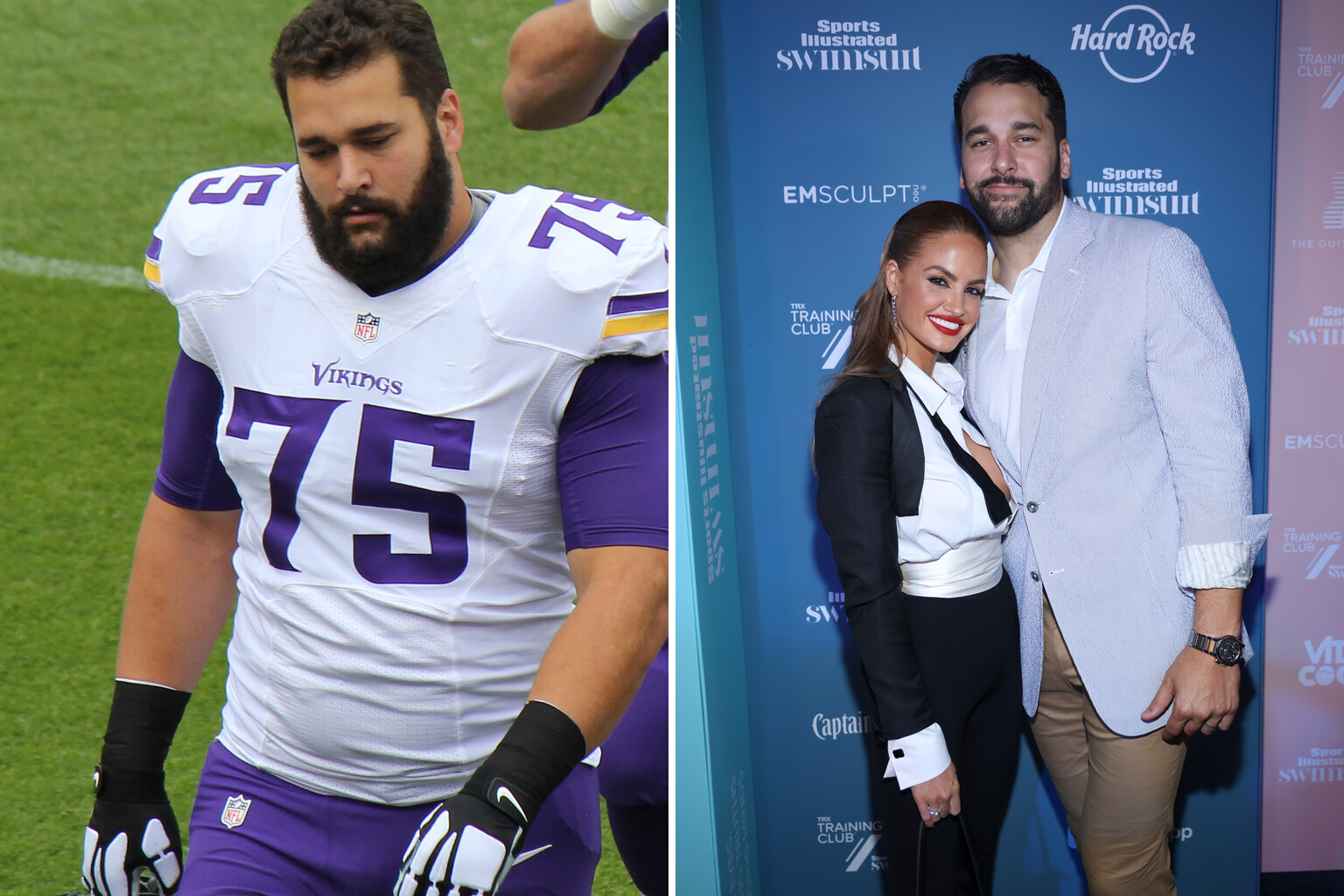
Matt Kalil is appealing after a judge tossed his lawsuit against ex-wife Haley Baylee.
Kalil, 35, the former Minnesota Vikings offensive tackle, saw his defamation case dismissed Thursday when a Los Angeles judge ruled Baylee’s remarks were protected speech about her own life, marriage and divorce — matters the court deemed of legitimate public concern. The ruling came in the increasingly bitter legal battle between the retired NFL lineman and the influencer, 31, who has built a massive following online since their split.
“We are not going to comment at this time other than to say we intend to appeal this decision,” Kalil’s attorney, Ryan Saba of Rosen Saba LLP, said.
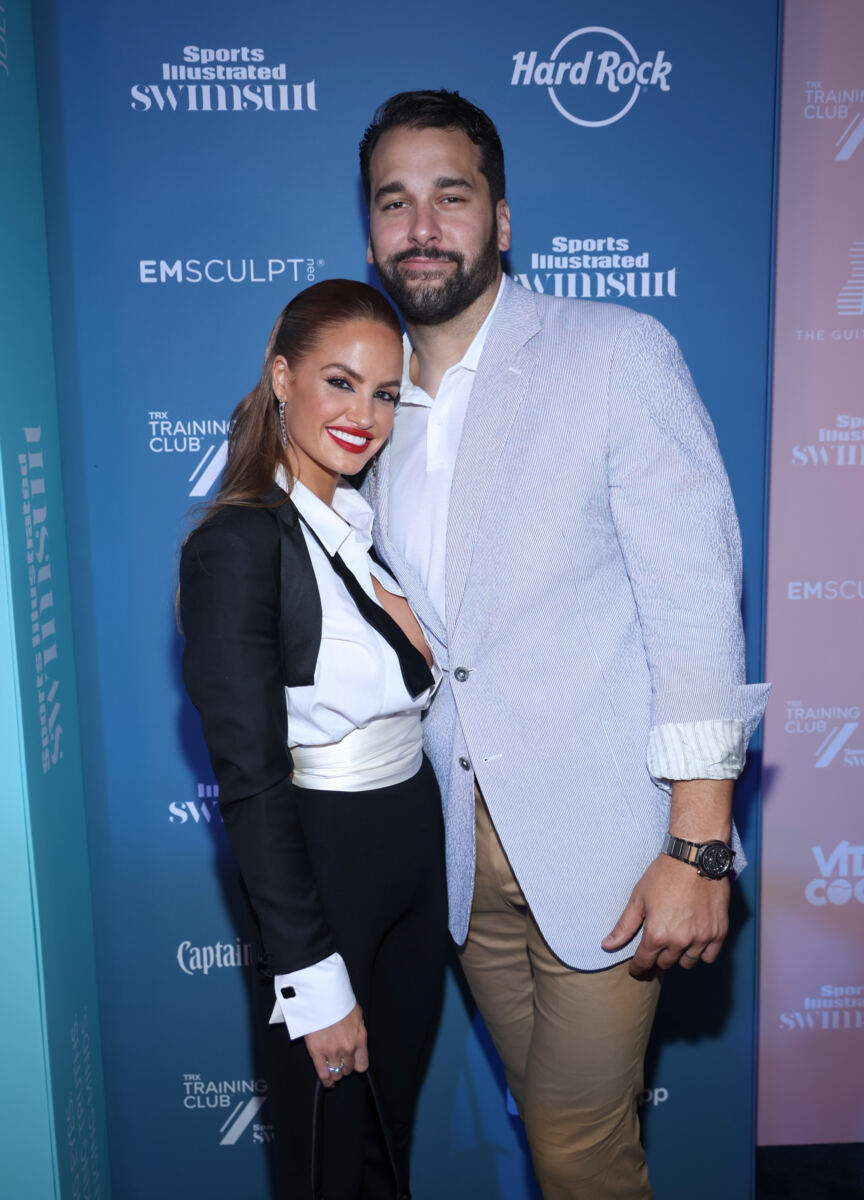
Baylee, who also goes by Haley Kalil professionally, first made the inflammatory comments during a 2025 Twitch appearance with streamer Marlon. On the livestream, she claimed that Kalil’s penis size was “the biggest factor” in the couple’s divorce. The remarks quickly circulated across social media platforms, amplifying what had already been a public breakup between the former athlete and the social media personality.
The case has drawn significant attention for its intersection of celebrity, social media culture and the legal boundaries around personal disclosures. Baylee has maintained that her statements were truthful, a defense that carried weight with the court given the First Amendment protections afforded to speech about matters of public concern — particularly when that speech involves a person’s own lived experience.
Legal experts following the case have noted that the judge’s ruling hinges on a critical distinction in defamation law: speech about oneself, even when it implicates others, receives substantial constitutional protection. The court found that Baylee was speaking about her own marriage and its dissolution rather than making false factual claims intended to damage Kalil’s reputation.
Baylee has not publicly commented on Thursday’s ruling. Her social media accounts, where she regularly engages with millions of followers across TikTok and Instagram, remained active with typical content in the hours after the decision.

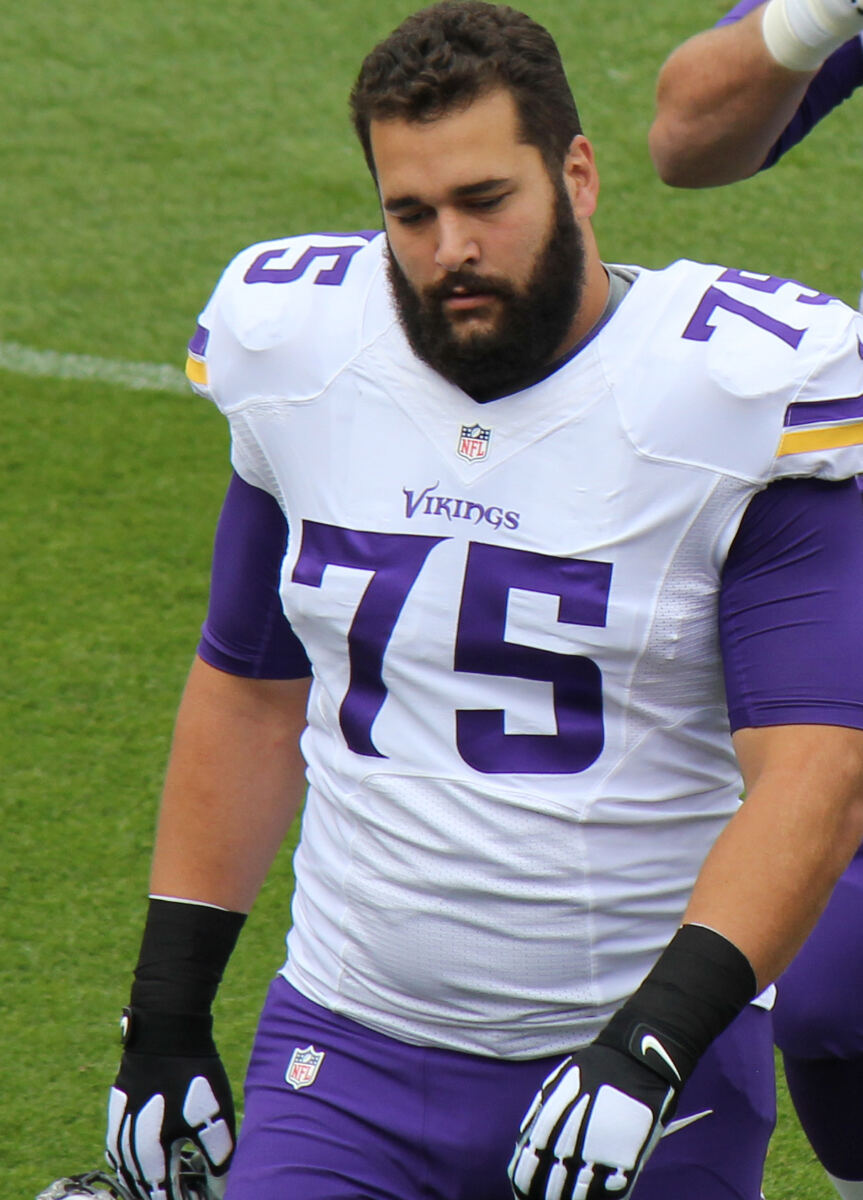
The Kalils married in 2015, during Matt’s playing career with the Vikings, and their relationship played out partially in public as Baylee’s online presence grew. Matt Kalil, the fourth overall pick in the 2012 NFL Draft, played six seasons in the league with Minnesota and Carolina before injuries curtailed his career. His brother Ryan Kalil also had a lengthy NFL career as a Pro Bowl center.
The Twitch stream where Baylee made her comments came amid a broader trend of influencers sharing intimate details of their lives for content, a practice that has increasingly collided with legal consequences when the subjects of those disclosures push back. Marlon, the streamer who hosted the appearance, has not been named in the litigation.
Saba’s statement on behalf of Kalil was measured, offering no additional critique of the ruling beyond the intention to continue fighting through appellate channels. The attorney has otherwise declined to elaborate on what arguments the defense plans to advance on appeal or whether new evidence might be introduced.
Baylee’s legal team has previously argued that the lawsuit itself represented an attempt to silence her legitimate speech about her own experiences. The influencer has framed her comments as part of a broader conversation about relationships and personal autonomy, though that framing has drawn mixed reactions from audiences online.
The dismissal does not resolve the underlying tensions between the former couple, whose split has now generated years of public back-and-forth across multiple platforms. Kalil’s decision to appeal suggests he remains committed to challenging Baylee’s account through legal means rather than settling the matter privately.
For Baylee, the ruling represents a temporary victory in a case that has shadowed her rising profile as a model and digital creator. She has continued to post regularly throughout the litigation, treating the lawsuit as background noise to her primary business of sponsored content and brand partnerships.
The appellate process in California typically moves slowly, meaning the case could linger for months or longer before any final resolution. Kalil’s team will need to identify specific legal errors in the trial court’s reasoning to succeed at the next level, a standard that often proves difficult to meet in First Amendment cases involving public figures and matters of public concern.
Neither party has indicated any interest in settlement discussions at this stage.