

McDonald’s is betting $8.5 billion that artificial intelligence and a leaner menu can reverse its worst U.S. Sales slump in over a year.
The fast-food chain, 69, unveiled its “McDonald’s > NEXT” growth plan this week, committing to modernize thousands of restaurants through 2036 after an August earnings call revealed declining domestic customer traffic. The sweeping investment targets everything from drive-thru voice bots to revived PlayPlaces, with executives framing the overhaul as a direct response to shifting American eating habits fueled by the explosive popularity of GLP-1 weight-loss drugs.
Skye Anderson, president of McDonald’s USA, zeroed in on the Ozempic-era consumer during an investor presentation, noting that roughly 30 million Americans are actively taking GLP-1 medications and hunting for smaller, protein-forward meals.
“This is an opportunity,” Anderson stated. “We need to keep giving them more reasons to make McDonald’s their first choice.”
That opportunity translates to grilled chicken’s return to U.S. Menus for the first time since 2020, when the chain nixed the protein entirely. New sandwiches and wraps will anchor the relaunch, part of a broader culinary pivot toward what company leadership sees as a permanent dietary shift among millions of customers.
Behind the counter, the modernization push leans heavily on proprietary technology. The chain is actively deploying “Archy,” its own AI voice-ordering engine built to take live drive-thru orders in both English and Spanish, with executives anticipating most U.S. Stores will have the system by the end of 2027. A separate Google-engineered platform called ArchIQ will automate inventory logistics, team scheduling, and kitchen workflow.
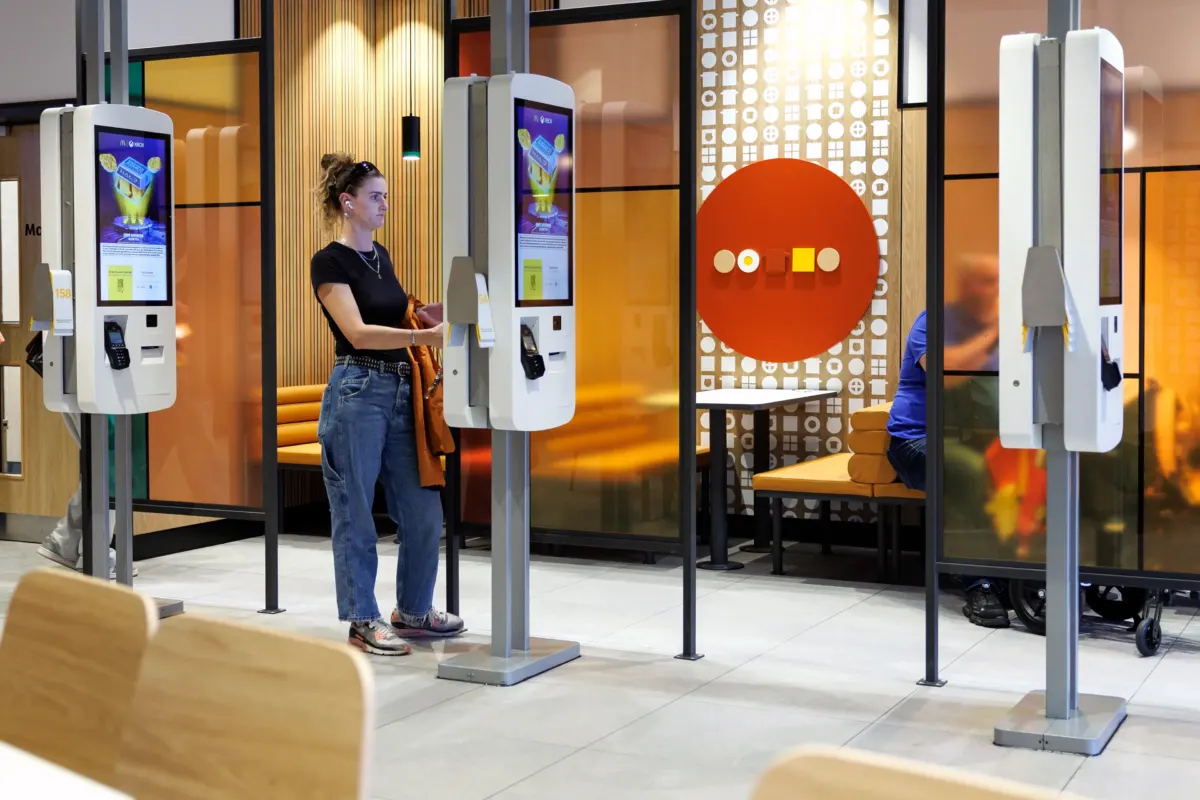
Physical spaces are getting their own high-tech facelift. Remodeled locations will increasingly include dedicated McDelivery collection lockers to streamline handoffs for app users and third-party couriers, while family-oriented restaurants will see refreshed and expanded PlayPlaces. The indoor playgrounds, a signature brand feature that languished during pandemic-era closures, are being positioned as a revived draw for parents.
A McDonald’s spokesperson outlined the customer-facing vision in a statement this week. “Customers will see a more appealing, modern restaurant experience, including upgraded PlayPlaces, improved dining rooms, more open kitchens with visible McCafé beverage preparation, delivery lockers and improved drive-thru operations,” the spokesperson said. “The exact changes and timing will vary by restaurant and market.”
The beverage program is getting parallel upgrades. McCafé is expanding into refreshers, energy drinks, and specialty crafted sodas across more than 18,000 locations, backed by modernized espresso hardware that supports dairy-alternative milks. The visible preparation areas are meant to turn drink-making into a kind of theater, with open kitchen designs putting baristas on display.
Loyalty mechanics round out the strategy. The chain is relaunching its MyMcDonald’s Rewards program with a new tiered structure, offering accelerated point multipliers and exclusive event invitations to high-frequency visitors while deploying personalized return incentives to lapsed diners. Staff will also undergo retraining on hospitality standards as part of the broader experience push.
The $8.5 billion commitment represents one of the largest capital deployments in McDonald’s recent history, with franchisees positioned as the primary beneficiaries of the funding stream. The timeline stretches more than a decade, suggesting executives view the current sales softness as a long-term structural challenge rather than a temporary post-pandemic hangover.
McDonald’s plans to begin rolling out the first wave of remodels and technology installations in select markets before expanding nationally.