

During Donald Trump’s time in office, relations between the U.S. And Mexico have arguably sunk to their lowest point in years.
Whether it’s talk of border walls, proposals to rename the Gulf of Mexico, the threat of tariffs, or hardline immigration measures, the atmosphere between the neighboring countries has grown increasingly strained.
In 2024, around 72.4 million international travelers visited the United States, though that figure dipped slightly in 2025 as political friction intensified.
Mexico, meanwhile, remains a major draw for American visitors looking for beaches, food, and especially thriving nightlife, with a long list of popular clubs and late-night venues.
But this week, some tourists may have discovered that local frustration is starting to show up in unexpected places.
A venue called Japan, located in the Roma Norte area, drew attention after posting on Instagram that American tourists could be charged 21 times more than locals for entry.
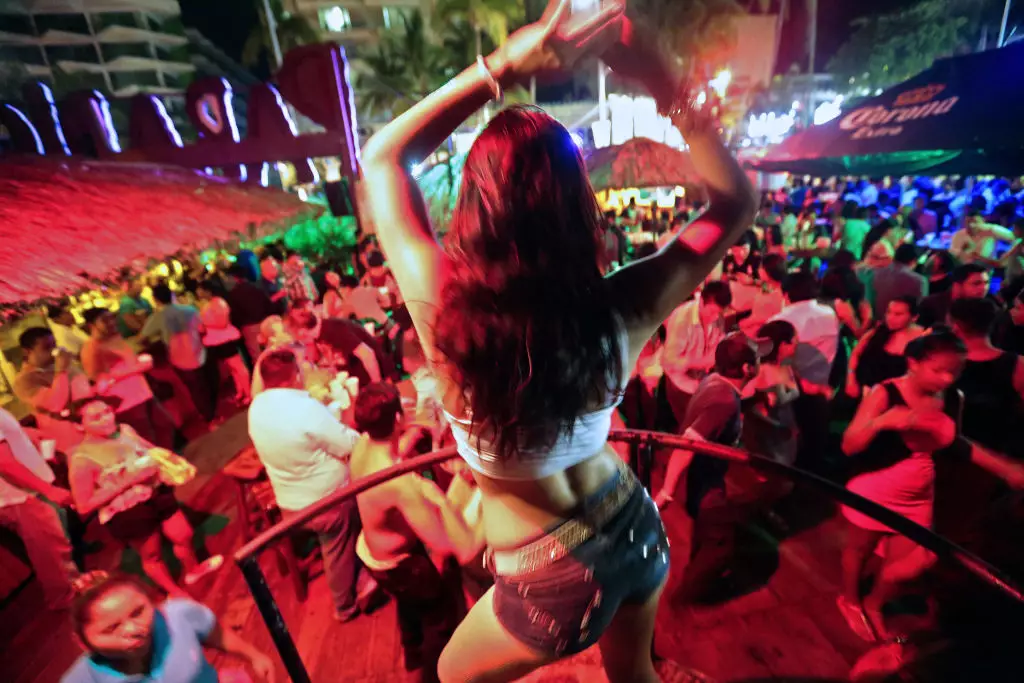
The post collected roughly 26,000 likes and more than 200 comments, with many people backing the approach.
It said: “It’s not that ‘we charge gringos more’ it’s that we offer discounts to people that need it.
“The cover charge is $5,000 [pesos]. Citizens of the USA don’t get a discount.”
Under the same policy, visitors from other parts of the world would reportedly receive a 93 percent discount. Mexicans and Latin Americans would get 95 percent off, while students and teachers would receive 97 percent off—bringing their entry cost down to 150 pesos.
In an interview, the club’s owner Federico Crespo said the pricing decision was tied to the tone of Mexico-U.S. Relations during Trump’s presidency.
He said: “This is a response to a year of insults directed at us, as a country, by the United States
“It’s very much a response to the many attacks against Mexico from Trump.”
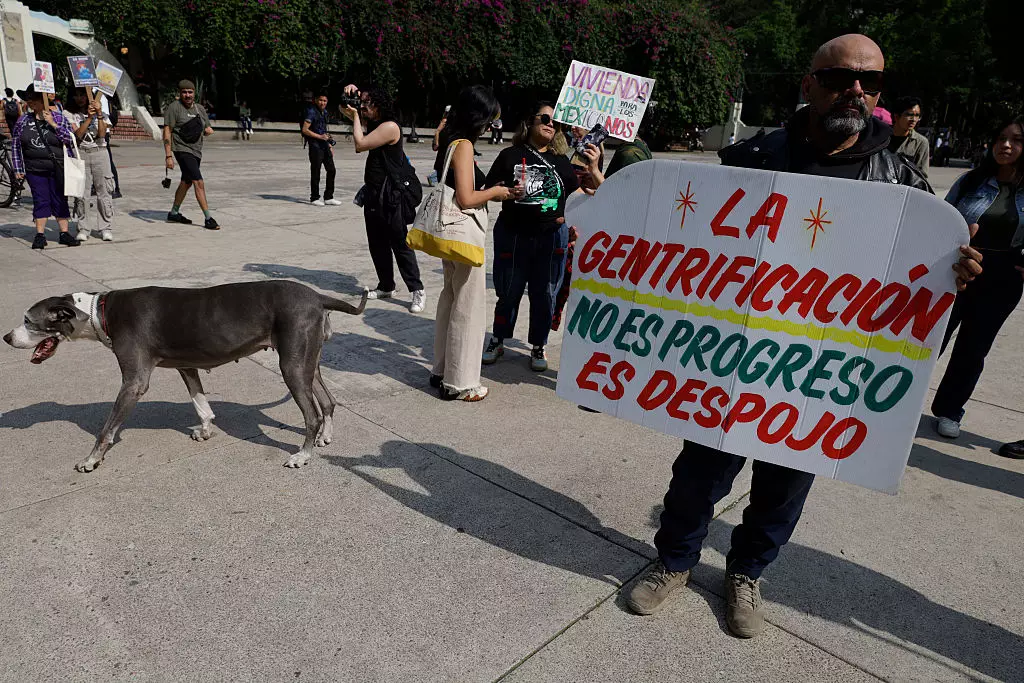
Hostility toward American tourists has also been growing in parts of Mexico, particularly in the capital. Anti-gentrification demonstrations were held across Mexico City on 4 July last year—a date chosen deliberately.
Demonstrators pointed to sharp rent increases, loosely regulated short-term rentals, and a surge of European and U.S. Arrivals in trendy districts such as La Juárez, Roma, and Condesa.
Those protests later escalated, with damaged storefronts and shattered windows leaving parts of the city center visibly affected.
Crespo said the situation was part of what motivated the steep pricing for U.S. Citizens at his club.
He said: “It’s a way to give that money to the people most affected by this issue: rising rents, the soaring cost of living and the need to commute longer distances to get to work.
“By giving the workers the money collected from cover charges, we help them out a little bit.”