


Mexico has formally shifted its response to migrant deaths in U.S. Immigration and Customs Enforcement custody from diplomatic protest to legal action, filing criminal complaints with state prosecutors and the U.S. Department of Justice on Tuesday. The move marks a significant escalation in Mexican President Claudia Sheinbaum’s response to deaths of Mexican nationals during immigration enforcement operations under President Donald Trump’s aggressive deportation crackdown.
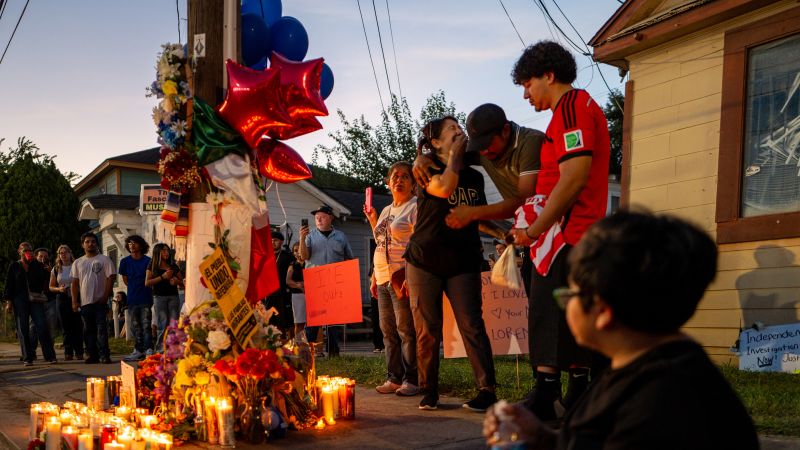
Since Trump returned to office in January 2025, 17 Mexican migrants have died during immigration enforcement, with 14 occurring in ICE custody and three during agency operations. The decision to pursue criminal investigations and civil lawsuits follows the July 7 fatal shooting of Lorenzo Salgado Araujo, a 52-year-old Mexican national who was shot by an ICE agent in Houston while driving a construction crew to a job site. The incident ignited protests in Houston and demands for investigation from Democratic lawmakers and Salgado Araujo’s family, who dispute federal accounts of the incident.
Foreign Minister Roberto Velasco announced that Mexico will pursue criminal complaints against those found responsible for the deaths. The request, though carrying no legal weight binding on U.S. Prosecutors, represents Mexico’s decision to move beyond the 11 formal diplomatic protest notes it has previously sent to Washington. Velasco explained that the government is “moving beyond diplomatic matters to file complaints requesting that the cases be investigated in the penal field.”
The Mexican government has also begun sending cease-and-desist letters to U.S. Detention centers where Mexican nationals have died. The Adelanto detention facility in California, operated by the GEO Group, was the first to receive such a letter after four Mexican migrants died there. These letters demand that detention centers “immediately cease the actions or omissions that resulted in these deaths, such as preventing access to prompt and expedited medical care, as well as the application of policies incompatible with medical and penitentiary standards.”
Mexican officials identified medical complications as the leading cause among the 17 deaths. Cases from Adelanto documented inadequate medical response, including one detainee who had blood glucose readings ranging between 123 and over 600 milligrams per deciliter for nearly a month without hospital transfer until the day of his collapse. The cease-and-desist letters are described as a first step toward eventual civil lawsuits against private companies operating the detention centers.
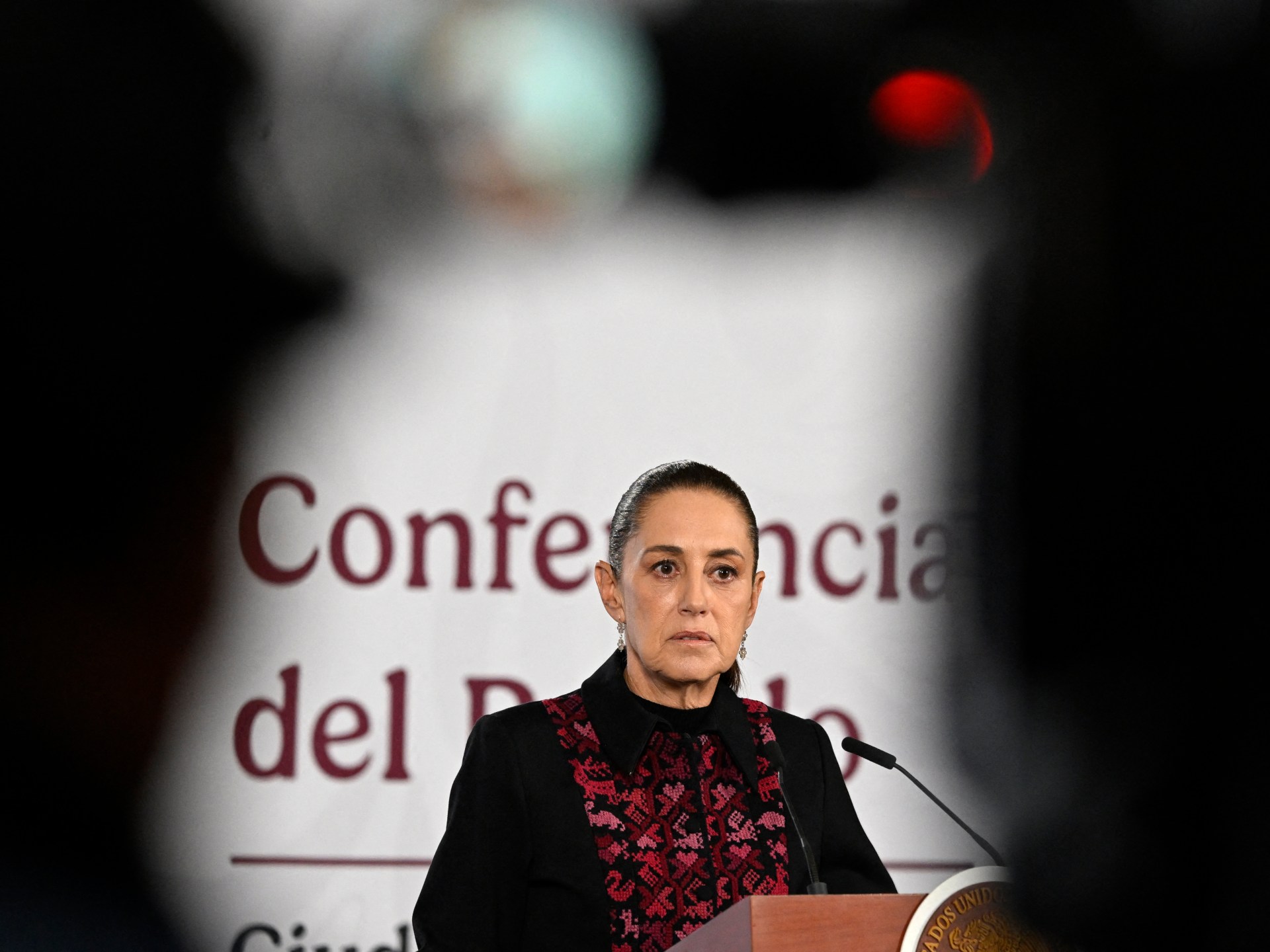
Sheinbaum said during her press conference that Mexico will pursue these measures while maintaining diplomatic relations with the United States. She stated that the government would support all citizens requesting assistance, “especially to Mexicans whose only crime is working honestly in the United States.” The president also directed her diplomatic missions to seek urgent meetings with U.S. Authorities, including members of Congress.

The escalation comes amid already-strained U.S.-Mexico relations. The two nations are renegotiating their trade agreement while tensions have mounted over immigration policy. Mexico has also appealed to international bodies, requesting that the Inter-American Commission on Human Rights and the United Nations High Commissioner for Human Rights investigate the deaths and their compatibility with international human rights standards.
Regarding Salgado Araujo’s death specifically, the Department of Homeland Security stated that ICE agents were attempting a vehicle stop as part of a targeted enforcement operation, claiming he rammed an ICE vehicle and that the officer fired in self-defense. However, Salgado Araujo’s family and witnesses have disputed this account. His son said his father may have feared he was being robbed by unmarked vehicles and would have stopped if he had seen law enforcement insignia. Salgado Araujo had lived in the United States for nearly 35 years and had no criminal record.
The broader context reveals alarming death trends in ICE detention. Data from the Detention Watch Network shows 19 immigrants have died in ICE custody in 2026 alone, with 31 deaths in 2025—the highest total in more than two decades. By comparison, ICE reported 26 total deaths across President Biden’s entire term. The mortality rate in ICE custody has more than doubled since Trump’s second term began and is nearly four times higher than during the Biden administration.
The United Nations High Commissioner for Human Rights has called the number of deaths in ICE custody “alarming,” urging “prompt, independent, impartial and effective investigations into all deaths in ICE custody.” Mexico’s Foreign Ministry has asked the U.N. Commissioner to gather information from U.S. Authorities and analyze whether the deaths are compatible with international human rights obligations.
The Department of Homeland Security has defended ICE’s practices, saying that death rates in custody under the Trump administration are 0.008 percent of the detained population and that detainees receive full due process and proper meals, water, and medical treatment. The agency also stated that ICE officers are trained to use the minimum necessary force to resolve dangerous situations.
Mexico’s legal strategy differs from its previous approach by targeting both government authorities and private prison operators. While criminal complaints to U.S. Prosecutors carry no binding legal weight, civil lawsuits against private companies operating detention centers do not benefit from sovereign immunity, potentially exposing contractors like GEO Group and CoreCivic to liability. These companies have substantially expanded operations and profits under Trump’s immigration enforcement expansion.
Human rights observers and Mexican officials view the escalation as necessary given the apparent lack of progress through diplomatic channels. Some experts have argued that Mexico should have taken such action earlier, pointing to the pattern of deaths and the government’s previously unsuccessful attempts to secure accountability through traditional diplomatic means.