

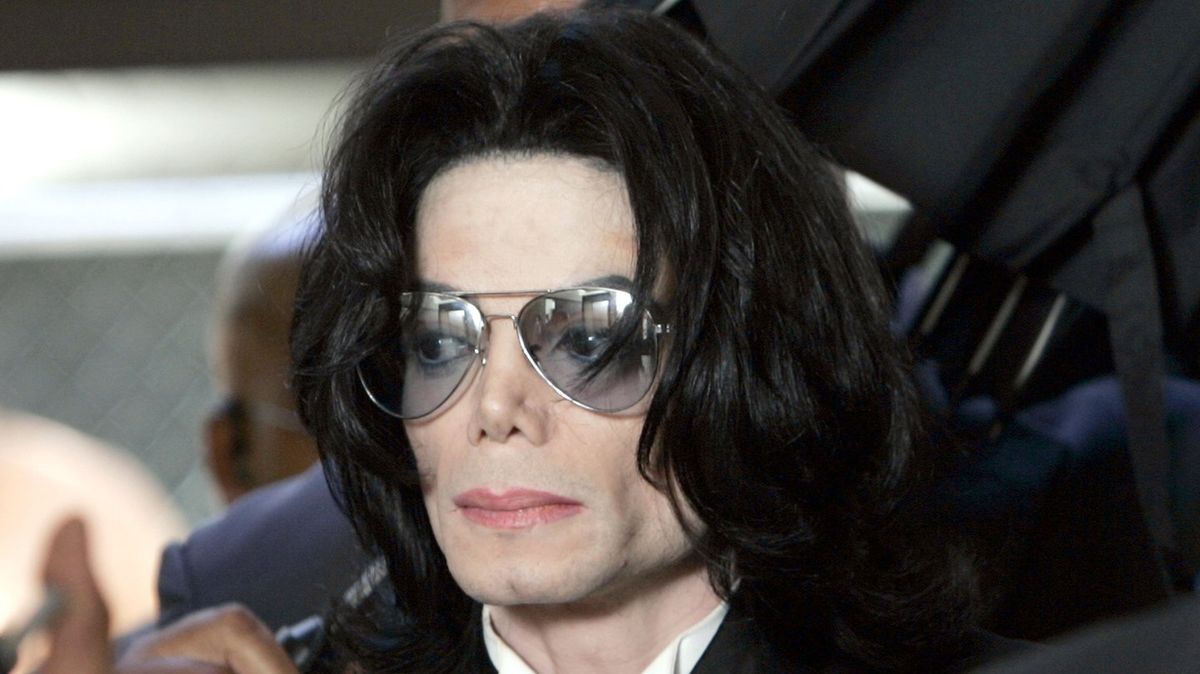
Michael Jackson’s death shocked the globe after he suddenly died aged 50 in 2009, but what really happened to the King of Pop?
Jackson died at Ronald Reagan UCLA Medical Center on June 25, 2009, roughly two hours after suffering cardiac arrest at his home.
In the weeks before he passed away, the ‘Beat It’ star had been gearing up for his This Is It run of shows in London. The residency was set to begin on July 13, but he died just two weeks beforehand.
In the aftermath, investigators sought clarity with not one but two autopsies. A formal examination was followed by a private autopsy arranged by his family.
The initial findings concluded that Jackson cause of death was acute propofol intoxication, reports said at the time, triggering cardiac arrest.
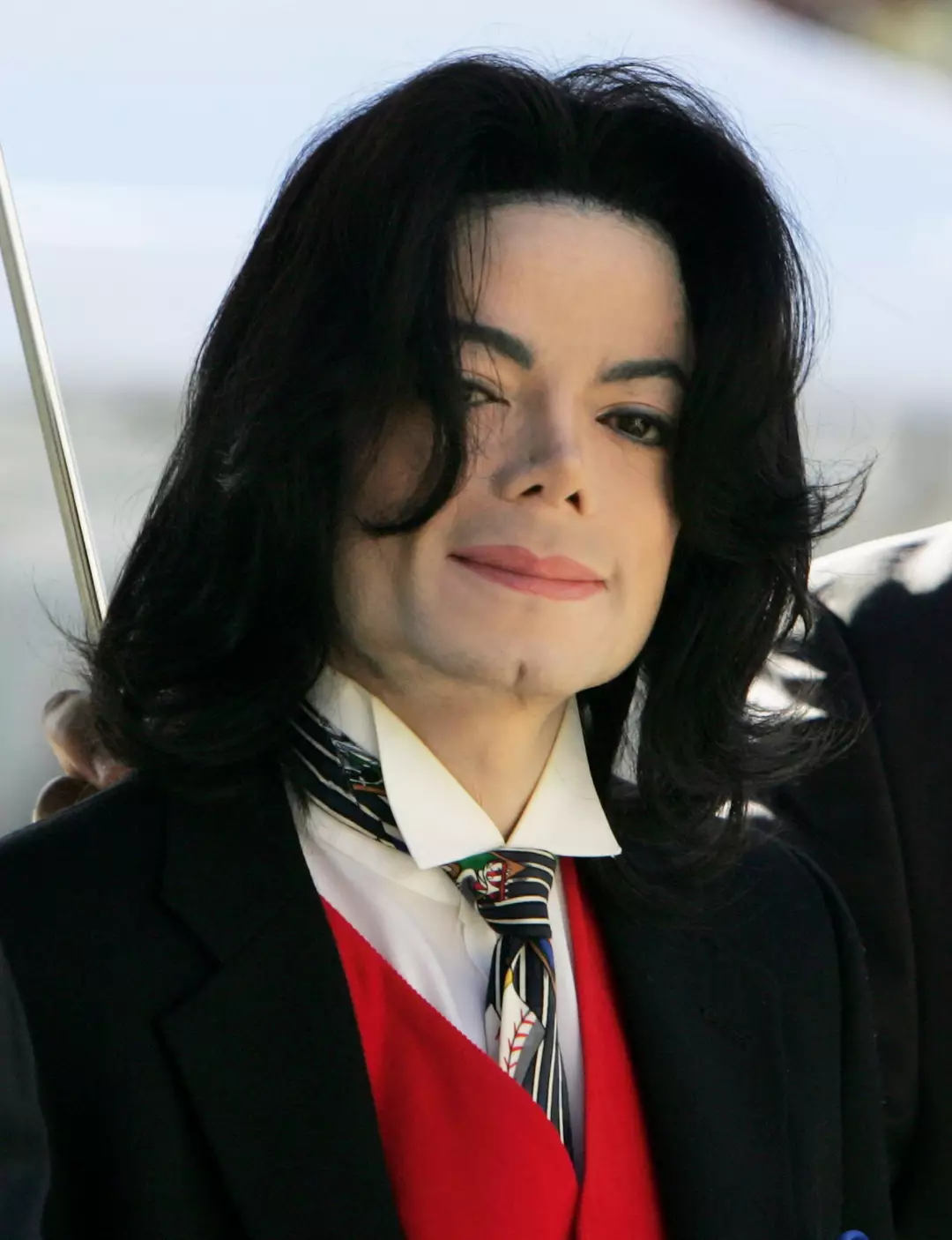
Officials also identified other substances in his system that were deemed contributing factors. Reports stated he had been given multiple medications to address sleep issues, a practice that had reportedly been ongoing for some time. Lorazepam and Midazolam were among the sedatives detected, alongside Diazepam, Lidocaine and Ephedrine.
Jackson was said to have dealt with insomnia for years, with the issue becoming especially acute as preparations for touring intensified. The evening before his death, he had been rehearsing in Los Angeles.
After the rehearsal, he reportedly struggled to sleep and, in the early hours of June 25, asked his doctor, Conrad Murray, for propofol.
Because multiple drugs were involved — described as ‘polypharmacy’ — Jackson’s death was ultimately classified as a homicide, with Murray found responsible.
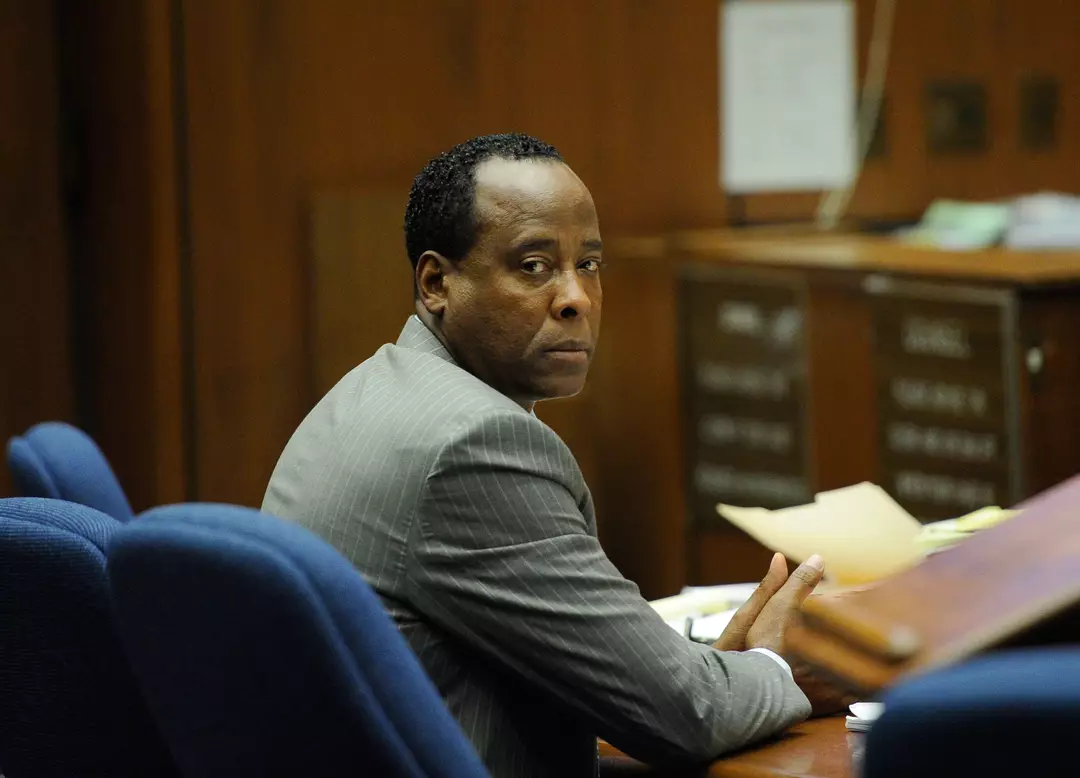
Murray was charged with involuntary manslaughter after being identified as the person who administered the dose of propofol linked to Jackson’s death. In November 2011, he received a sentence of up to four years in prison, before being released in October 2013.
Murray has since relocated to Trinidad and Tobago, where he launched a medical institute in 2023. Before that, reports said he was working in private medicine at a nursing home in Chaguanas.
Despite the conviction, Murray has repeatedly insisted he did nothing wrong.
“I have lost a great deal,” he told Inside Edition in 2016. “I’ve lost everything. Everything I’ve amassed has been taken from me as a result of an unjust verdict. I am and I remain an innocent man.”
If you have experienced a bereavement and would like to speak with someone in confidence, contact GrieveWell on (734) 975-0238, or email [email protected].