

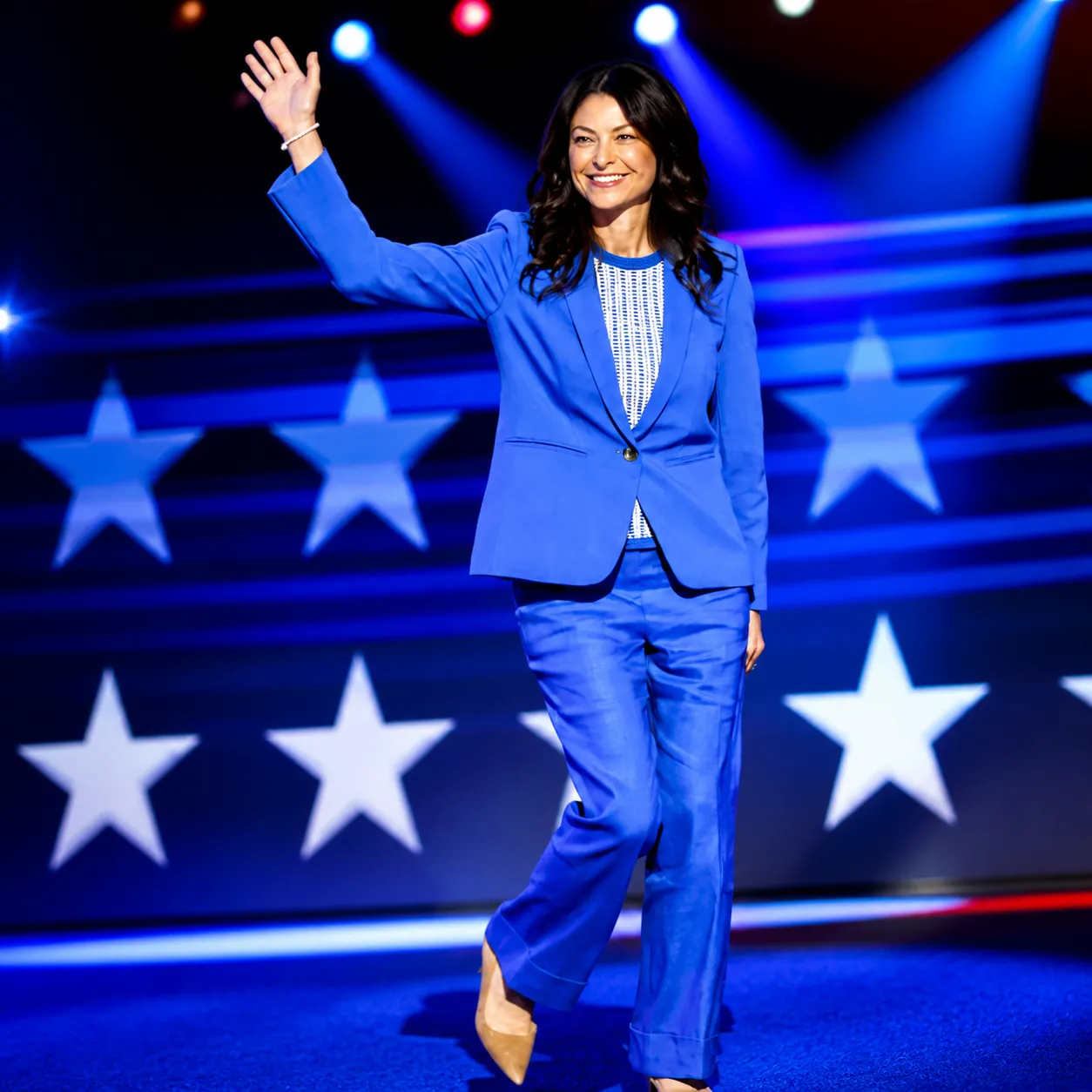
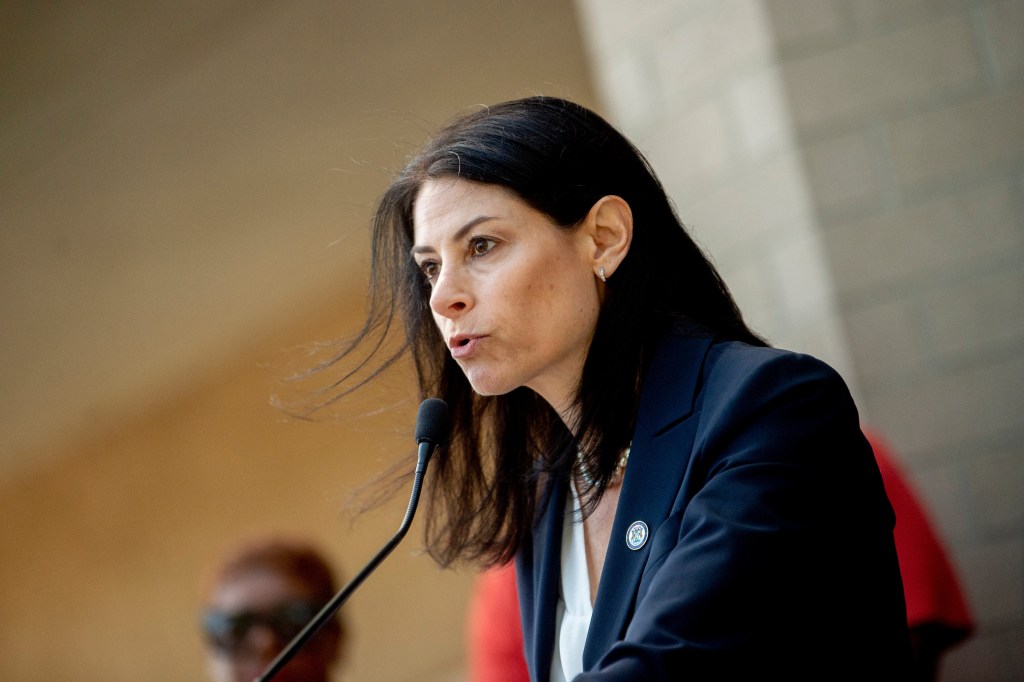
Michigan Attorney General Dana Nessel skipped her own party’s convention Saturday over fears she would be harassed for her support of Israel.
Nessel, who is Jewish, said late last month she worried about being booed, chased and screamed at if she attended the gathering in the battleground state. The 58-year-old is barred from seeking another term due to term limits, making the convention largely a formality for her, but her absence underscored deepening fractures among Michigan Democrats over the war in Gaza.
“I don’t feel safe going,” Nessel warned in her late July remarks. “I feel like my presence is not going to be welcomed. I don’t want to get chased around. I don’t want to get harassed. I don’t want to get yelled and screamed at. I don’t want to get booed off the stage, irrespective of what I’m saying. And I believe that if I go, that is what will happen because it’s been happening to me.”
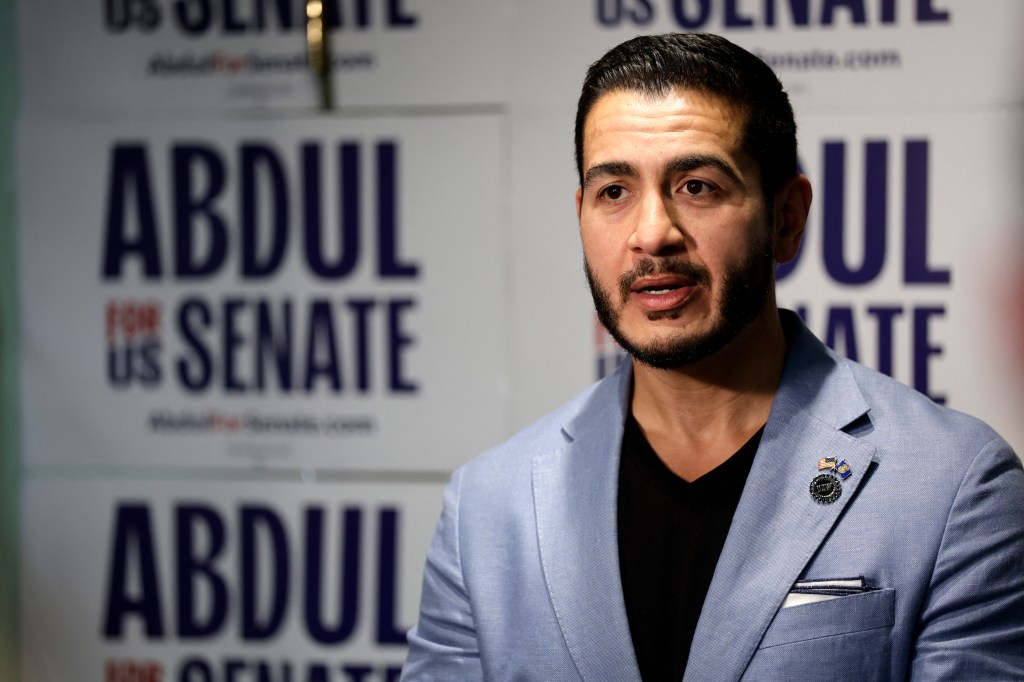
The party took extraordinary security precautions for Saturday’s event following a rowdy April convention where delegates used a mobile phone app to vote and some attendees loudly booed Rep. Haley Stevens, a pro-Israel Democrat who was then locked in a tight primary battle with Abdul El-Sayed. Stevens, who was backed by Senate Majority Leader Charles Schumer, ultimately lost that contest to El-Sayed, a Muslim candidate who campaigned in part by slamming Israel.
A slate of party leaders signed a letter this week warning delegates against “disruptive behavior,” while a party email sent Aug. 26 threatened “zero tolerance and immediate ejection” for anyone violating its code of conduct. “Our Democratic ticket stands united on this — the rules will be enforced, without exception,” the leaders said. The party also added law enforcement officers, entrance screening and additional security personnel throughout the venue.
El-Sayed, who now holds a narrow lead over former Rep. Mike Rogers in the RealClearPolitics polling average for the Senate seat, was among the signers of that warning letter despite his criticism of Israel during the primary. Following his victory, he addressed concerns about Jewish safety directly. “My commitment to Jewish safety is the same commitment that I have to the safety of my own daughters,” he said.
Nessel had cited a rise in antisemitism on the left and growth of far-right elements as factors in her decision to stay away. She was not alone in her concerns. Earlier this month, Michigan rabbis and Jewish leaders urged the party to “ensure the safety” of Jewish delegates at the convention.
“We believe you need to make it clear, publicly, that anyone who chases, screams at, or otherwise harasses Jews at your convention will be arrested and prosecuted to the fullest extent of the law,” they wrote. They added: “If Jews, including the highest-ranking Jewish state official in Michigan, are intimidated into staying away from your convention, it will not stop there.”
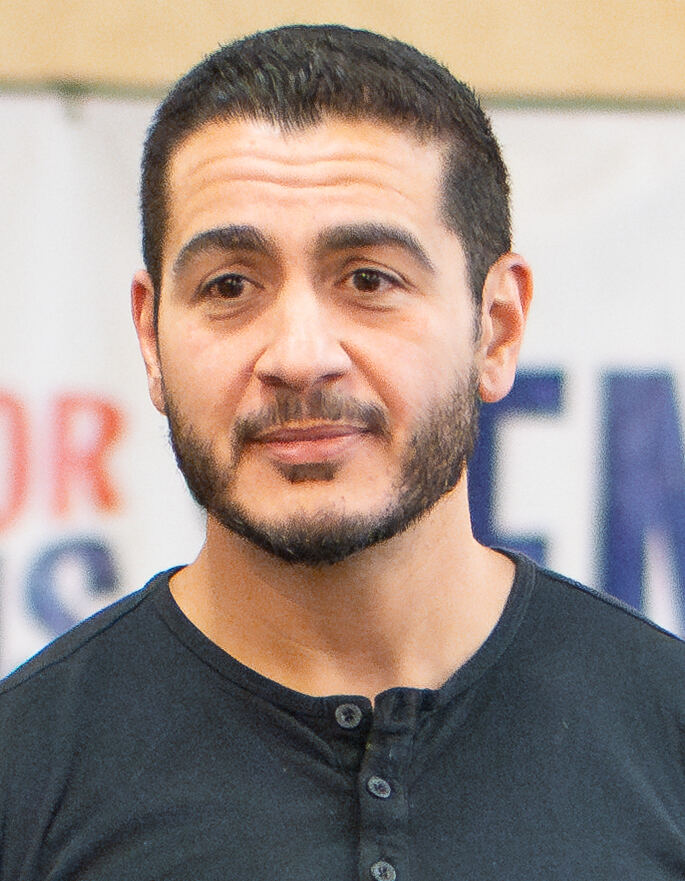
The April convention that prompted much of this anxiety saw chaotic scenes as delegates navigated the mobile voting app and vocal opposition to pro-Israel figures erupted. Nessel and two other Democrats had called for an audit of those results. The tensions reflect broader struggles for the party in a state home to roughly 100,000 Jews, where competing demands from Muslim and Jewish constituencies have strained traditional Democratic coalitions.
El-Sayed’s own record on Jewish issues has drawn scrutiny. Following the March attack on Temple Israel by a Hezbollah-linked terrorist in West Bloomfield, near where he grew up, El-Sayed released a statement in solidarity with Michigan’s Jewish community. “There is never a justification for attacking innocent people,” the epidemiologist said at the time, though he also drew criticism for adding, “hurt people hurt people.” Nessel has expressed concern that El-Sayed is “making excuses” for domestic terrorism, pointing to that episode as part of her broader alarm about rhetoric in the party.
The convention proceeded Saturday with the enhanced security protocols in place, though Nessel’s empty seat served as a visible reminder of the divisions the party has yet to reconcile.