

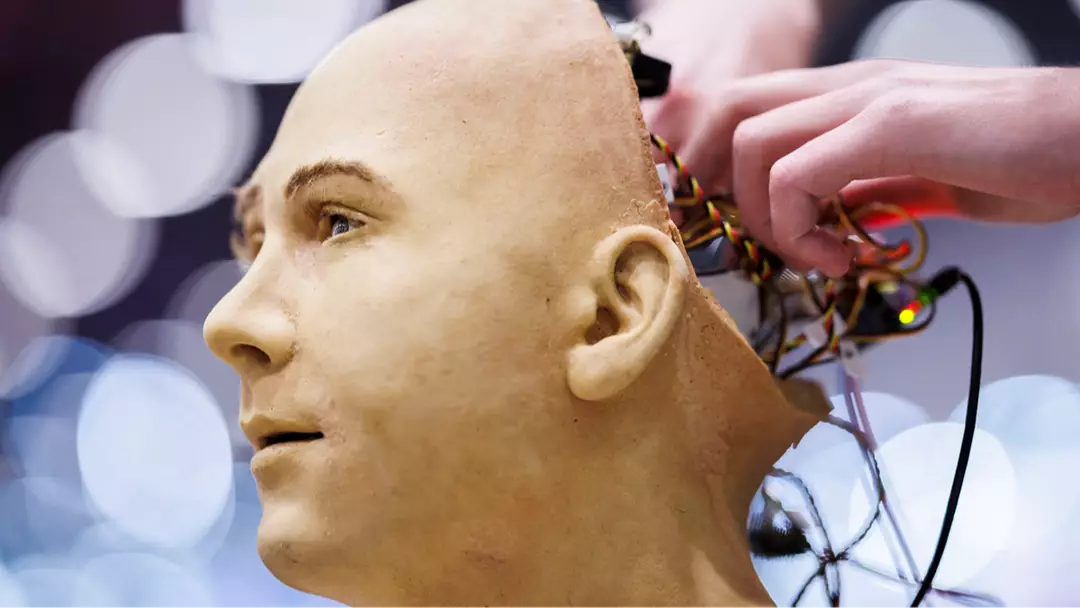
The rise of artificial intelligence is transforming the workplace, according to recent data, with thousands of American employees facing layoffs over the past year as companies capitalize on the ‘efficiencies’ offered by this advanced technology.
Consulting firm Challenger, Gray & Christmas reports at least 55,000 job losses attributed to AI implementation in 2025, contributing to a broader reduction in the workforce that amounts to 1.17 million jobs lost—a significant decline not seen since the Covid pandemic.
Certain professions are more vulnerable to AI replacement, with a Microsoft analysis indicating that writers, interpreters, programmers, and historians might see many of their specialized roles supplanted by machines.
This analysis involved examining 200,000 interactions with their AI tool, Microsoft Autopilot, and aligning them with job types using data from the Department of Labor.
While the findings signal challenges for creative jobs, numerous professions remain largely unaffected by AI advancements.
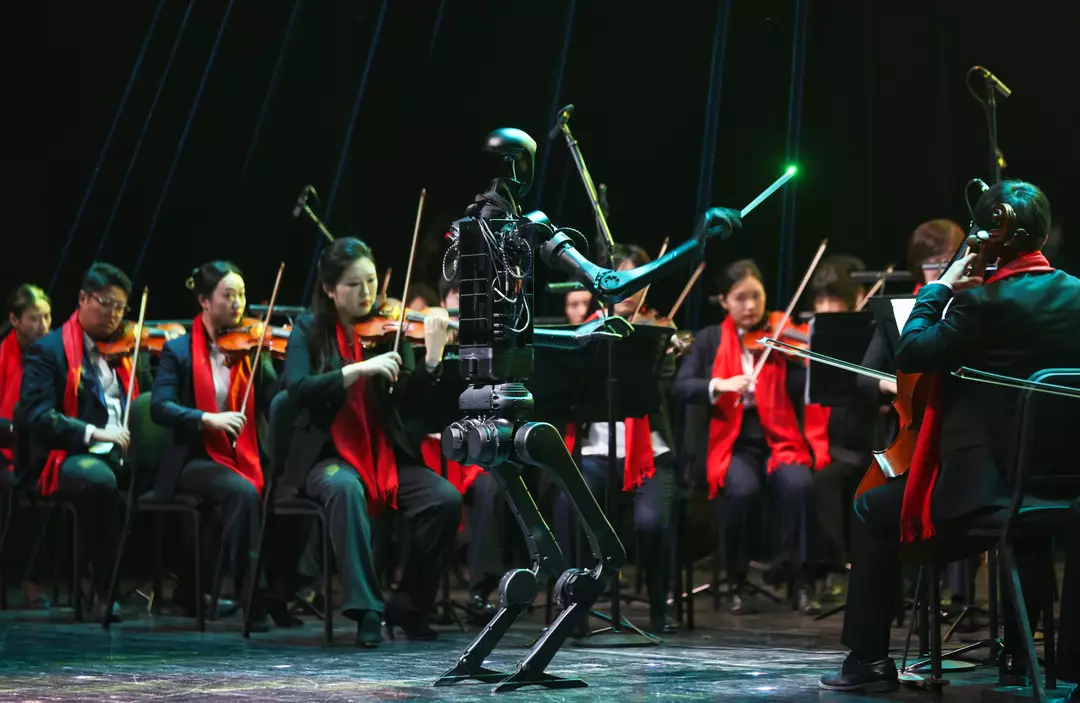
The technology company commented on the implications of its research for employment, stating: “We found that AI is most useful for tasks related to knowledge work and communication, particularly tasks such as writing, gathering information, and learning.
“Those in occupations with these tasks may benefit by considering how AI can be used as a tool to help improve their workflows.
“On the flip side, it’s not surprising that physical tasks like performing surgeries or moving objects had less direct AI chatbot applicability.”
Outlined below are the five professions that Microsoft’s research indicates are least impacted by AI advancements, and what this may mean for future employment landscapes.
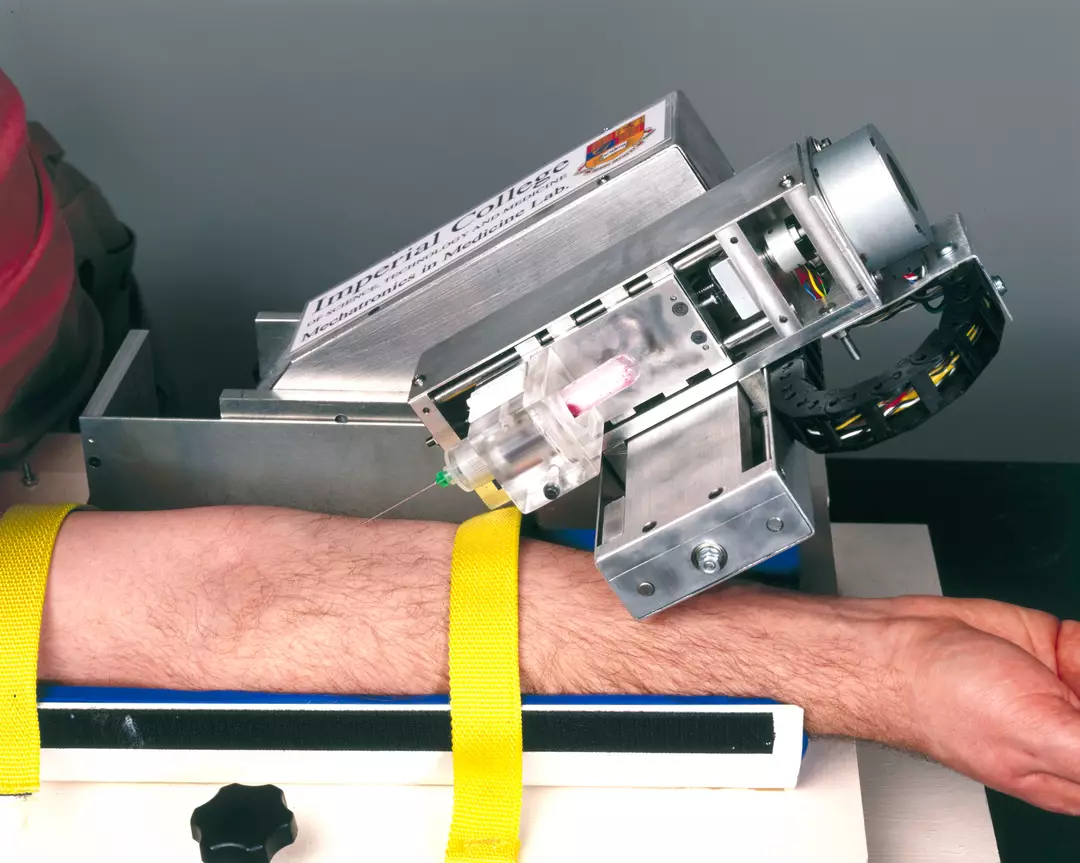
Would you trust a robot to draw blood from your vein? Would you allow it another attempt if it failed initially?
Even AI advocates might pause before permitting a machine to undertake the nuanced task of blood extraction, as Microsoft’s findings suggest that phlebotomy remains minimally affected by technological advancements.
Subsequent to Microsoft’s data collection, a robotics and AI firm revealed a machine capable of identifying veins using ultrasound, potentially surpassing human precision in blood collection.
Another critical aspect of this intimate medical care is empathy.
Just as one would expect compassion from a nurse during a blood draw, other healthcare assistants are challenging to replace due to the human sensitivity required in these positions.
These roles necessitate not only physical engagement and problem-solving skills in real-world scenarios but also the capability to establish rapport with patients—a daunting challenge for computers.
Professionals addressing significant real-world issues with specialized skills and equipment, particularly those with safety responsibilities like hazardous waste removal, are also seen as relatively secure from AI-induced redundancy.
While AI can provide guidance on safely disposing of harmful chemicals, it lacks the ability to physically execute these tasks. Moreover, AI cannot be held accountable if the procedure is performed incorrectly.
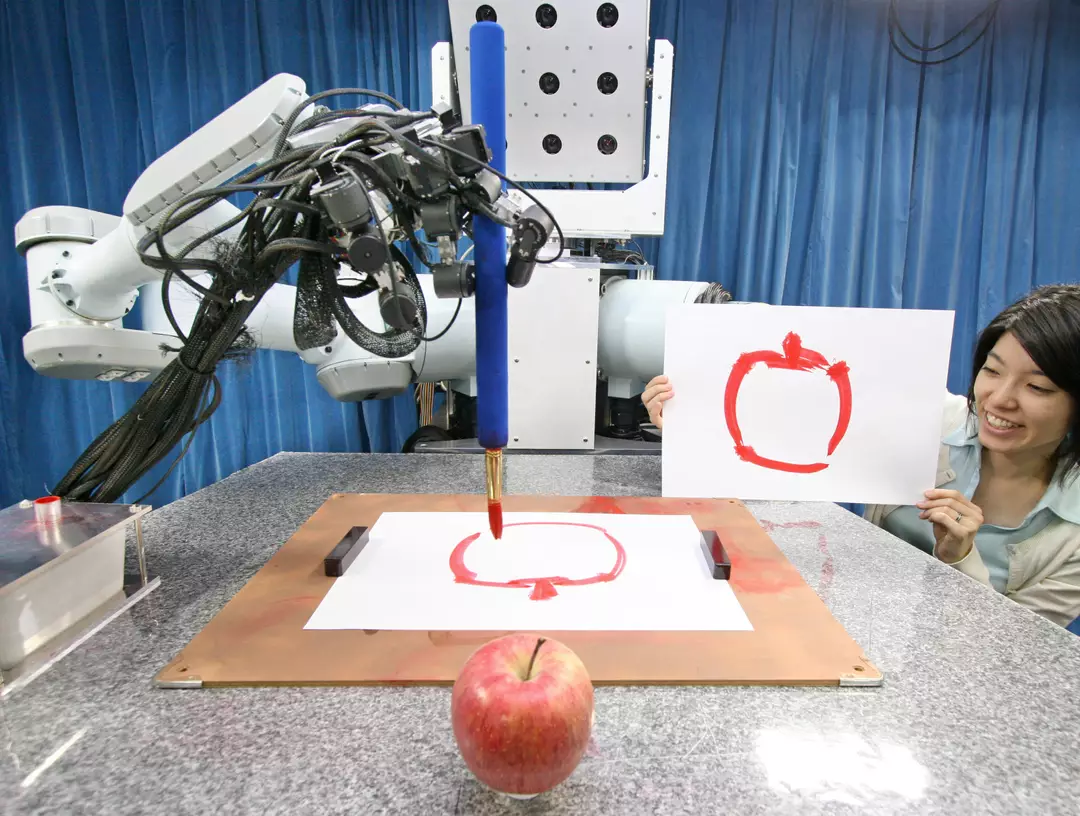
Jobs requiring a human touch and basic manual dexterity are identified as some of the most secure career trajectories in the AI-driven future, with skilled manual labor featuring prominently on Microsoft’s list.
The analysis indicates that employees with degrees and advanced qualifications, particularly in entry-level roles, face the highest risk in the future job market. Consequently, those in marketing and journalism might consider acquiring skills in practical trades like drywall installation.
An unexpected profession among the top five most secure jobs is embalming, a field exemplifying the traits that render jobs less susceptible to AI, according to Microsoft’s study.
Funeral home staff must exhibit a high level of empathy and kindness, often interacting with families and loved ones during profoundly difficult times and addressing challenging questions.
Embalmers require specialized training, equipment, and expertise, as each body presents unique challenges that only experience and fine motor skills can address.
Crucially, entrusting a loved one’s body to another person involves a significant level of trust that they will treat it with the utmost care and respect.