

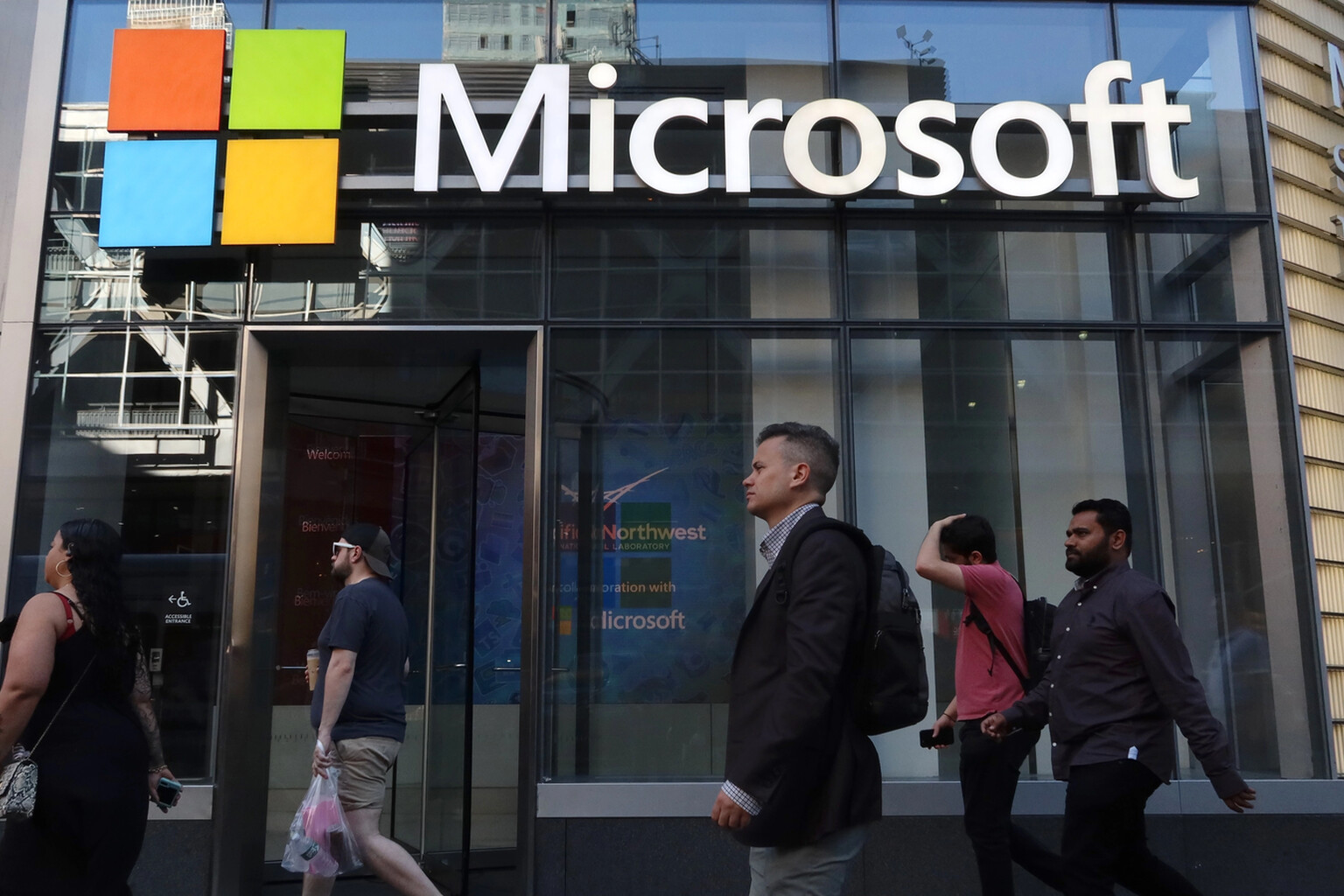
Microsoft has admitted that its attempted fixes for a sprawling global outage are “not working as expected” as disruption to email, calendars and AI tools stretched past 14 hours.
Charles Lamanna, 47, EVP of Copilot, Agents and Platform at Microsoft, wrote on X: “We regret that today’s outages caused disruptions for our customers, and we are working to address the issue.” The executive ruled out a cyber-security incident as the cause, pinning the problem instead on “elevated load” after multiple servers became “unexpectedly unavailable” and flooded remaining infrastructure with excess traffic.
The company initially reported “positive results” from restart efforts, but later walked that back with the concession that recovery was proving harder than anticipated. Microsoft also warned that services brought back online risked becoming unresponsive again once user traffic returned.
Outage tracker Downdetector first flagged problems just after 16:15 GMT on Thursday, with Outlook reports surging to nearly 140,000 by around 18:00 GMT — more than 2,000 times normal levels. The disruption hit 74 countries within about an hour, according to the site. Microsoft’s own figures put 365 app users at over 430 million people worldwide.
Exchange Online, which includes Outlook, has been among the hardest-hit services, with some customers unable to view files or calendar details. Copilot has also faltered. While Microsoft said messaging and online meetings stayed largely functional, a senior executive at a large Indian brokerage, speaking anonymously, said Teams calls with major clients have been “a challenge.”
The ripple effects spread fast. OpenAI said it was investigating connection issues to Microsoft services, while Anthropic identified problems with its Microsoft 365 links. Singapore’s Government Technology Agency confirmed some government systems were affected, though emergency services remained operational; the country’s courts urged people to phone about urgent matters. The Philippines Supreme Court warned of email delays, and courts across Los Angeles, Texas and Alberta posted similar notices.
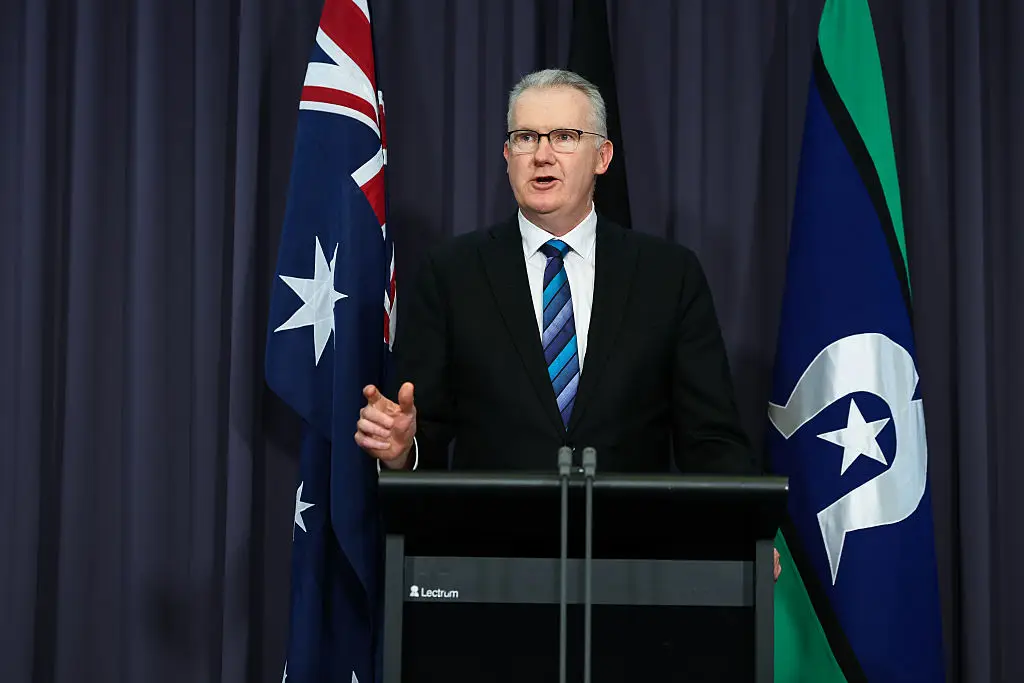
In Australia, ASIO and federal police were hit, though officials downplayed the impact. Home Affairs and Cybersecurity Minister Tony Burke said Microsoft officials there told him the situation resembled the 2024 CrowdStrike outage, where an update had “gone awry.”

India’s biggest airline, IndiGo, said its email support was affected. Rival Air India took a lighter tone on X: “Emails can wait.” Banks and universities in multiple countries warned users to beware fake IT support offers.
Technology analyst Paul Spain said that if no cyber-attack was involved, the episode pointed to “incredible incompetence.”
In its latest update, Microsoft said it was still recovering frontend servers while working to improve stability and capacity. Lamanna said: “We’re seeing encouraging recovery progress, with service availability and email delivery performance improving across a growing portion of affected infrastructure. We know our customers rely on our services to get important work done every day, and regret the impact these outages had on those who depend on us. Our teams are reviewing what happened and how we can prevent similar issues going forward.”
Microsoft’s next scheduled earnings call will address cloud performance metrics amid ongoing recovery efforts.