

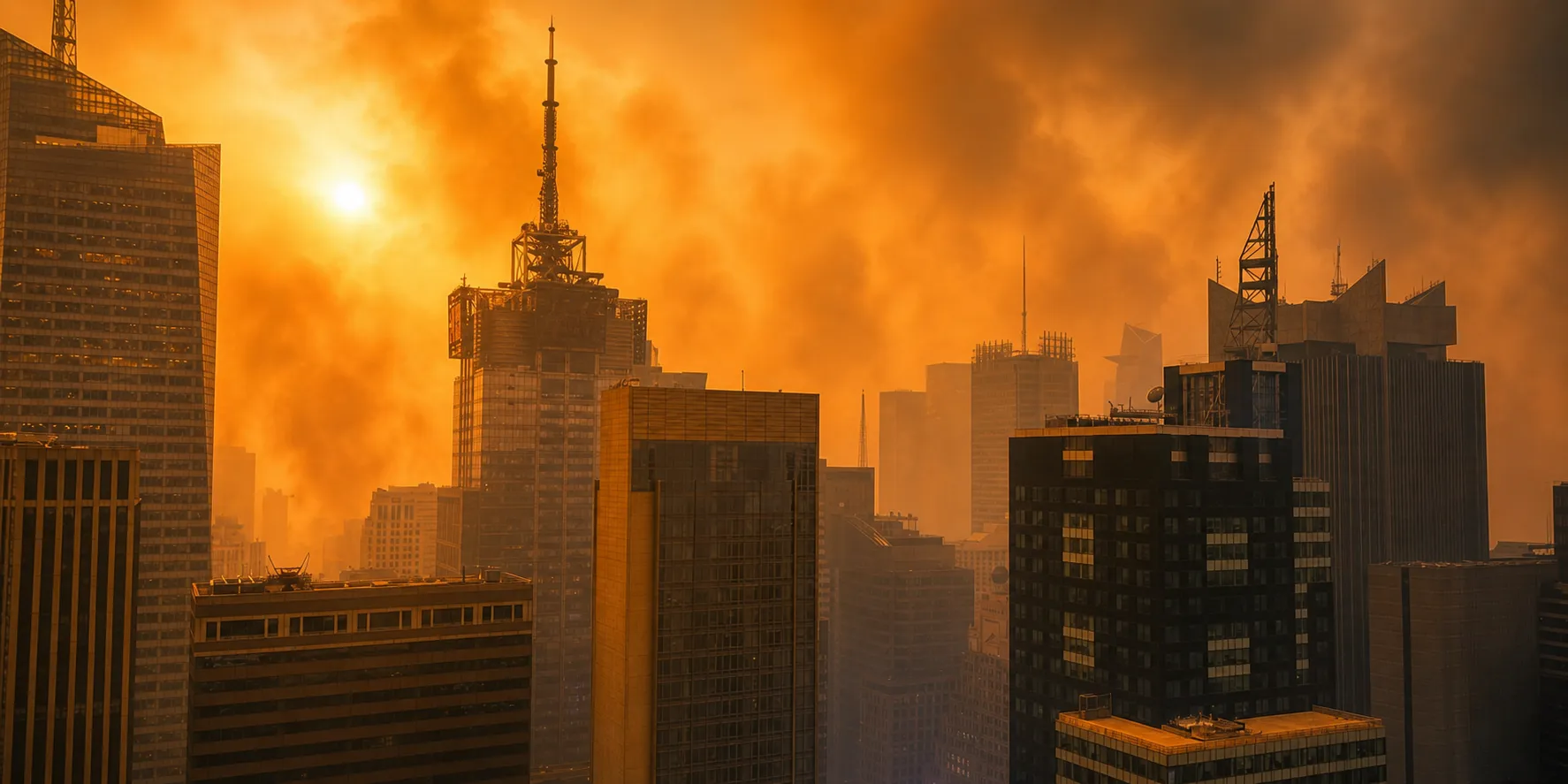
Massive plumes of Canadian wildfire smoke are set to blanket the Midwest and Northeast this week, bringing dangerous air quality to more than 100 million people across the region. The smoke originates from an explosive wildfire outbreak in western Ontario, Canada, and northern Minnesota, where extreme heat and dry conditions have created a perfect storm for rapid fire growth.
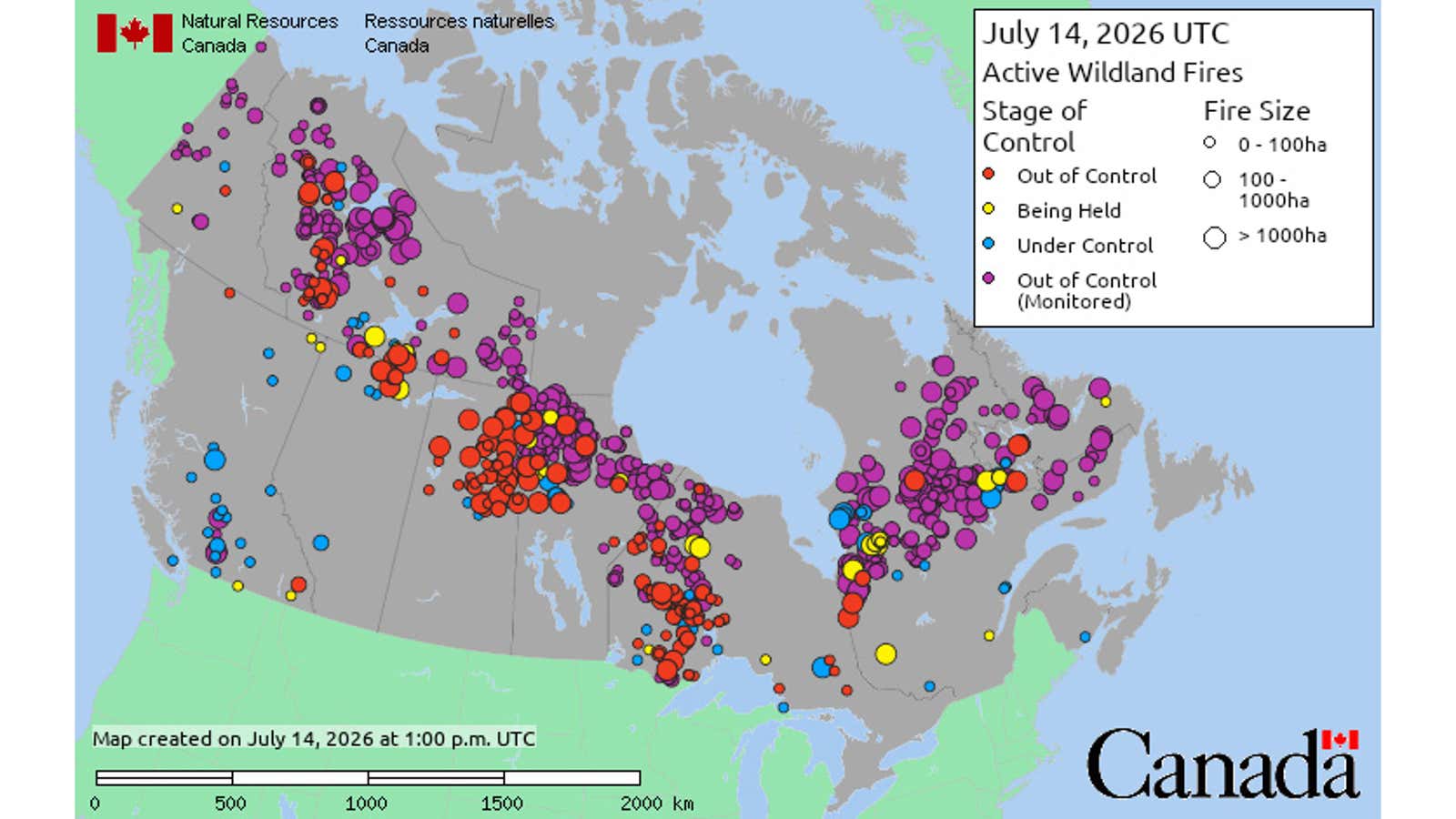
In Canada, more than 3,000 fires have burned nearly 4.5 million acres this summer, with a dozen major blazes flaring up in Ontario in recent weeks. Meanwhile, in northern Minnesota, at least 17 active wildfires are burning, including three inside the Boundary Waters Canoe Area Wilderness. The combination of record-breaking temperatures exceeding 100 degrees Fahrenheit, low humidity and gusty winds has turned conditions into a tinderbox.
The situation in Minnesota has become dire enough to warrant emergency interventions. Governor Tim Walz declared a peacetime emergency and mobilized the National Guard to assist with wildfire response. The U.S. Forest Service has closed the entire Boundary Waters Canoe Area Wilderness, only the third such closure in its history. The closure prompted evacuations of approximately 2,000 campers from the wilderness area, with 17 people requiring airlifts to safety. Nearly 9,000 acres are estimated to be burning inside the Boundary Waters alone.
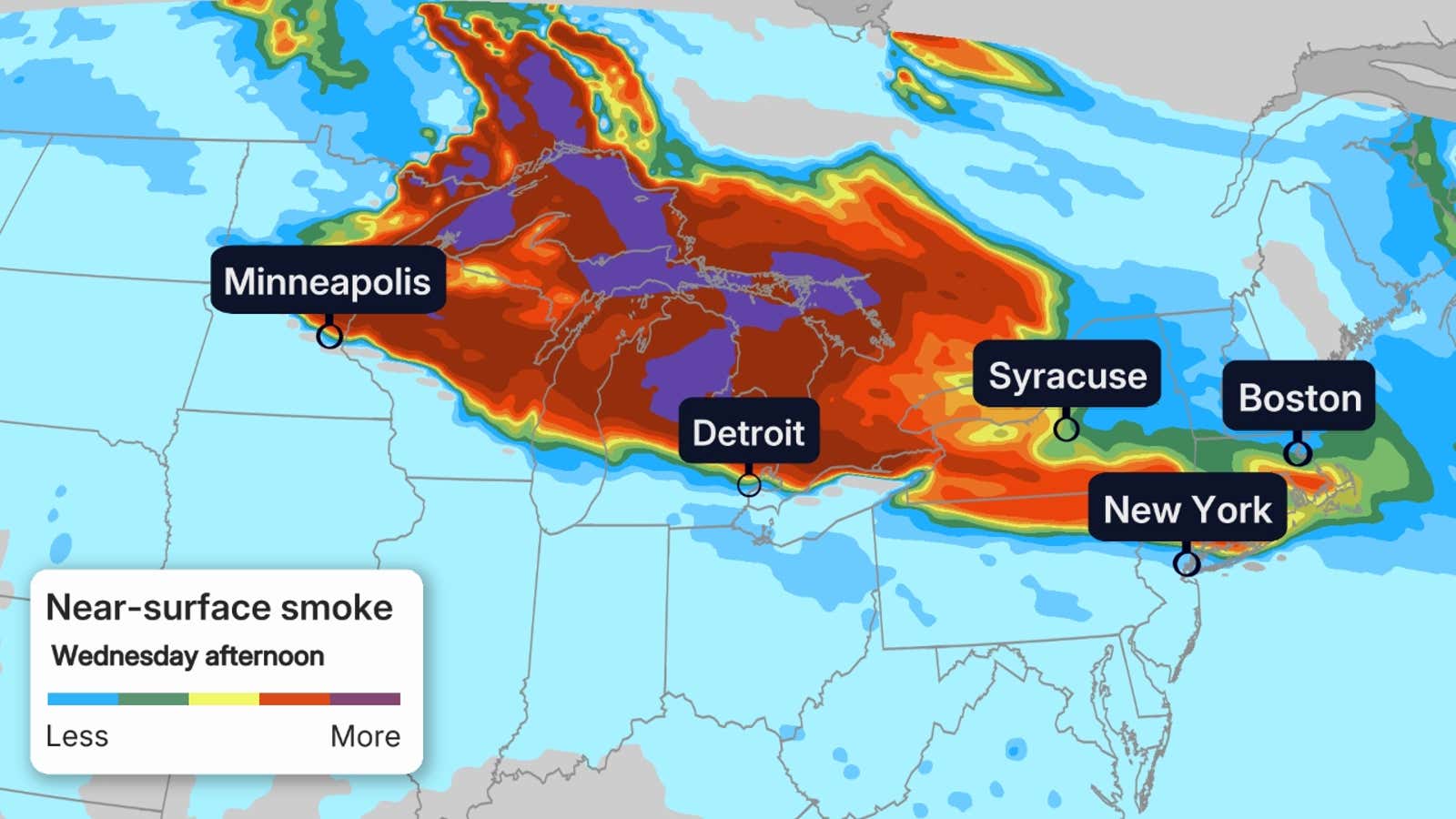
A major shift in wind direction beginning Wednesday will push the thick smoke from these wildfires southeastward into the Lower 48 states. The smoke is being steered by a record-breaking heat dome positioned over the central United States. Northwest winds behind cold fronts moving through the region will carry smoke from both western Ontario and northeastern Minnesota, and potentially additional smoke from fires burning across northern Canada. The densest smoke is expected to reach the Interstate 95 corridor by Wednesday evening, affecting major cities including Boston, New York City and Philadelphia.
Air quality is expected to become hazardous in the most heavily affected areas. In Minnesota, officials issued air quality alerts extending from Tuesday through Friday for areas including the Twin Cities metro area, Two Harbors and other regions in the northeastern part of the state. Areas like Two Harbors and the Grand Portage Tribal Nation are expected to reach hazardous air quality levels, making conditions unsafe for everyone, not just those in sensitive groups. By Thursday, the smoke could spread as far south as northern Illinois, Indiana, Ohio, West Virginia, Virginia and Maryland.
The health risks posed by wildfire smoke are substantial and well-documented. Wildfire smoke contains microscopic particles called PM2.5 that are much smaller than the width of a human hair. These particles can lodge deep into the lungs and enter the bloodstream. Short-term exposure can cause coughing, shortness of breath, scratchy throat, runny nose and burning eyes. Prolonged exposure to dense smoke increases the risk of chronic lung issues and can cause inflammation leading to heart attacks and strokes.
Research shows that wildfire smoke poses a greater health risk than fine particulate matter from other sources. Studies indicate that wildfire smoke PM2.5 is associated with increased emergency department visits for asthma, chronic obstructive pulmonary disease, upper respiratory infections and bronchitis. Children, older adults and outdoor workers face elevated risk of smoke-related health effects. People with existing heart and lung conditions are particularly vulnerable.
The long-term health burden is equally concerning. Climate change has been found to be responsible for the majority of the increase in surface wildfire smoke in recent years. Between 2006 and 2020, planet-warming pollution caused approximately 15,000 more deaths in the United States from wildfire particulate matter than would have occurred in a cooler world. Long-term exposure to fine particulate matter from wildfire smoke remains one of the leading causes of premature death.
Experts attribute the current wildfire outbreak to the combination of severe drought conditions and intense heat across both Canada and the northern United States. Dan Westervelt, an associate professor at Columbia University’s Climate School, described the situation as “a perfect storm for really dry conditions to provide a lot of fuel for these wildfires to burn.” Research shows that warming temperatures from burning coal, oil and gas are making fires more frequent and intense.
Residents in affected areas should take precautions to protect themselves from hazardous air quality. Health officials recommend reducing or eliminating outdoor activities, wearing N95 masks when outside, keeping windows and doors closed, and running air purifiers or air conditioners to maintain cleaner indoor air. Those with respiratory or heart conditions, children and elderly individuals should pay particular attention to air quality forecasts before spending time outdoors.
The situation remains fluid, with forecasters noting that wildfire smoke prediction remains challenging. With several months of wildfire season remaining, the door will remain open for additional Canadian smoke plumes to migrate south into the United States in the coming weeks and months.