

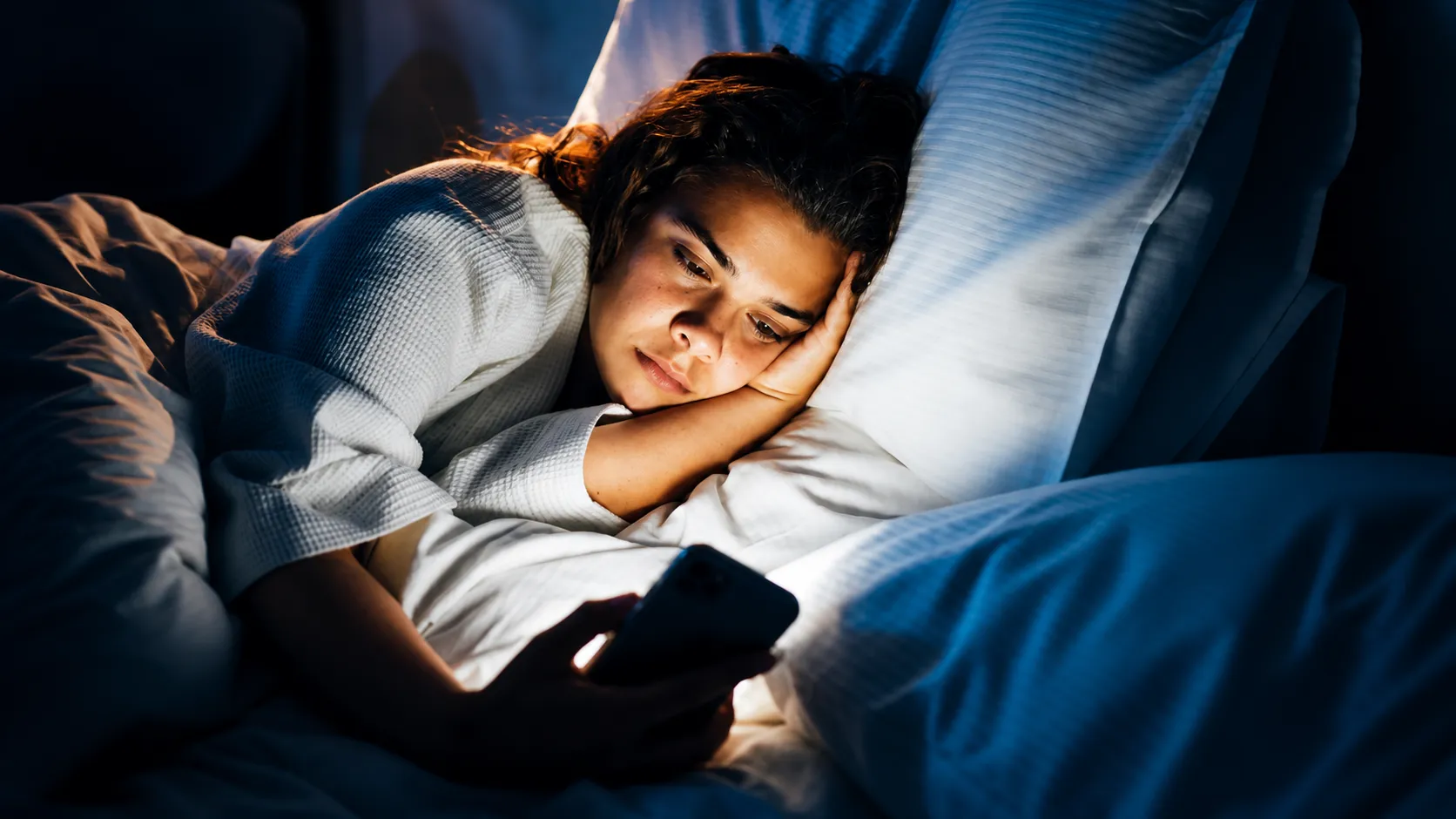
Experts are warning against a common bedtime habit that many people still do, and it’s not related to late-night scrolling.
Most of us have heard the advice about avoiding phone use before sleep. This warning, however, has nothing to do with what’s on the screen and everything to do with where the device is being charged.
Since a lot of people rely on their phones as alarm clocks, it’s common to keep them close by overnight so they are within reach in the morning.
That also means many devices are plugged in while we sleep, which can make charging them beside the bed feel convenient.
The problem starts when a phone is left charging on the bed itself, especially under blankets, pillows, or other soft bedding.
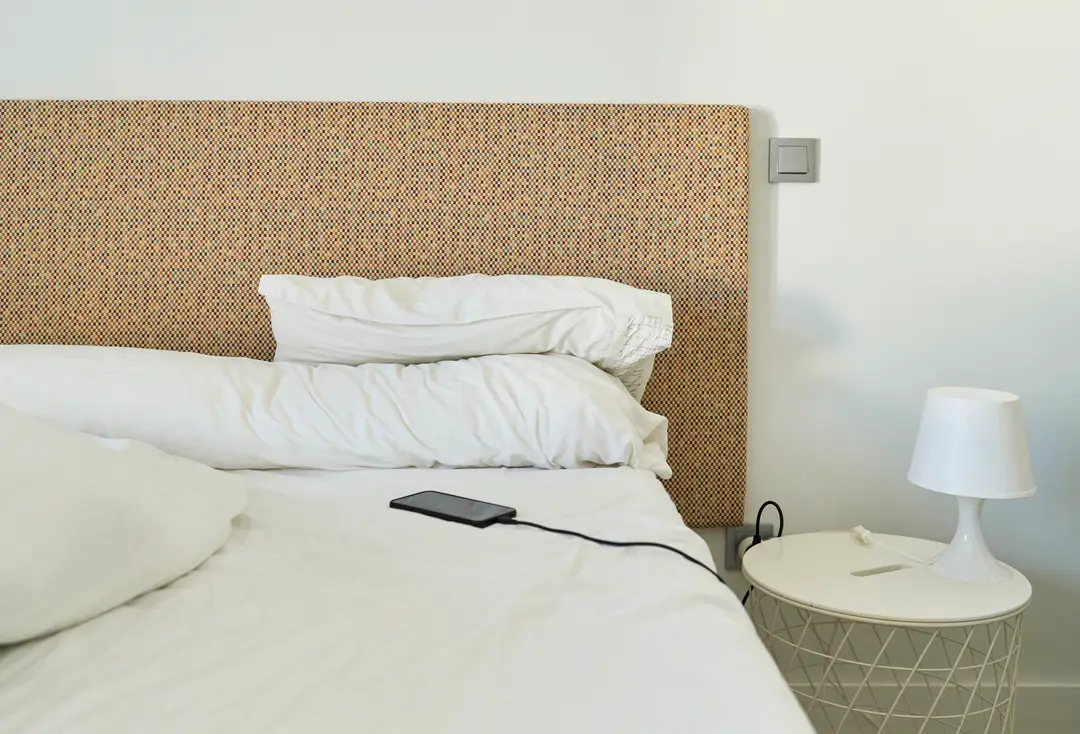
Fire services in both the US and the UK have repeatedly warned against this practice, including Surrey Fire and Rescue Service.
“Charging under blankets? Think again.
“Charging your devices under bedding for extended periods of time can cause them to overheat and catch fire!
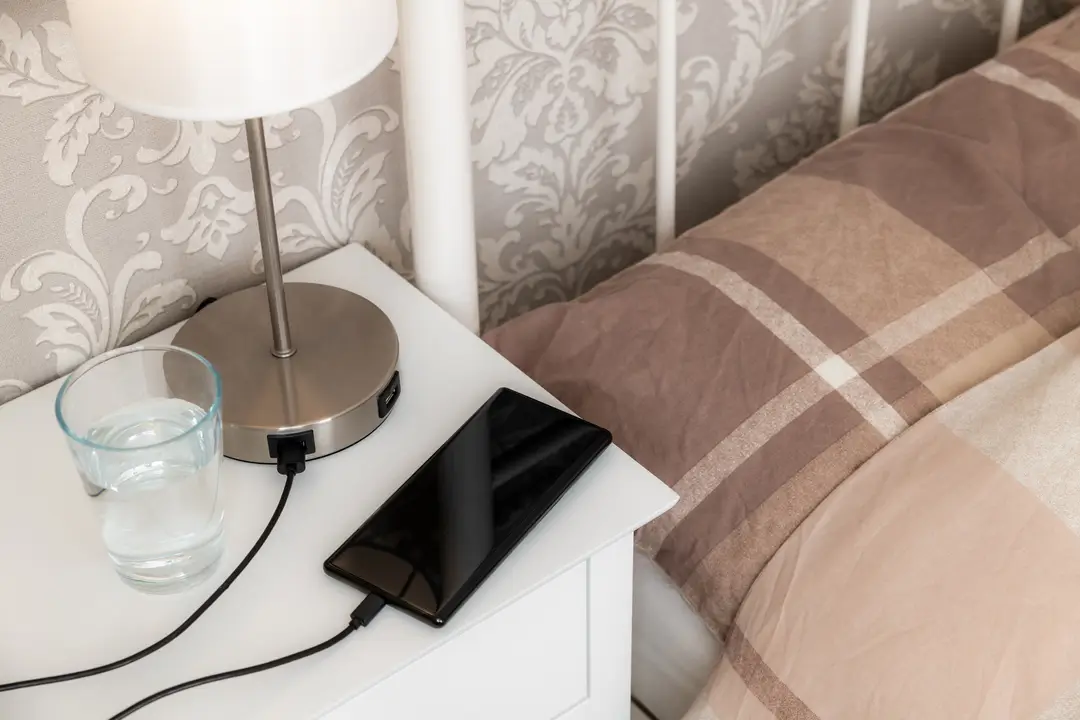
“A safer alternative is to charge them on a hard, flat surface and unplug them before you go to bed. If your chargers are damaged or discoloured then it may be time to replace them.
“These simple changes can prevent a devastating fire. Stay safe while you stay connected.”
Similar advice has also been issued by Louisiana’s West Monroe Fire Department, which recently highlighted the potential dangers linked to lithium-ion batteries commonly found in smartphones.
In comments to KNOE last month, the department said phones should be charged on a firm surface rather than soft furnishings such as beds, sofas, or beneath pillows.
Overheating is not the only concern. There is also a risk of electric shock in certain situations.
One unusual case last year involved a young boy from Wichita who was electrocuted while sleeping next to a phone that was charging.
Lorenzo Lopez was wearing a chain necklace in bed and, when he turned over, the jewelry ‘happened to fall in between where the gap was on the extension cord and the charger’ and shocked the eight-year-old.
Thankfully, Lorenzo survived and managed to remove the necklace himself, a move that ultimately saved his life.
Even so, he suffered severe burns and later needed surgery for his injuries.
Safety experts say the safest setup is simple: charge phones on a hard, flat, well-ventilated surface, keep them away from bedding and other soft materials, and avoid using damaged cords or discoloured chargers. Officials also advise using the charger made for the device whenever possible and unplugging it once it’s fully charged, especially overnight.
That advice matters because phone batteries, like other lithium-ion batteries, can generate heat while charging. If that heat has nowhere to go, the risk of overheating increases. Even small chargers or cables can become hazardous if they are worn out, poorly made, or used in the wrong environment.
Fire departments also recommend paying attention to warning signs such as excessive heat, swelling, unusual smells, sparks, or a charger that looks damaged. If a phone or charger becomes hot enough to be uncomfortable to touch, it should be unplugged and allowed to cool in a safe place.