

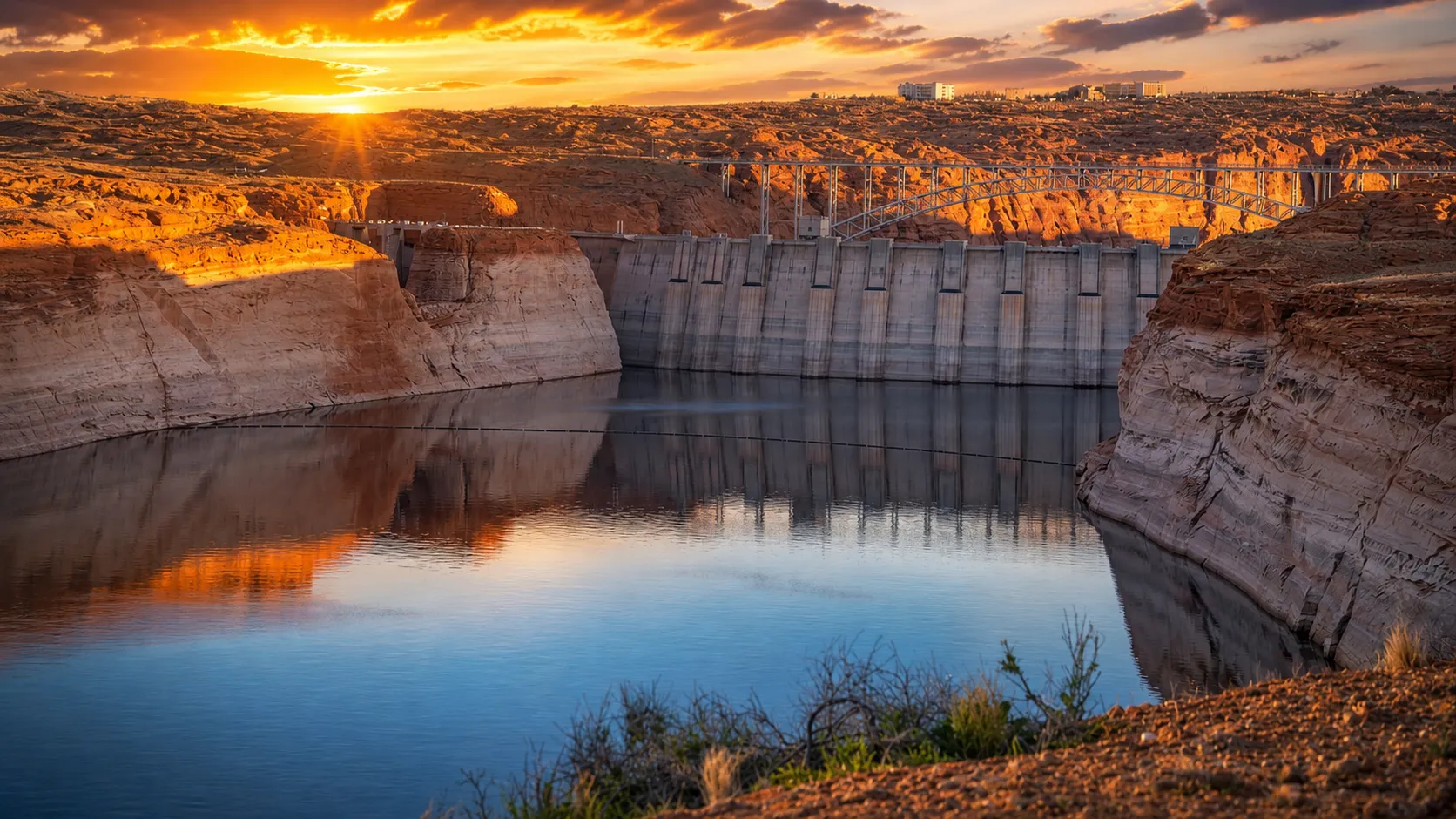
Millions of people in the US are being cautioned that water restrictions and electricity problems could become a real possibility as strain intensifies on a crucial water network in the American West.
The Colorado River is a lifeline for homes, major population centers and agricultural land across the Southwest, making it one of the most important natural resources in the region.
Its water serves communities in seven states, supports irrigation on more than five million acres of farmland and also helps produce power for about 700,000 households.
Overall, roughly 40 million people depend on the river, so any serious decline in supply could ripple far beyond the immediate areas around it.
After an exceptionally dry winter in the western US, experts and officials are increasingly warning that the river system may soon struggle to keep up with demand unless major steps are taken.
Recent federal data show how tight conditions remain in mid-July 2026. As of 19 July, Lake Powell was down to 3,523.43 feet and Lake Mead had fallen to 1,041.81 feet, leaving the two reservoirs with just 19,131 kaf of combined system storage, or about 33 percent of capacity. Lake Powell was 23 percent full, while Lake Mead was 27 percent full.
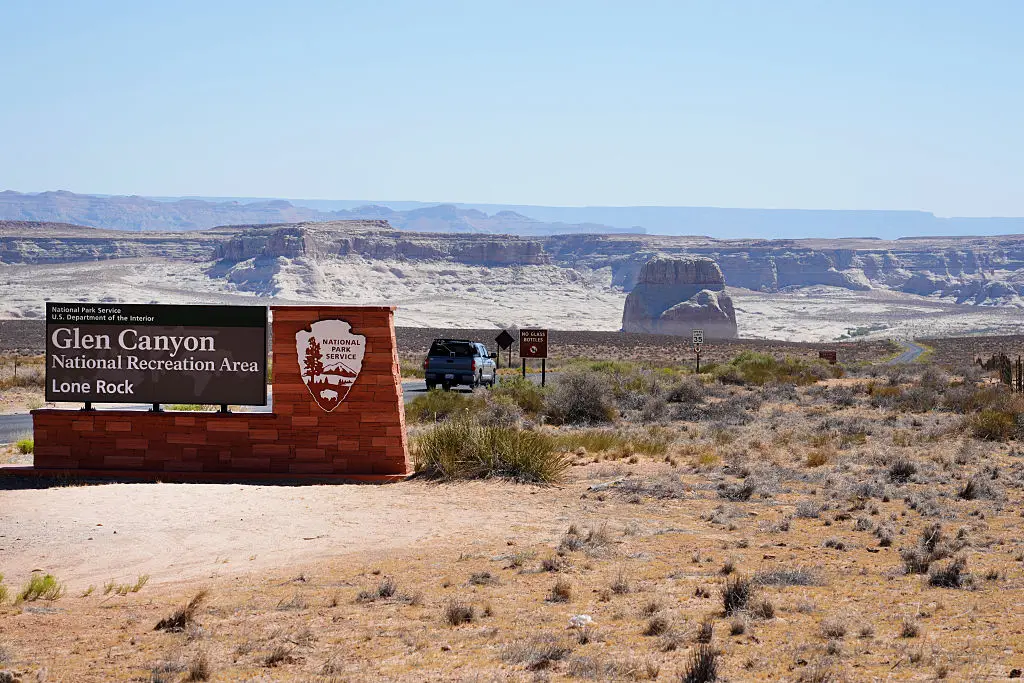
The latest alert follows a new analysis showing that Lake Powell and Lake Mead have dropped to their lowest combined level since 1957. That year predates Lake Powell itself, as the Glen Canyon Dam was still under construction.
By 12 July, Lake Powell measured 3,524 feet and Lake Mead sat just below 1,043 feet, surpassing the previous combined low recorded in March 2023. Together, those two reservoirs store just under 60 percent of all the water held in the Colorado River Basin.
Lake Powell is currently at 23 percent capacity and has hit its lowest July reading ever. Lake Mead is 27 percent full and remains less than a foot above the record low it reached in July 2022.
Jack Schmidt, director of the Center for Colorado River Studies at Utah State University and a co-author of the analysis, described the situation as ‘a milestone in the history of water storage in the Colorado River Basin’.
He said it revealed ‘the seriousness of the uniquely small amount of water that is presently stored in the basin’s reservoirs’.
Researchers believe the two reservoirs are likely to keep breaking combined storage records each day until next spring, when snowmelt runoff is expected to provide at least some replenishment.
Until then, one of the biggest concerns is the potential impact on hydropower generation.
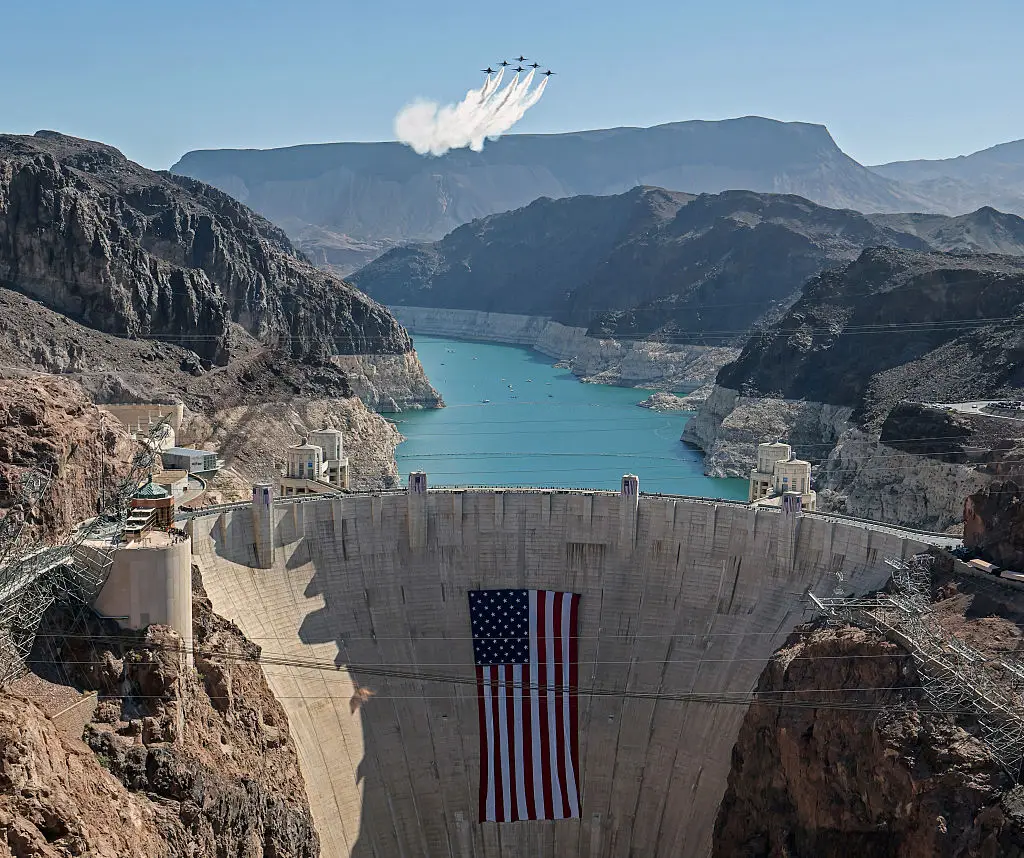
A July assessment from the Bureau of Reclamation warned that Lake Powell could reach ‘minimum power pool’ by spring 2027, a threshold at which Glen Canyon Dam would no longer be able to produce hydropower.
A Reclamation spokesperson said the report “highlights the ongoing vulnerability of the Colorado River system and reinforces the urgent need for updated guidelines and procedures”.
The agency has also said that current Colorado River operating rules are set to expire at the end of 2026, with new post-2026 guidelines now under development. Those negotiations have become a central issue for basin states, because the next operating plan will shape how water shortages are handled if reservoir levels keep falling.
Sarah Porter, who directs the Kyl Center for Water Policy at Arizona State University, said the threat may go well beyond lower electricity output.
She said: “The low reservoir levels are a dramatic signal that the system is at risk of crashing, meaning reservoir levels so low that water cannot be delivered from them.”
Over the last quarter-century, the Colorado River has declined as demand has climbed and warmer, drier conditions have reduced snowfall and available water. Nearly 95 percent of the basin is currently experiencing drought.
Federal forecasters also say the upper basin’s water supply remains well below average, with the 2026 inflow forecast for Lake Powell running at roughly 36 percent of normal. That means even a decent winter would likely not fully erase the effects of years of depleted storage.
Even if El Niño brings heavier rain or snow, Porter warned: “Even record snowpack this winter will not be enough to get us out of the danger zone.”
Schmidt added: “I worry that there remains too much hope that we will be saved by the coming winter snowpack.
“Hope and prayer is no way to run a national water system.”