


State investigators concluded that Covered Bridge Assisted Living in Holdingford was responsible for neglect after supplying resident Don Brambrink with a substantial amount of alcohol before his doctor’s appointment.
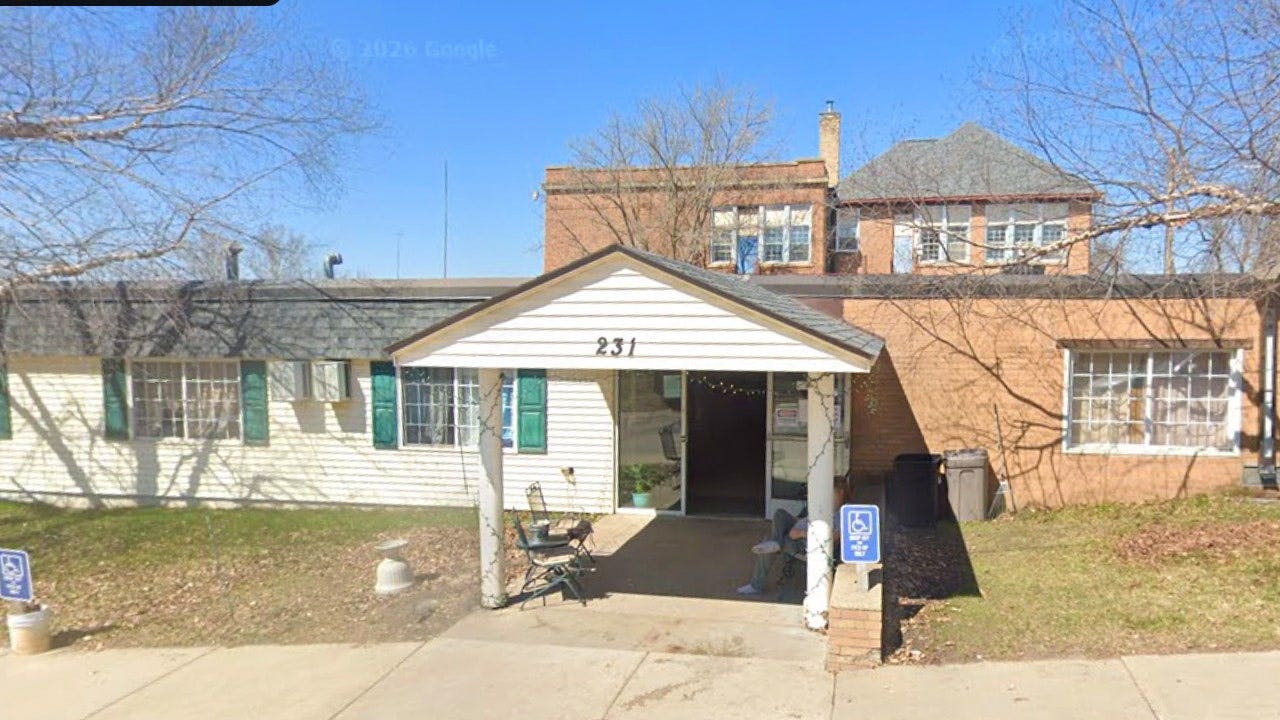
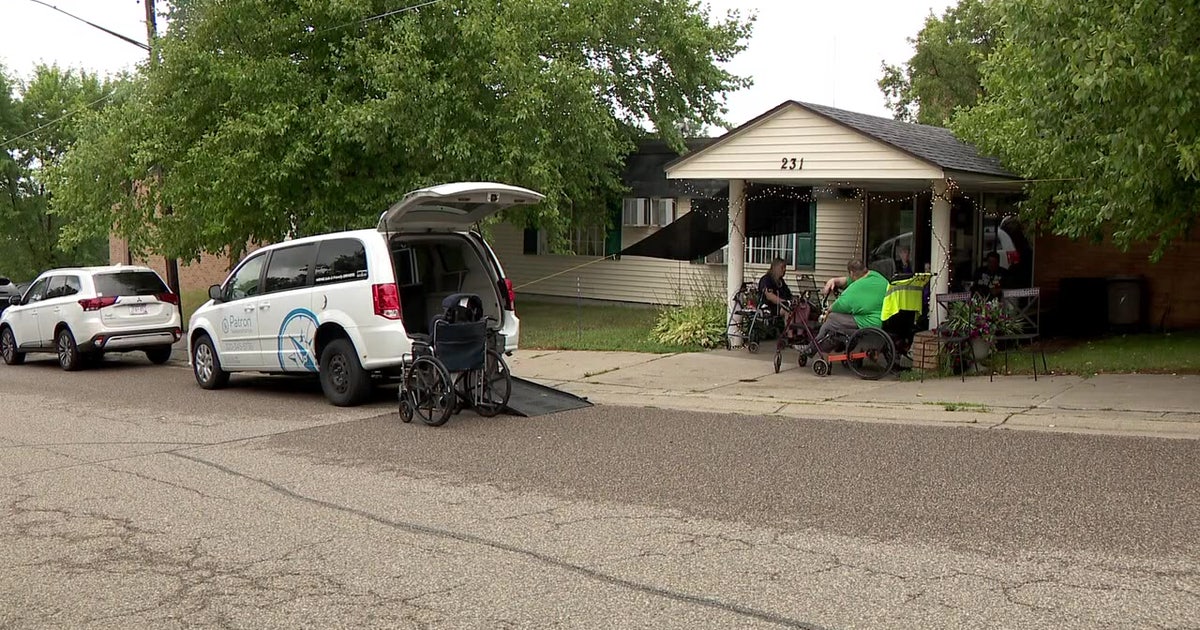
The night before the scheduled appointment, the resident was given 2 shots of alcohol at 6:54 p.m., 2 shots at 8 p.m., and 2 shots at 9:20 p.m. The morning of the appointment, staff gave the resident 2 shots at 3:55 a.m., a beer at 5 a.m., 2 shots at 5:55 a.m., 2 shots at 8:15 a.m., 2 shots at 9:15 a.m., and 2 shots at 10:55 a.m., and 2 shots at 12:30 p.m.
Authorities were alerted when Brambrink missed his scheduled telehealth appointment after drinking too much while fishing.
She found Brambrink “dead to the world” and sent him to the emergency room at a doctor’s request, where he registered a 0.23% blood alcohol content.
Holly Rudh, the facility’s registered nurse and director of nursing, described discovering him.
“I get here and he was asleep, breathing,” Rudh said. “[We] did the [delayed] appointment and [the doctor] said, ‘Well, I think he needs to go to ER.'”
The assisted care resident had numerous mental health diagnoses, including psychoactive substance abuse and anxiety, according to the report. “The resident’s assessment indicated the resident had heard voices for 40 years and was homeless prior to moving into the facility. The resident was noted to have a history of alcohol use, drank alcohol daily, and had a history of meth use,” the report read.
The facility had a typed-out “alcohol plan” for Brambrink which stipulated he gets two shots per hour because he was “trying to drown out the voices,” the report stated.
State investigators determined the alcohol administration extended beyond Brambrink.
Investigators determined the alcohol practices extended beyond a single resident. Records showed six others were tracked on alcohol logs, including one who requested alcohol 14 times in a single day.
MDH also found Covered Bridge improperly delegated alcohol administration and monitoring to unlicensed staff.
Yet both Brambrink and facility owner Trista Barstow challenged the neglect finding.
“I haven’t been neglected. They’re actually taking care of me, treating me like a king,” said Brambrink.
He added, “I haven’t taken a drop. So this place has helped me do that. I’m getting my life in order.”
Brambrink said he had not consumed alcohol since shortly after the June incident.
He says the facility helped him overcome a 40-year meth addiction and that he has not had alcohol since June 9.
Barstow defended the facility’s approach in an interview with FOX 9.
Covered Bridge’s owner Trista Barstow defended her facility’s actions in an interview with FOX 9, arguing that her facility is one of the few that will take in what she called “extreme alcoholics.” “Monitoring them and trying to help them space these things out is actually a step-up. Which, sounds insane,” she admitted.
In a statement, Barstow said the facility respects residents’ rights.
“We respectfully disagree with the cited deficiency and intend to appeal. We believe our policies, individualized care planning, and documentation reflect our commitment to resident rights, resident safety, and compliance with Minnesota assisted living regulations,” she said in a statement.
“Under the Minnesota Resident Bill of Rights, competent adult residents have the right to make lawful personal choices, including whether to consume alcohol. That includes the right to make decisions we may not agree with or recommend, including excessive drinking,” Barstow added.
She emphasized that residents purchased their own alcohol.
Our staff are not providing alcohol to residents; they are assisting residents with alcohol that belongs to the resident, just as they assist with other activities of daily living. Under the Minnesota Resident Bill of Rights, competent adult residents have the right to make lawful personal choices, including whether to consume alcohol. That includes the right to make decisions we may not agree with or recommend, including excessive drinking. Our responsibility is not to make those decisions for residents, but to educate them about the risks, assess their health and safety, monitor for concerns, and respond appropriately when intervention is needed.
The facility’s nursing director said the arrangement sounded extreme but was designed to help.
“To a normal person, it does sound insane,” said Holly Rudh, a registered nurse and director of nursing at Covered Bridge.
Barstow said the approach had led to positive outcomes for some residents.
Barstow believes that giving residents some control and monitoring their intake has led to positive outcomes, with some now only using cigarettes and non-alcoholic beers.
The facility announced it would appeal the neglect determination and improve its policies going forward.
“We’re making better pre-plans with the residents. At what point are you letting us tell you this is enough?” said Barstow.
Staff gave Brambrink 18 total shots across a 24-hour period before his scheduled telehealth doctor’s appointment on what appeared to be a day he planned to fish. He drank so heavily before his medical visit that he could not participate in it, and his blood alcohol content reached nearly three times Minnesota’s legal driving limit, requiring emergency hospitalization. The facility documented the distribution across specific times, with patterns showing clustering around meal times and the early morning hours. Authorities launched the investigation after the appointment was missed and Brambrink’s dangerous intoxication was discovered.
The July investigation is the latest in a series of state actions involving the Holdingford facility, which has faced multiple licensing investigations over the past two years. Covered Bridge disputes the findings and said it is appealing the maltreatment determination.