

Craig Berg, 70, was hoisted to safety alive and alert after a week alone on Michigan’s remote Isle Royale.
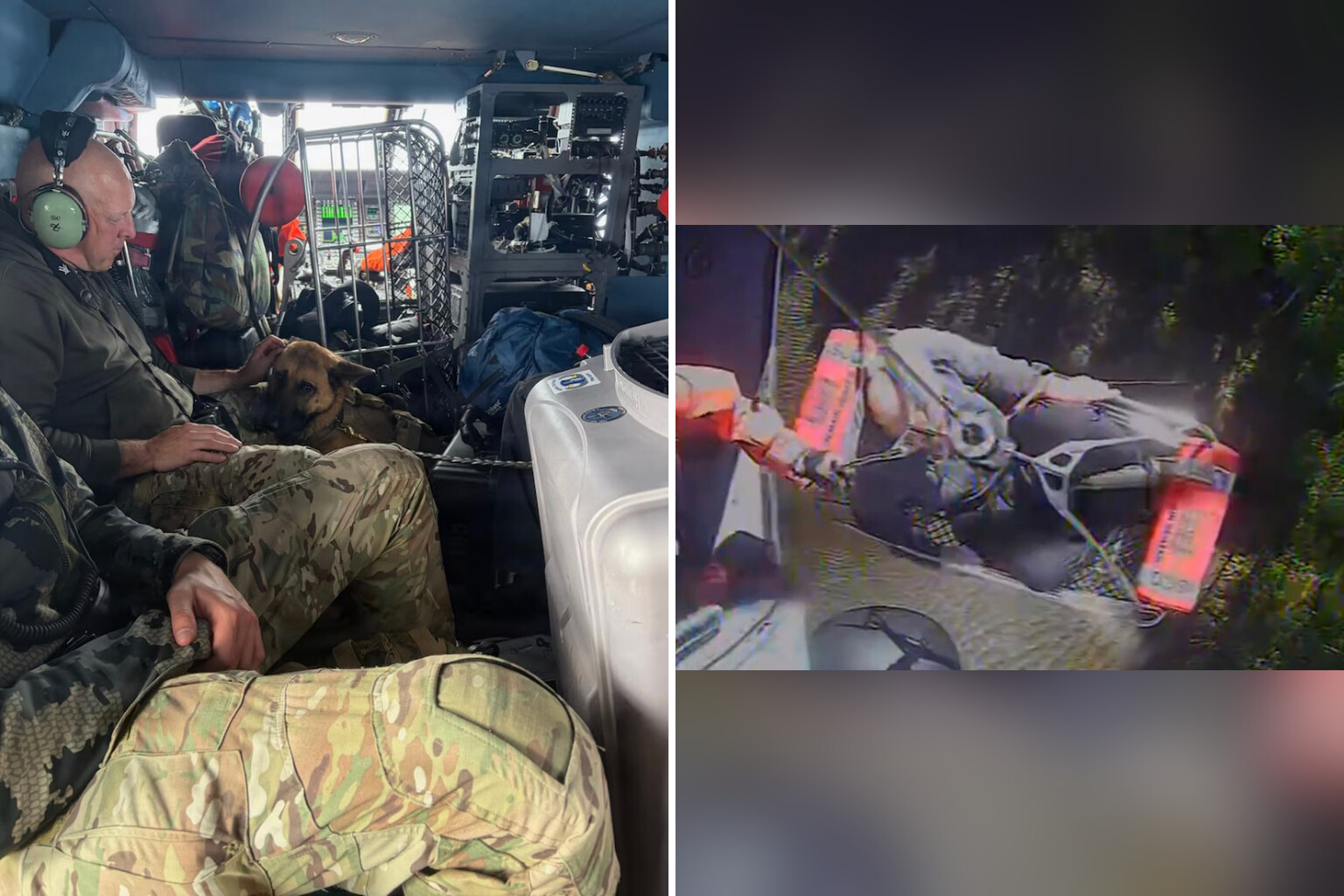
The Royal Oak adventurer was spotted by Good Samaritan backpackers on Saturday in Isle Royale National Park, where he had been stranded without cell service, drones, or motorized vehicles to aid his escape. State police and K-9 units reached the injured, hypothermic hiker with help from a US Coast Guard MH-60 Jayhawk helicopter, which lifted him from the rugged 207-square-mile wilderness near Michigan’s border with Canada.
His wife, Debbie Berg, told the Detroit Free Press that her husband had arrived for an extended solo hike and was scheduled to catch a ferry home on Sept. 5. “He went on an extended hike there and did not show up when he was supposed to, to catch the ferry back,” she said.

The Coast Guard shared dramatic footage of the helicopter rescue, showing Berg dangling from the Jayhawk as it pulled him from the vast terrain. He was transported to a hospital for evaluation, though the full extent of his injuries and the circumstances of his disappearance remain under investigation.
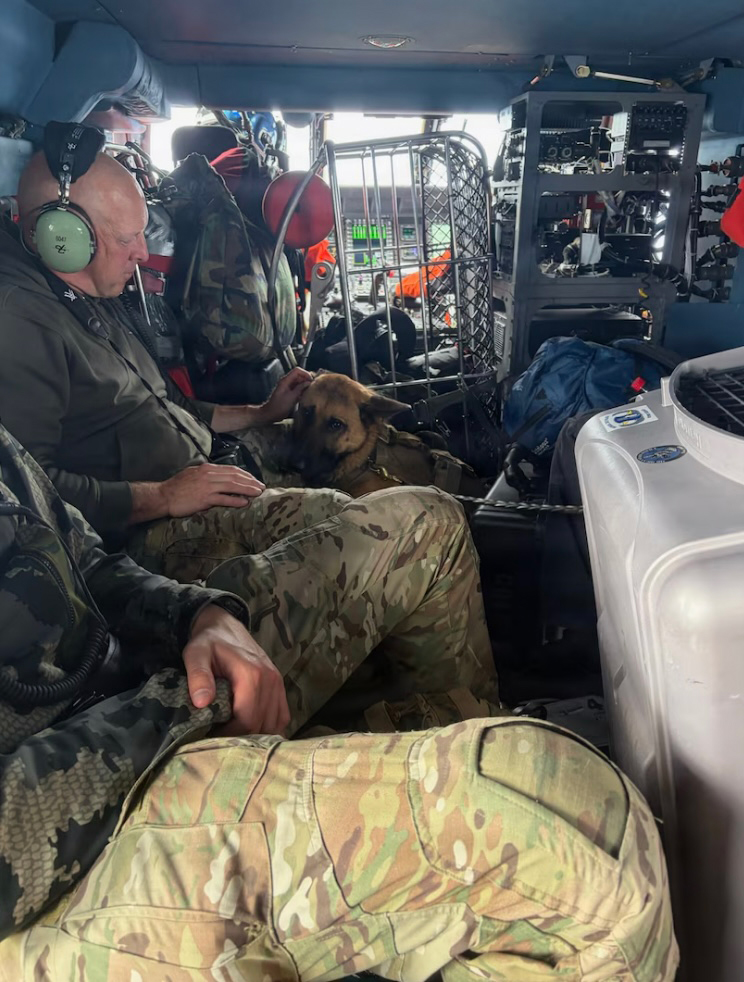
The search operation had intensified on Friday, when a 45-foot response boat and helicopter crew ferried troopers and K-9 units to the island. Lt. Ben Eckola, Michigan State Police Eighth District Public Information Officer, issued a statement expressing relief at the outcome. “We’re thankful that missing hiker, Craig Berg, was found alive and alert on Isle Royale,” he said.
Eckola continued by acknowledging the broad coalition that joined the effort. “We’re also thankful to the fellow hikers who helped, Isle Royale Seaplanes, and No One Left Behind K9 Search and Rescue. Everyone’s efforts played an important part in finding Craig,” he said.
The all-out search drew resources from the National Park Service, Michigan Department of Natural Resources, Keweenaw County Sheriff’s Office, Wisconsin State Patrol, and Minnesota Department of Public Safety. Isle Royale’s extreme isolation — no cars, no drones, no reliable communication — had complicated the mission from the start.

Berg’s survival for seven days in terrain described by officials as extremely rugged underscores both the peril of solo wilderness trekking and the critical role of chance encounters in remote rescues. The backpackers who spotted him effectively became his lifeline in an environment where self-rescue was virtually impossible.