The Upper Midwest is becoming the next major battleground for Democrats’ internal struggle between progressive and moderate factions, with consequential races in Minnesota, Michigan and Wisconsin that will test whether economically populist candidates can compete beyond deep blue enclaves where they have found recent success.
Democratic voters in these three states will cast ballots in August primaries that have become emblematic of the party’s deeper ideological divide. The contests pit establishment-backed moderate candidates against insurgent progressives backed by high-profile figures like Senators Bernie Sanders and Elizabeth Warren. The results could reshape the Democratic Party’s direction and prove critical to the party’s hopes of reclaiming Senate control in the midterm elections.
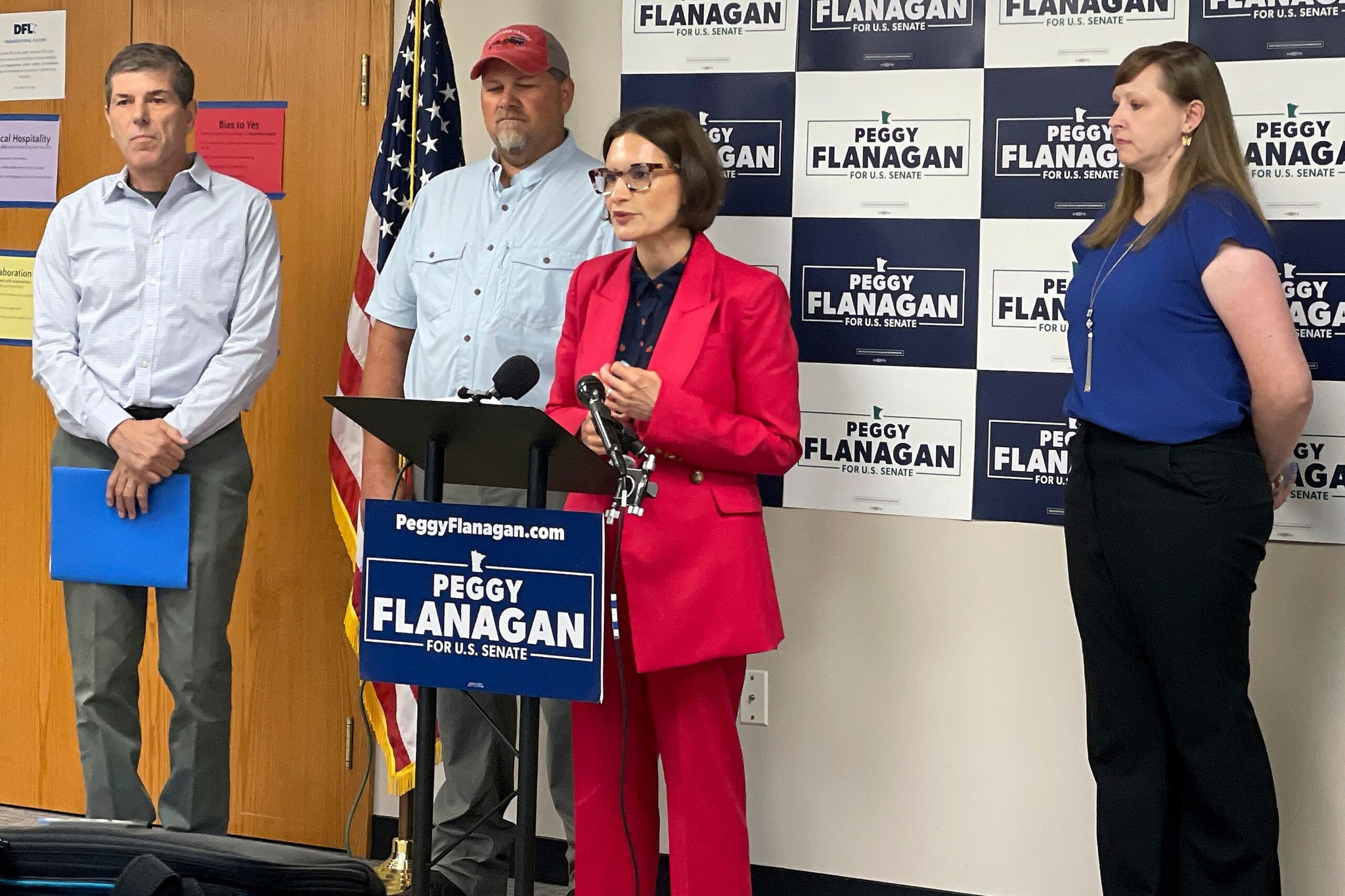
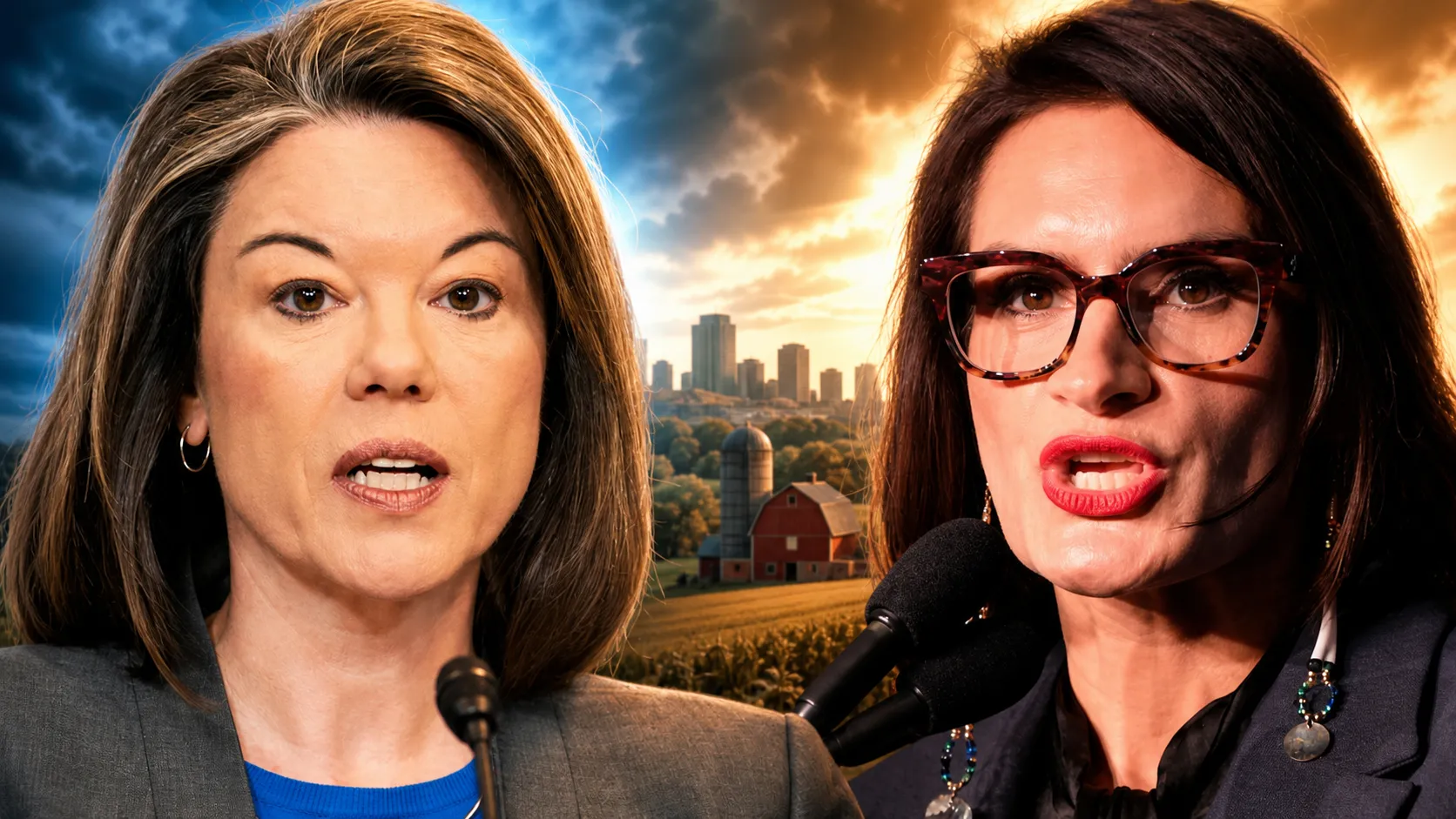
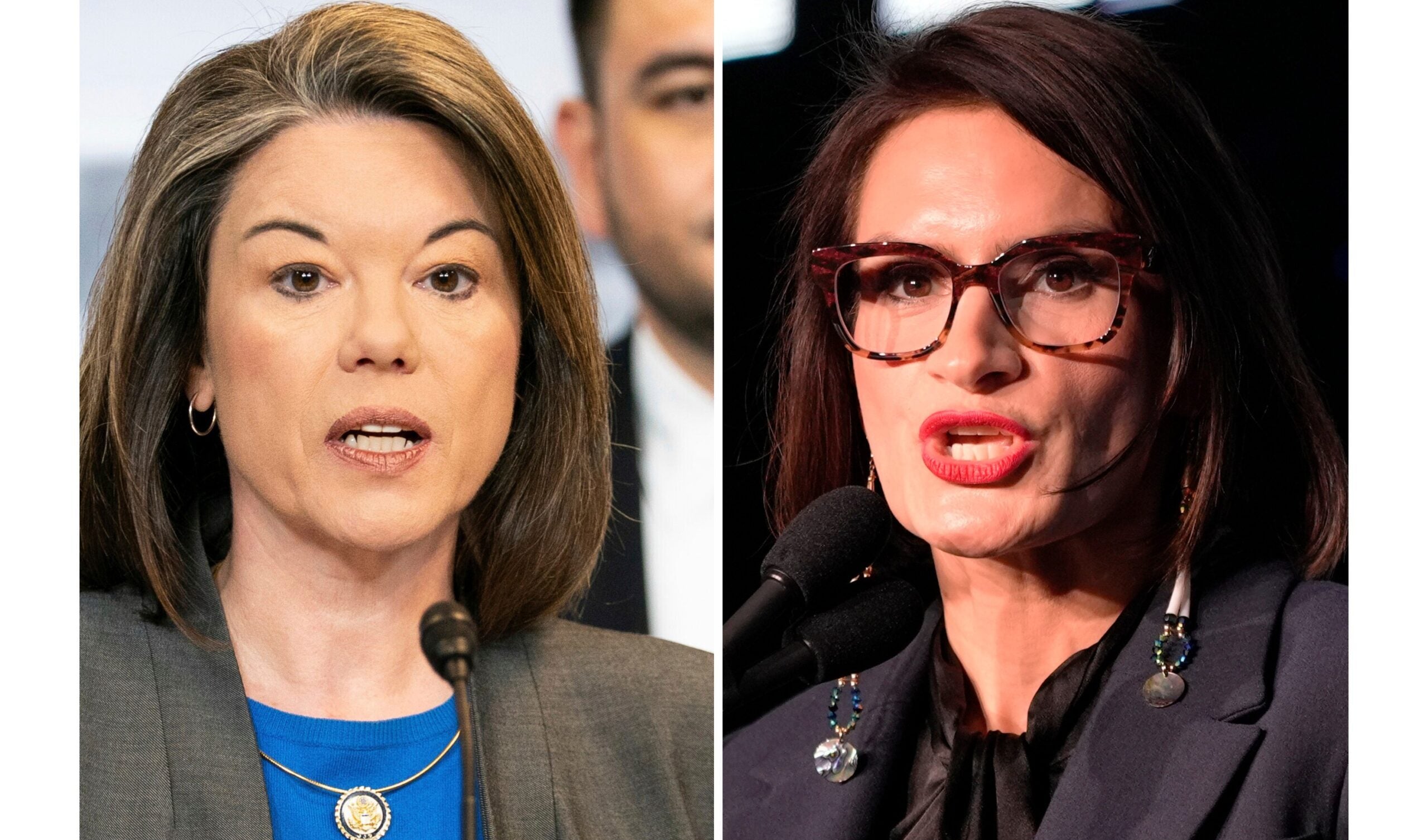
Minnesota’s Democratic U.S. Senate primary on August 11 features one of the most bitter intra-party clashes. U.S. Representative Angie Craig, a more conventional Democrat backed by House Minority Leader Hakeem Jeffries and other senior Democratic leaders, is facing Lieutenant Governor Peggy Flanagan, a progressive candidate endorsed by Sanders and Warren. Both are running to fill the seat being vacated by Democratic Senator Tina Smith.
Flanagan has attacked what she calls “secretive dark money groups and special interests” working on behalf of Craig, arguing that corporate-backed Democrats are blocking the policies working families need to afford their lives. Craig, meanwhile, has criticized progressives for gambling with winnable races through what she characterizes as poor campaigning and vetting of candidates. She specifically cited the recent collapse of Democrat Graham Platner’s Senate campaign in Maine after he faced a sexual assault allegation, which he denies.
In Michigan, Representative Haley Stevens is running against progressive Abdul El-Sayed for the Democratic Senate nomination in a race Democrats must win to hold the seat being vacated by retiring Senator Gary Peters. Peters initially signaled neutrality but recently abandoned that stance to endorse Stevens, arguing she “will be ready on day one to fight for Michigan.” Party leaders have increasingly rallied behind Stevens as concerns grow about whether El-Sayed is too far left to win a general election. The Michigan primary takes place August 4, one week before the Minnesota and Wisconsin contests.
Wisconsin’s Democratic gubernatorial primary on August 11 is unusually crowded and wide open. Democratic socialist state Representative Francesca Hong has surged in recent months and finished second in a state Democratic Party convention straw poll. She faces more conventional Democratic contenders including current Lieutenant Governor Sara Rodriguez and former Lieutenant Governor Mandela Barnes. The race highlights a central question Democrats are grappling with: whether to nominate a candidate who appeals broadly to general election voters or one who excites the party’s progressive base.
In each of these contests, progressives hope to prove that an economically populist message can resonate with voters across the country, not just in reliably Democratic enclaves like New York City and Denver. But Democratic leaders worry that these insurgent candidates could damage the party’s brand and jeopardize Democrats’ chances of retaking either chamber of Congress in the fall or maintaining gubernatorial control in battleground states.
The timing of these primaries has taken on heightened importance for both camps. After Democrats experienced notable progressive successes earlier in 2026, party establishment figures now view the Upper Midwest races as crucial tests of electability. Progressives, meanwhile, see them as their last remaining opportunity to shape the Democratic Senate caucus after the Platner debacle in Maine threatened to cost the party a pickup opportunity.
Millions of dollars in political ads have saturated televisions and digital platforms in Minnesota, making the Senate primary one of the most expensive and visible battles between moderate and progressive Democrats in the country. Campaign messages focus on electability, ties to corporate interests and which candidate is best positioned to stand up to the Trump administration in Washington.
The Upper Midwest outcomes will likely reverberate far beyond these three states, offering crucial insight into where Democratic voters stand as the party prepares for the general elections. August primaries in Michigan, Wisconsin and Minnesota will serve as another gauge of Democratic voters’ frustration with the establishment and their appetite for transformative change versus experienced, moderate leadership.