

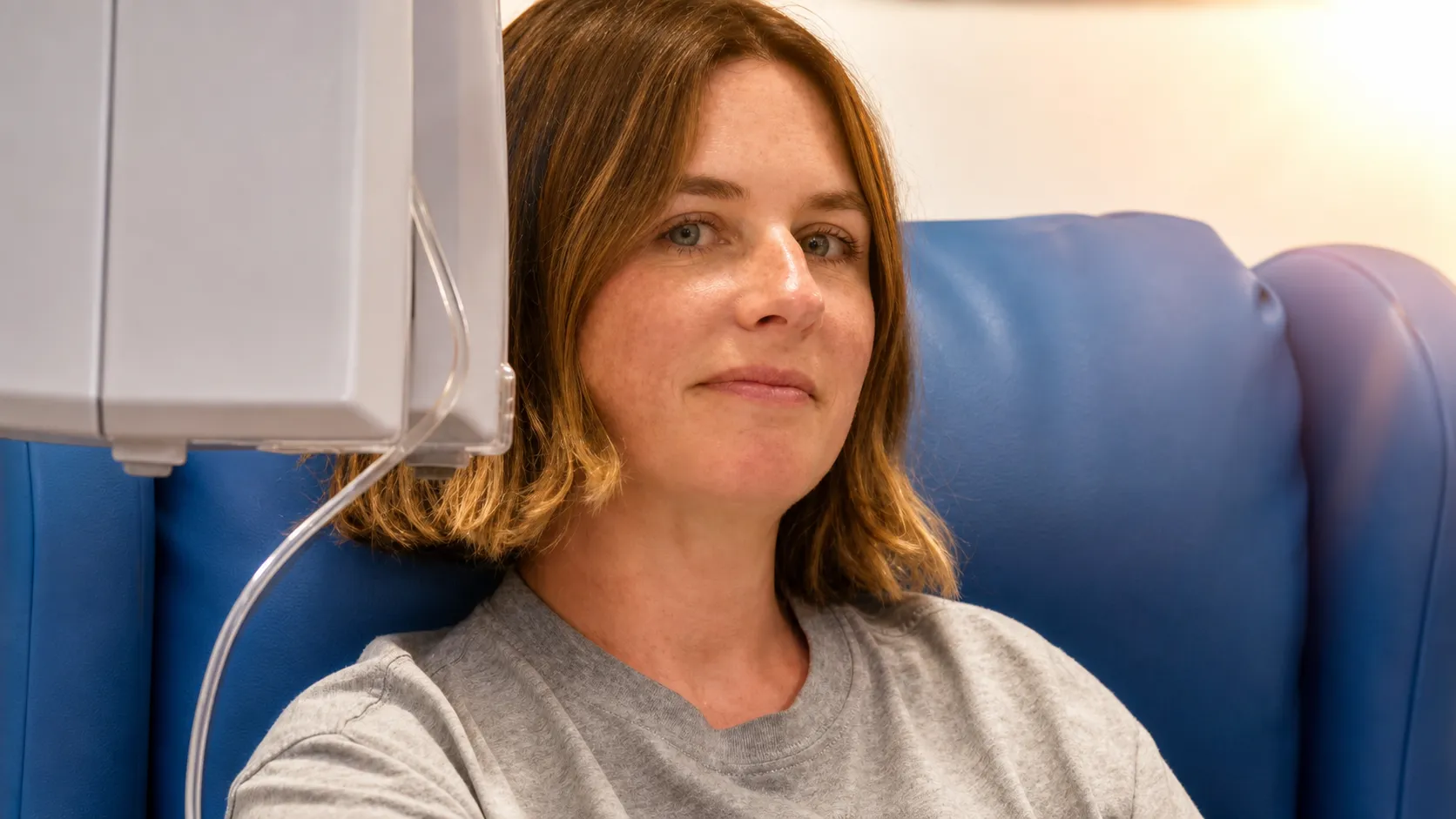
A British mum has reflected on the sun-soaked trips she took as a teenager and young adult, saying she now believes they played a major role in a serious illness that later turned her life upside down.
Sarah Goldup said that around two decades ago, holidays with friends were often centred on one goal: getting as much of a tan as possible before returning home.
Now 42 and working as a freelance copywriter, she explained that although she never used sunbeds, her skin was still heavily exposed during those years abroad.
“I was never a sunbed user but that was the era of girls’ holidays when it was all about flying off to the sun and getting a tan,” she said.
She particularly remembers a holiday to Tenerife when she was 19. While some of the friends she travelled with had darker skin and were able to tan more easily, Sarah said her Irish background left her much more vulnerable to sunburn. At the time, she used oil rather than sunscreen.
“Some of my friends had darker skin but I’m from an Irish background and I used oil instead of sunscreen, so I got really burnt,” she explained.
Looking back, Sarah believes that kind of sun damage had lasting consequences. When she was 38, she was diagnosed with stage three melanoma, a type of skin cancer, and she suspects the roots of it go back to those holidays years earlier.
Melanoma is the most serious form of skin cancer and remains one of the UK’s most common cancers, with around 19,400 new cases diagnosed each year. Cancer experts say many cases are preventable, and that a history of blistering sunburns, especially in childhood and the teenage years, can raise the risk later in life.
“I was diagnosed with melanoma when I was 38, so I’m pretty sure the damage happened then but only started to emerge years later,” she said.

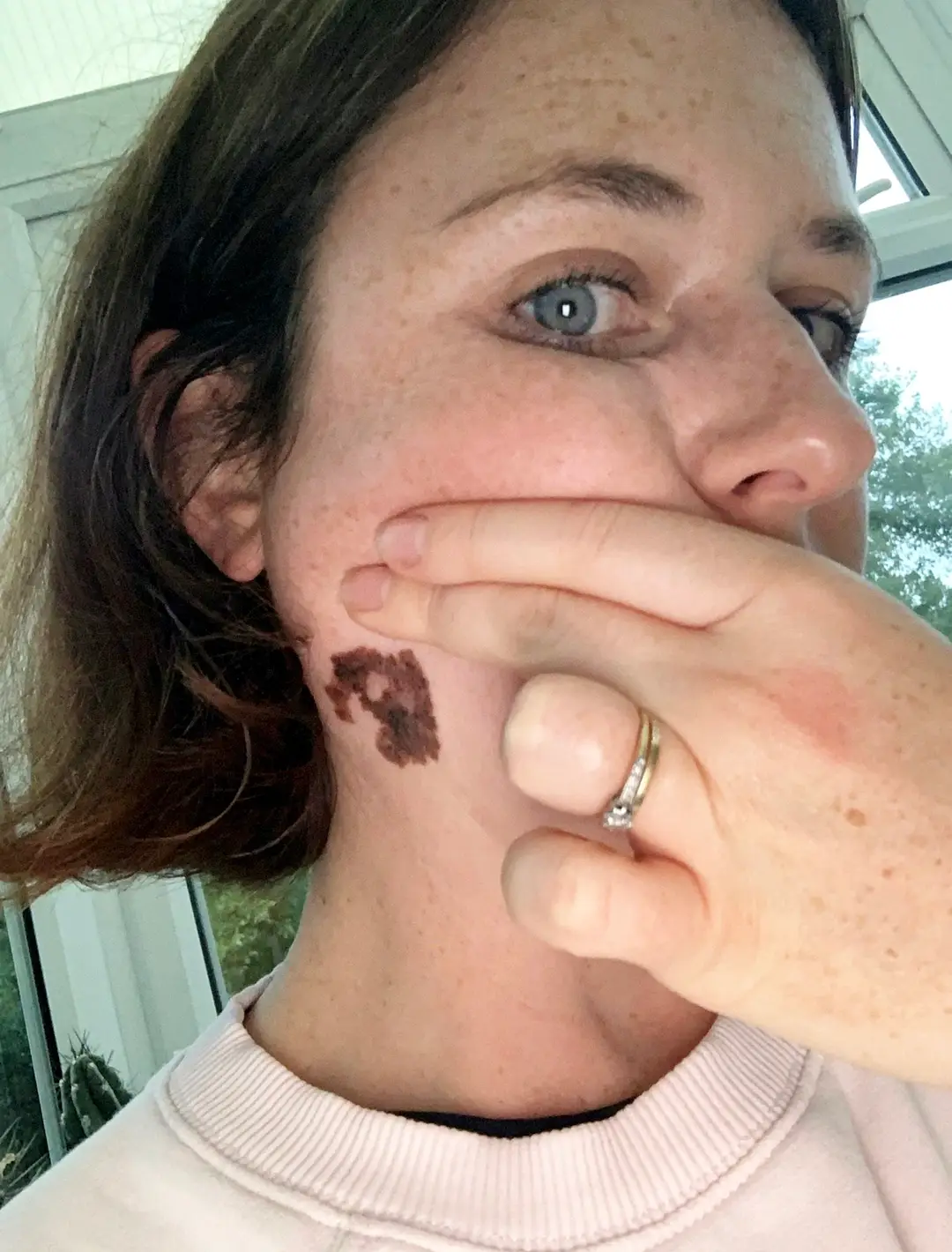
Sarah said she had been aware of a mark on her neck since her teenage years and had always assumed it was simply a birthmark. Only after it began to change in colour and shape did she decide to get medical advice.
“During that time, I told myself it was nothing to worry about. But then I got a call asking me to go into the surgery and was told it was malignant melanoma,” she said. “It was both shocking and upsetting.”
She went on to have two operations to remove cancerous tissue: one on her neck and another on her chest, after doctors identified a second melanoma. At first, she was told everything was clear. Then, in August, she started a year-long course of immunotherapy to reduce the chances of the cancer returning.
That changed in November 2024 when she discovered a swollen lymph node in her neck, on the same side where the original melanoma had appeared. Tests later confirmed the cancer had returned. She then underwent more surgery, during which 35 lymph nodes were removed, with 25 found to be cancerous.
Stage 3 melanoma means the cancer has spread to tissue between the original tumour and nearby lymph nodes, or to the lymph nodes close to where the melanoma began. Treatment commonly includes surgery and cancer drugs, and in recent years immunotherapy has become an increasingly important option for helping lower the risk of recurrence.
In April 2025, Sarah began a three-month round of combination immunotherapy treatment. She is now continuing with maintenance treatment every four weeks, which is due to continue until April 2027. Since then, her scans have remained clear.
“I’m doing everything I can, I eat well, I exercise every day, I cover up in the sun and I use factor 50 sunscreen every day, even in the winter,” she said.
Sarah and her husband, Lee Goldup, have two sons, 10-year-old Lucien and seven-year-old Rafferty. She said her experience has made her especially careful about protecting their skin, even if they are not always enthusiastic about it.
“I make them wear sunscreen and hats, they don’t particularly like it, but it’s so important,” she said. “It’s not just lighter-skinned people who get skin cancer, darker skins can get it too. And you don’t have to go on a plane to get it, the sun here can also damage your skin.”
Health agencies say the best protection includes seeking shade, wearing clothing that covers the skin, using a wide-brimmed hat and sunglasses, and applying a broad-spectrum sunscreen regularly. Experts also warn that tanning beds and sunlamps expose users to high levels of ultraviolet radiation and increase the risk of melanoma.
“It could have been a different story for me, but thanks to advances in research and treatment, I’m still here and looking forward to enjoying more summers with my family and friends,” Sarah added.