

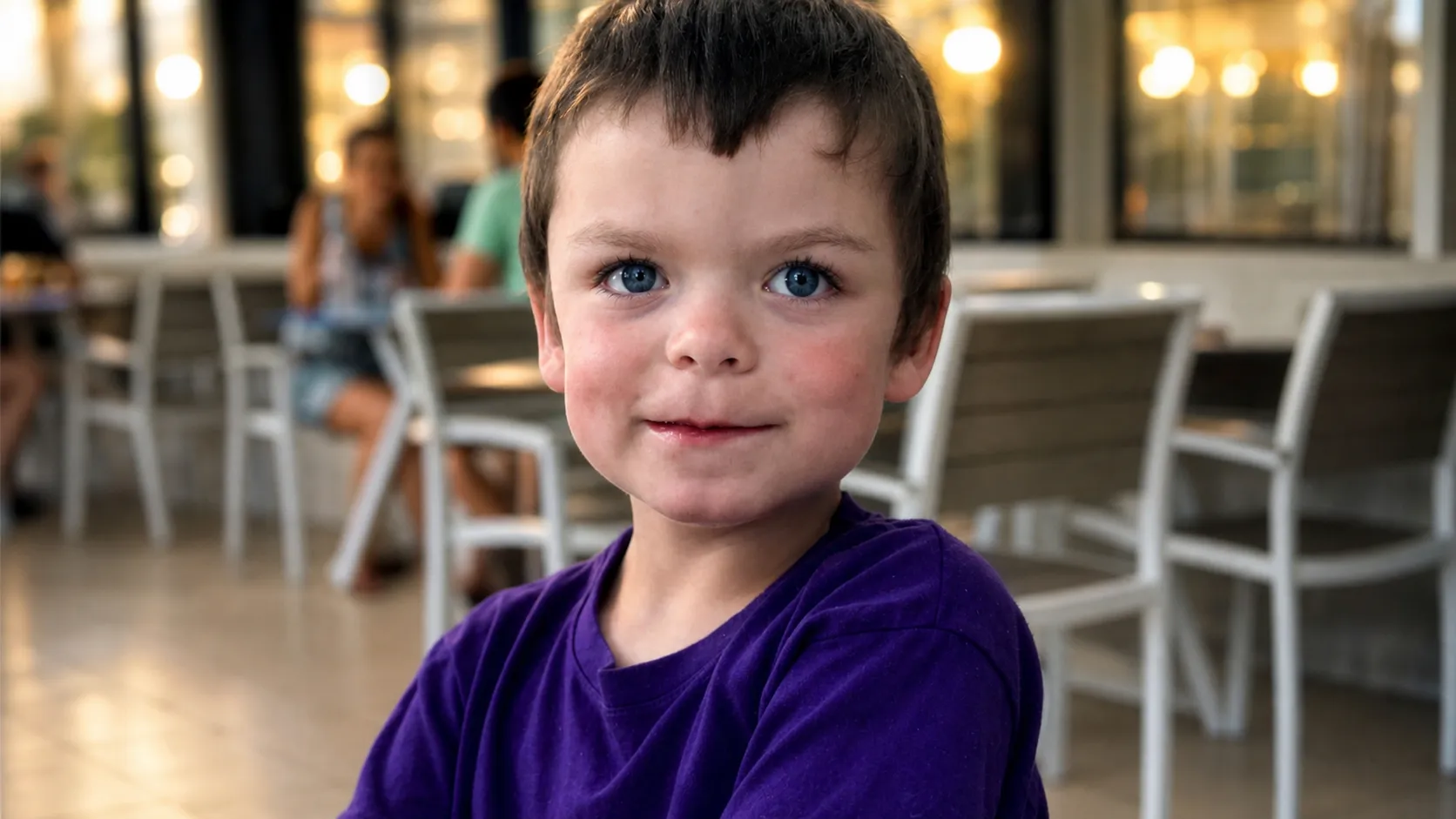
A mother has opened up about the early signs in her two-year-old son that seemed almost “too good to be true” — before they were eventually linked to what is often described as “childhood dementia.”
Tammy McDaid, 34, first sought medical advice for her son Tate after noticing a few unusual traits. At the time, she suspected they might point to something mild rather than anything life-changing.
Instead, she and her family were drawn into what became a long and deeply painful search for answers.
The Wales-based mom said Tate was generally a cheerful child, but she noticed he rarely made eye contact unless she “sang” to him. She also said he was not a child who would typically cry or fuss.
Because he seemed “too good to be true,” Tammy took him to NHS doctors, where an apparent bump on his head raised concern.
After Tate underwent a CT scan at Birmingham Women’s and Children’s Hospital, doctors raised the possibility that he could have a syndrome sometimes referred to as “childhood Alzheimer’s,” a condition associated with a devastating outlook.

The family was then referred to Noah’s Ark Children’s Hospital in Cardiff, where Tate was seen by the metabolic team.
Tammy said the condition was later taken “off the table,” and she was told that Tate — who is also autistic — did not have it, despite physical traits she believed matched the disorder.
But 18 months later, Tate was diagnosed with the syndrome after all, a condition that could eventually leave him dependent on lifelong care and medical equipment.
That illness is Sanfilippo syndrome, a rare neurodegenerative metabolic disorder that currently has no cure, according to the Cure Sanfilippo Foundation.
Sanfilippo syndrome type A, also known as MPS IIIA, is a rare inherited lysosomal storage disease that affects the brain and usually begins in early childhood. It is caused by changes in the SGSH gene and can lead to progressive developmental, language, cognitive and motor decline, along with behavioral changes, sleep problems, seizures and early death. The condition is sometimes called “childhood dementia” because of the way it causes children to lose skills over time.
Tate was diagnosed in September 2025, and Tammy says emerging gene technology may help stop further cognitive decline. However, the treatment could cost between £1.5 million and £3 million ($2 million and $4 million).
The Cure Sanfilippo Foundation says the condition, also known as Mucopolysaccharidosis type III or MPS III, is ‘a terminal, neurodegenerative’ disease that ’causes children to lose all the skills they’ve gained, suffer seizures and movement disorders, experience pain and suffering, and then die, often before the second decade of life.’
“Because of its neurodegenerative nature and multi-system impact, Sanfilippo Syndrome is often called ‘childhood Alzheimer’s’ or ‘childhood dementia,’” it adds.
There are also physical features associated with Sanfilippo syndrome — the same ones Tammy said she recognized in Tate even before his diagnosis was confirmed.
Those features can include full lips, coarse eyebrows and a button nose.
Tammy told Talk to the Press: “When it was first mentioned, I went on social media and saw other children that looked exactly like my son. But then the experts said it wasn’t that so I doubted myself. In August 2025, they called me back in for a meeting with a genetic doctor and a metabolic doctor.”
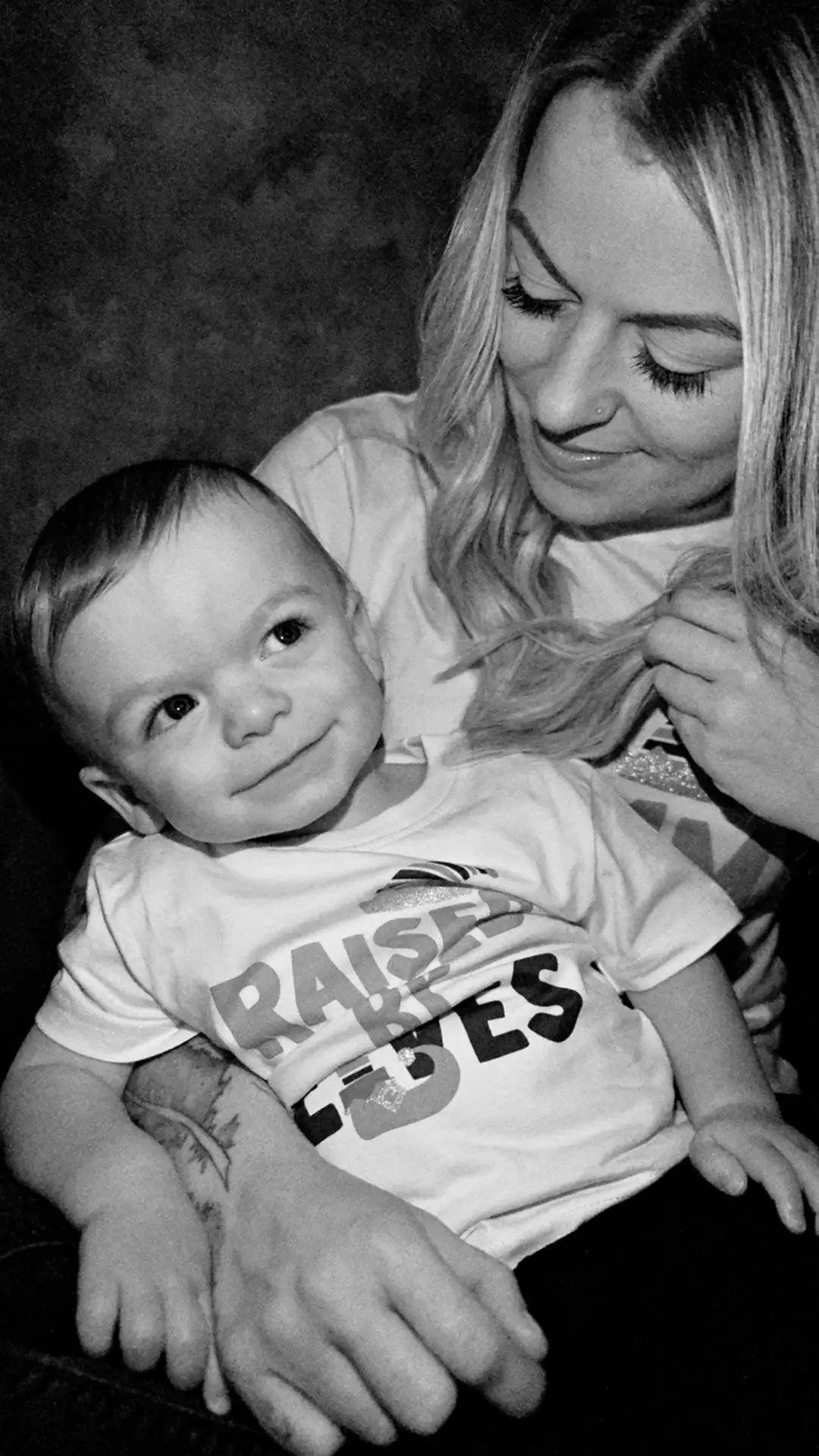
She said: “this is where we were told Sanfilippo was on the table and it could be Type A, the worst one.”
“It was mid-September when we got the official diagnosis of Sanfillipo Type A,” the mom revealed, which is the most advanced form of the condition.
Tammy said: “As it progresses, Tate will start losing the ability to eat, walk, communicate.
“The brain damage takes over and he will become completely bed bound and dependent on machines. It completely overrides the body and is the absolute worst way for someone to die, but you just don’t know when it will happen because it’s so rare.”
She said the delay in Tate’s diagnosis meant the family lost the chance to enroll him in US clinical trials for a potentially groundbreaking gene therapy.
Now, Tammy says they are waiting to see whether the treatment could receive FDA approval in September — though if it does, she will then face the challenge of raising enough money to access it.
One treatment that has been resubmitted for FDA approval for Type A is UX111 AAV, by Ultragenyx.
It is also known as rebisufligene etisparvovec, and Ultragenyx says the therapy is an investigational AAV9 gene therapy being studied for Sanfilippo syndrome type A. In April 2026, the company said the FDA had accepted its resubmitted application for review and set a PDUFA action date of September 19, 2026.
The company is set for a September start date, which may be the one Tammy is waiting for.
“The FDA’s acceptance of the BLA for UX111 brings us closer to the possibility of a first-ever therapy for Sanfilippo syndrome Type A—a milestone that we recognize cannot come soon enough for families facing this devastating diagnosis,” said Emil D. Kakkis, M.D., Ph.D., chief executive officer and president of Ultragenyx. “We appreciate the FDA’s prompt acceptance of the resubmission and look forward to working with the Agency throughout its review in order to bring this treatment option to the Sanfilippo syndrome community as quickly as possible.”
Tammy is now fundraising through Just4Children in the hope of securing enough support to pay for Tate’s treatment.