

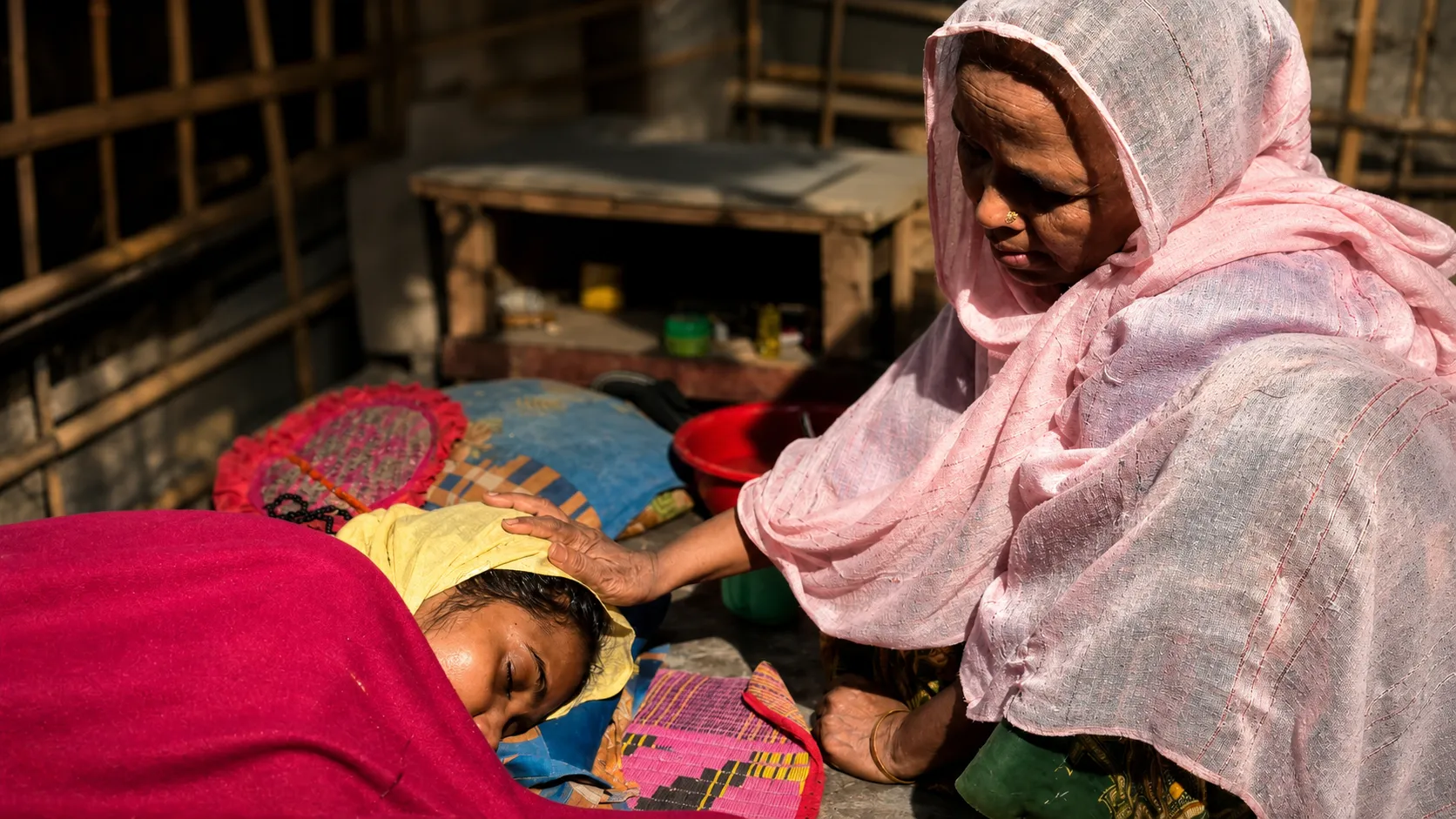
More than 500 people are feared dead following reports that two boats carrying members of Myanmar’s persecuted Rohingya minority have capsized in the Bay of Bengal, the United Nations warned Thursday. The deaths underscore the escalating humanitarian crisis facing the stateless ethnic group, who continue undertaking perilous maritime journeys in desperate search for safety and better opportunities.
According to preliminary information released by the International Organization for Migration and the UN Refugee Agency in a joint statement, the two vessels departed from Myanmar’s western state of Rakhine in late June, carrying mostly Rohingya passengers. Some had reportedly traveled from the massive refugee camps in Cox’s Bazar, Bangladesh, where more than a million Rohingya refugees who fled from Rakhine live in overcrowded, squalid conditions.
The first boat, believed to have been carrying around 250 people, lost contact shortly after departure. A second vessel, reportedly carrying approximately 280 people, is believed to have sunk off Myanmar’s Ayeyarwady coast on July 8. The combined total of those feared lost in both incidents surpasses 500, though the exact casualty figures have not been officially confirmed by authorities.
“While the incidents and casualty figures have yet to be officially confirmed, UNHCR and IOM are gravely concerned by the potentially devastating loss of life,” the agencies said in their statement. Authorities are continuing to verify details surrounding the reported sinkings and working to determine the precise number of people aboard each vessel.
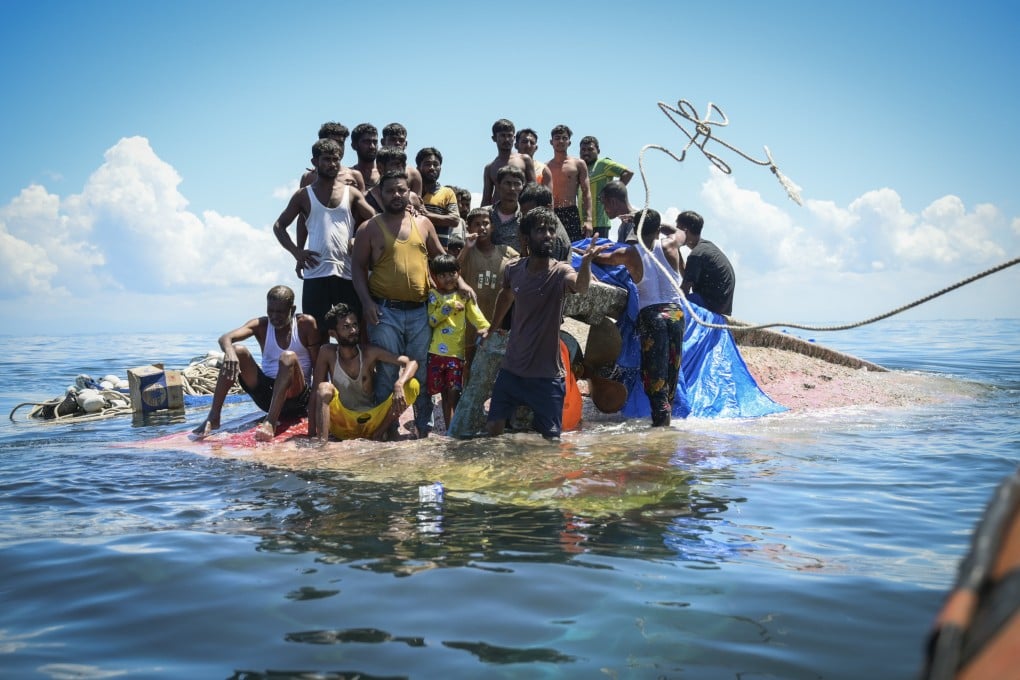
The maritime tragedies come at a particularly dangerous time, as the UN agencies noted that these journeys took place outside the regular sailing season, when monsoon conditions and rough seas make the waters particularly hazardous. Recent torrential rain and flooding across the region have further increased the risks associated with such sea movements. The Rohingya typically avoid such boat journeys during this period due to the especially perilous conditions at sea.
Desperation is driving an ever-increasing number of Rohingya to risk their lives aboard overcrowded, unseaworthy vessels in search of new lives. Members of Myanmar’s Rohingya Muslim minority have for years risked their lives on flimsy wooden boats, driven by violence and persecution at home and desperate conditions in refugee camps in Bangladesh. They typically aim to reach Malaysia, Indonesia, or Thailand in hopes of finding safety and better economic opportunities.
The humanitarian crisis has intensified dramatically in recent months. Steep cuts to foreign aid by the United States and other countries have led to sharp ration cuts in Bangladesh’s refugee camps. Simultaneously, escalating military conflict in Myanmar’s Rakhine state between the ruling military and ethnic armed organizations has left many Rohingya trapped between armed groups with few options for safety. Fighting continues to displace people and worsen conditions in the region.
Around 1.2 million stateless, predominantly Muslim Rohingya remain trapped in overcrowded refugee camps in Bangladesh after fleeing successive waves of violence by Myanmar’s security forces. The refugees have no way to safely return to Myanmar, where the military that orchestrated the killing of thousands during what the United States declared a genocide in 2017 remains in control. Those Rohingya still living in Myanmar face severe restrictions on movement and many are confined to internment camps.
The scope of tragedy at sea has grown alarmingly. Nearly 300 people are reported to be missing or dead in the Andaman Sea and Bay of Bengal this year alone, including Rohingya refugees and Bangladeshi nationals. The figures underscore the dire straits facing the refugee population. Last year was the deadliest on record for Rohingya attempting sea crossings, with more than 6,500 fleeing by boat and nearly 900 reported dead or missing. The Bay of Bengal and Andaman Sea route has become the world’s deadliest maritime corridor for refugees and migrants, with the highest mortality rate of any major route for refugee and migrant sea journeys globally.
Already this year, more than 5,400 Rohingya have attempted similar journeys by boat, with 540 people reported dead or missing. Thousands have perished in the process over the years, including babies, children, and pregnant women. Local maritime authorities have frequently abandoned the Rohingya at sea, often ignoring reports of boats in distress, compounding the tragedy of these journeys.
The UN agencies said the latest potential tragedy underscores the continued lack of sustainable solutions for the Rohingya and urged the international community to provide stronger support for those trapped in Bangladesh’s camps. They emphasized that stronger regional and international efforts are urgently needed to prevent further loss of life, including through enhanced search and rescue efforts, access to asylum and protection, and actions against smuggling and trafficking networks that exploit desperate people seeking safety.
The reported incidents also highlight the persistent risks posed by smuggling and trafficking networks, which continue to exploit the desperation of Rohingya families seeking to escape persecution and deprivation. These networks operate by making false promises of jobs, safety, and better living conditions to vulnerable populations, then load people onto dangerously overcrowded and often unseaworthy vessels with little regard for their safety.
Human rights organizations and UN agencies have repeatedly warned that the current situation is unsustainable. They stress that without durable political and humanitarian solutions, more Rohingya will continue attempting these deadly sea crossings. The need for international action—including sustained funding for refugee camps, diplomatic pressure on Myanmar regarding the plight of the Rohingya, and coordinated maritime search and rescue operations—has never been more urgent.