

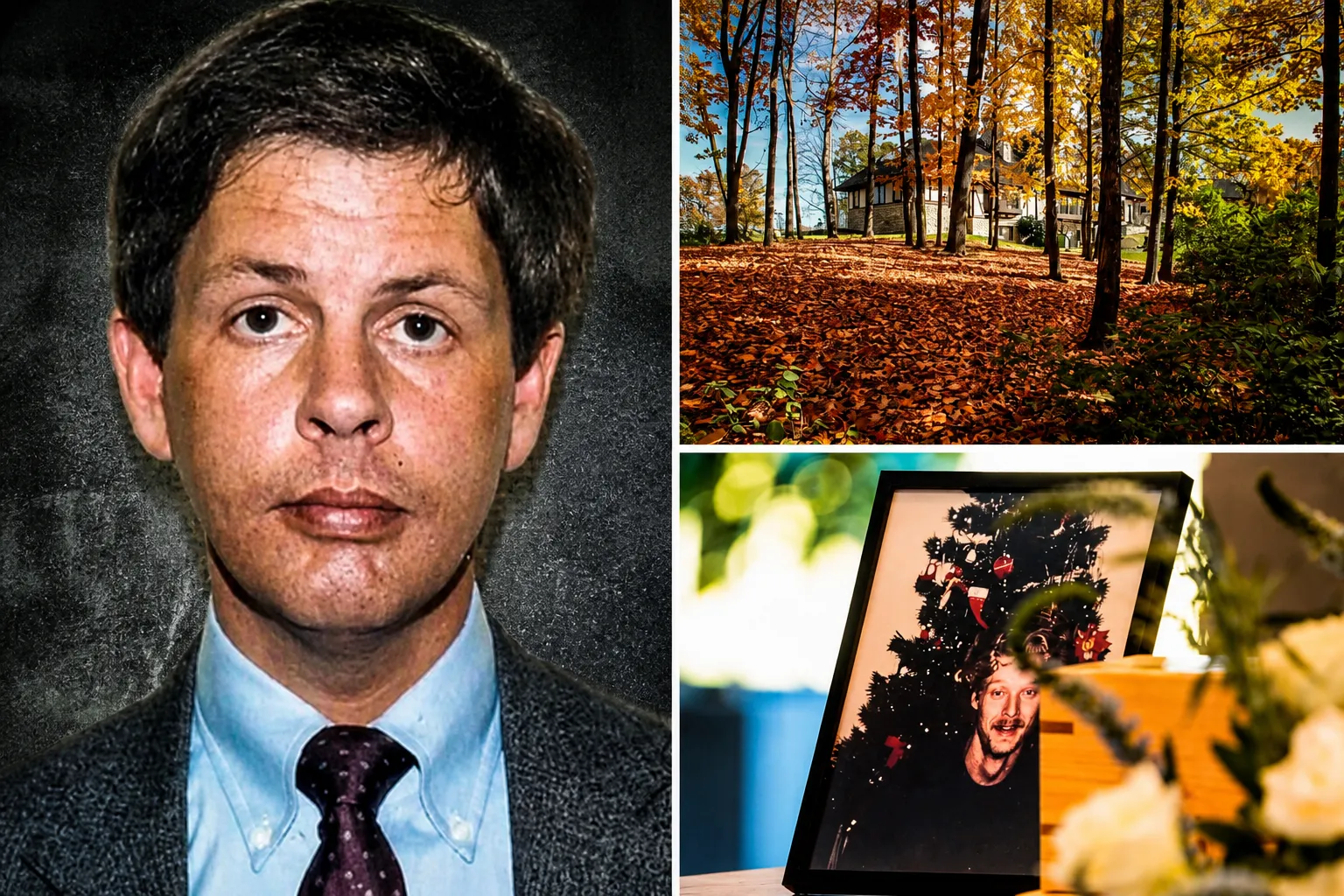
Hamilton County Coroner Jeff Jellison is openly challenging the credibility of a central witness in the Fox Hollow Farm investigation.
Jellison, who is leading the renewed probe into suspected serial killer Herb Baumeister, said that he has spoken with Mark Goodyear twice and found him wanting. “The first question I would ask him is, ‘Are you ready to be honest with me?'” Jellison said. “Because in the conversations we’ve had, he’s not been honest. I’ve asked him questions that I knew the answer to, and he didn’t pass that test.”
Goodyear, who has never been charged with any crime related to the case, has repeatedly denied involvement in the disappearances. He initially agreed to participate in a follow-up documentary but did not appear for his scheduled interview, according to the film. Jellison emphasized that despite his doubts about Goodyear’s truthfulness, Goodyear is not a suspect. “There are very strong indications there is another suspect, and it wasn’t Mark Goodyear,” Jellison said in the ABC News Studios documentary “Return to Fox Hollow: New Victims, Darker Secrets.”
The coroner believes Goodyear possesses knowledge that could prove critical to identifying victims and determining causes of death. “Mark Goodyear knows a lot about this case,” Jellison stated. He noted that Goodyear’s connections through Indianapolis gay nightclubs could help investigators put names to remains. “If we move forward in that conversation, certainly I want to know any information I can gather to help identify these remains,” Jellison added. “Were you familiar with anybody? Things that would focus more around identification and how these people died.”
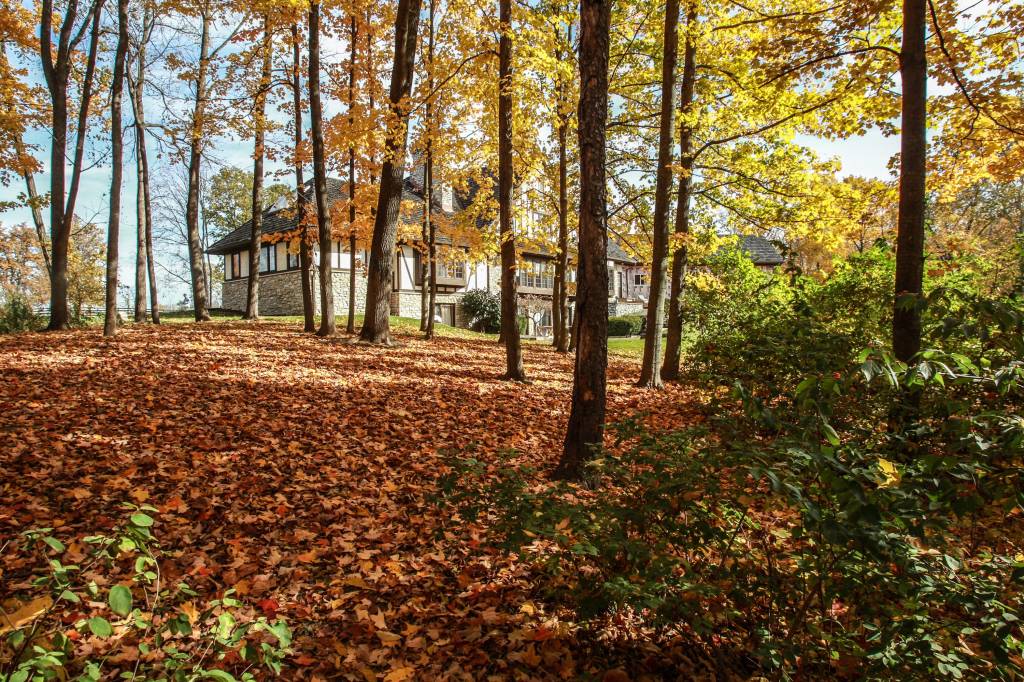
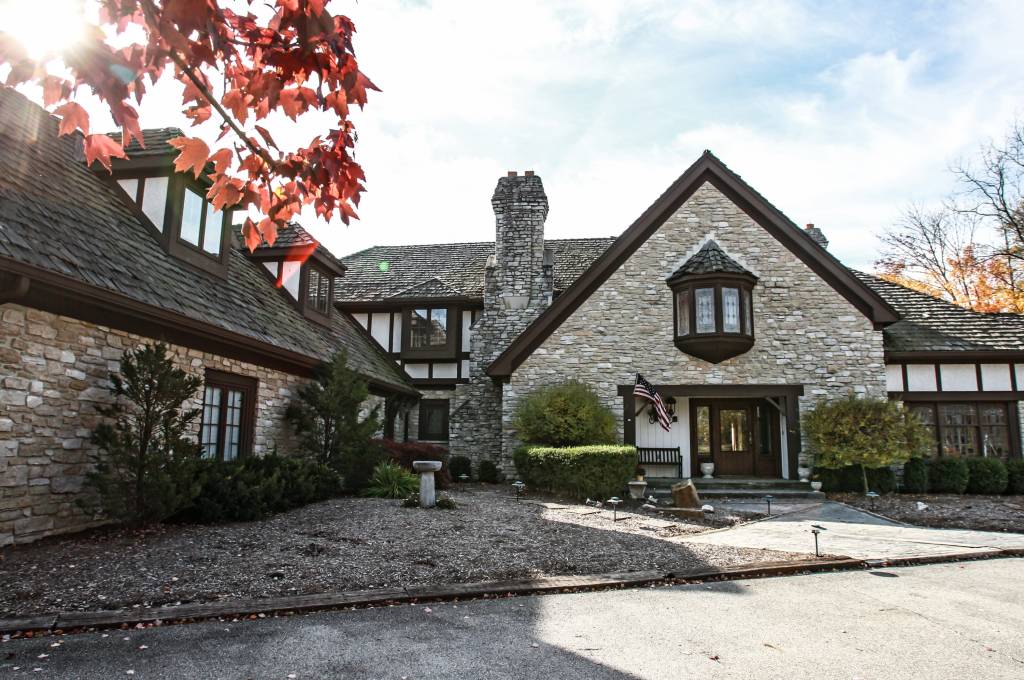
The scope of the recovery effort staggers even experienced investigators. About 10,000 burned and broken human bones and bone fragments were unearthed from the 18-acre estate, and more than 9,000 of those pieces still await examination. Investigators believe at least 25 people fell victim to Baumeister, according to WRTV. Jellison compared the investigation’s complexity to the World Trade Center recovery, though he argued Fox Hollow presents a more daunting puzzle. “I really believe that this investigation is more complicated in some ways than the World Trade Center,” he said. “With Fox Hollow, we’ve recovered these remains, but we have no idea who it is that we’re looking for.”
The physical evidence has also fueled Jellison’s long-held theory that Baumeister did not act alone. “I was always convinced that there was more than one,” he explained. “There were a lot of people that lost their lives in this incident, and just the placement of the evidence alone. How does one man pull this crime off? And how does one man get … deceased individuals from his residence to potentially 200 yards through very dense woods? I think it would’ve been a very difficult task.”

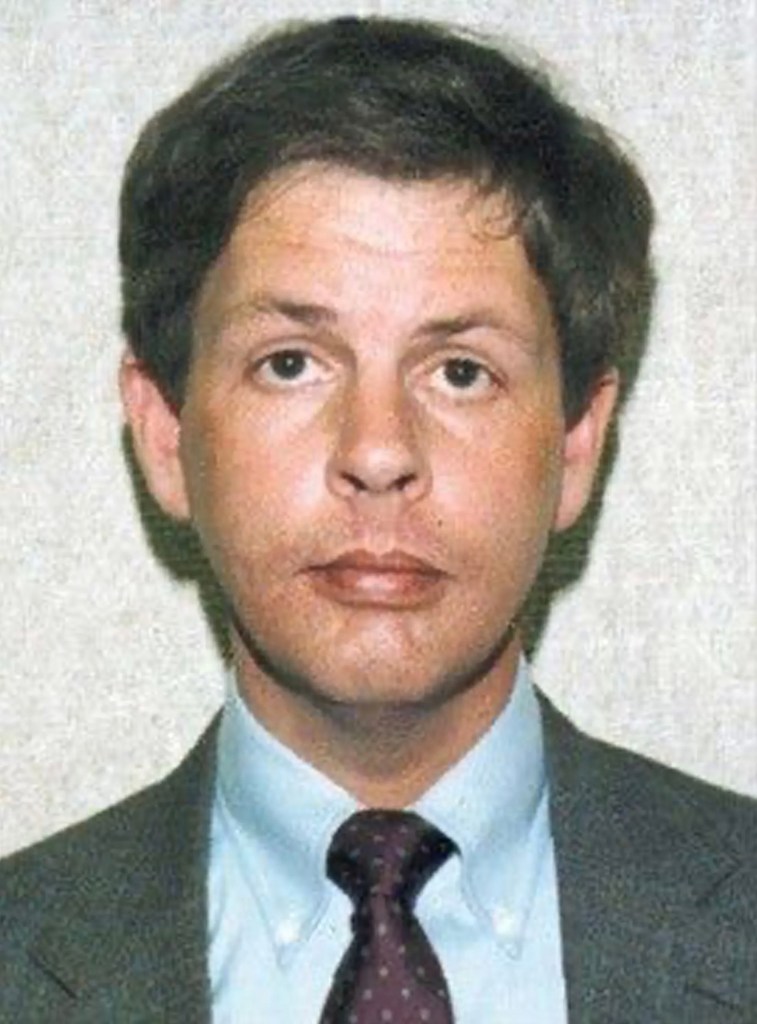
Baumeister, 49, died of a self-inflicted gunshot wound in Ontario, Canada, in 1996, before investigators could arrest him. His son had discovered a human skull in the woods at Fox Hollow Farm two years earlier, yet authorities did not search the property until June 1996. Investigators believe Baumeister frequented Indianapolis gay bars, lured men to his home while his family was away, killed them there, and scattered their remains across the property.
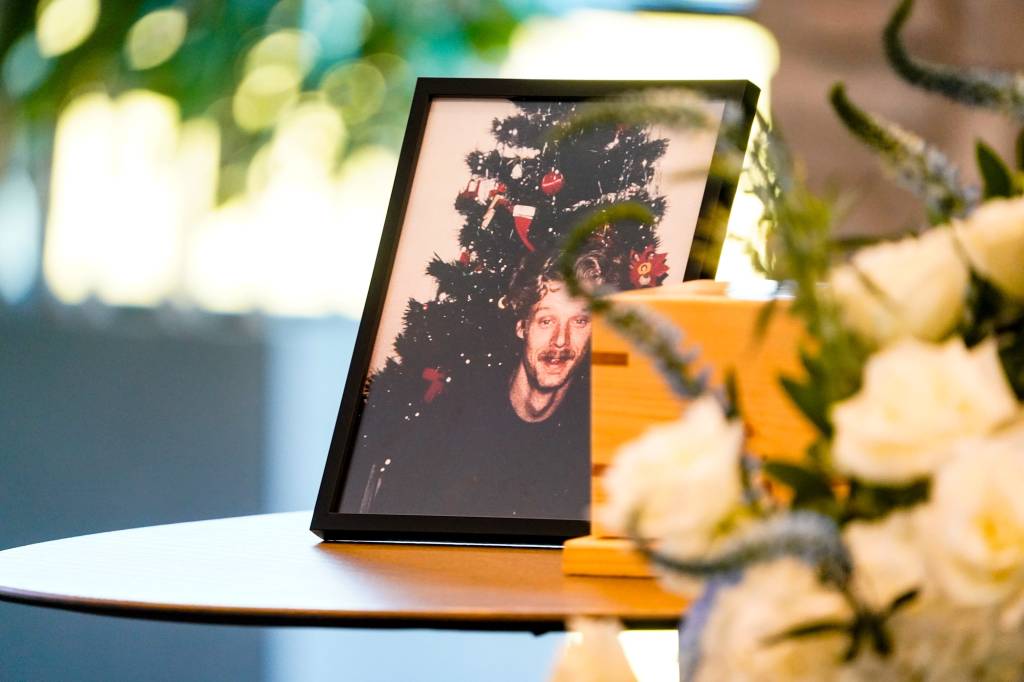
Goodyear has described himself as Baumeister’s only known survivor. He said he first encountered Baumeister at an Indianapolis gay bar in 1994, where the suspect introduced himself as “Brian.” Goodyear later told investigators about a disturbing sexual encounter at Baumeister’s home. After encountering him again the following year, Goodyear helped investigators obtain information that led them to identify Baumeister.
The previous documentary, “The Fox Hollow Murders: Playground of a Serial Killer,” examined how Goodyear’s account has shifted over the years. In that 2025 docuseries, Goodyear claimed he was forced to watch tapes in 1994 that investigators believe Baumeister may have recorded through a secret camera hidden in an air vent in his basement. “It was like having a camera right up against something,” Goodyear said. “You’re not going to be able to tell what’s going on, but the minute you got a flash of what was going on, it made you scream.” Jellison has said it is unlikely those tapes, if they exist, would ever be recovered.
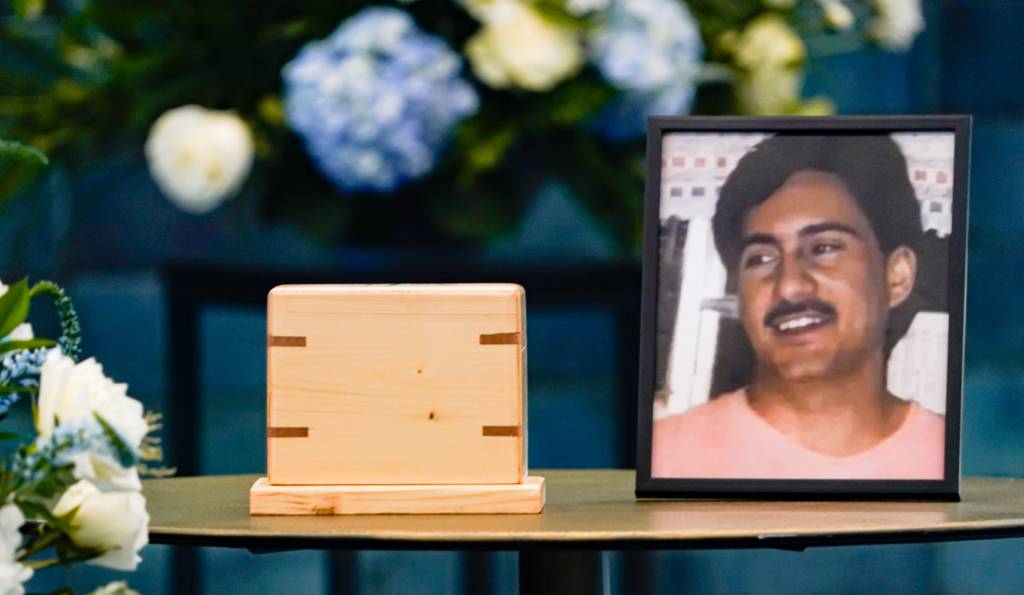
Many victims may have been marginalized individuals without close family ties, leaving relatives unaware that their loved ones vanished or that their remains ended up at Fox Hollow. “Some of these folks did not have close family connections, and they were somewhat marginalized,” Jellison explained. “So there may be families out there not even knowing that their loved one went missing, much less consider that person was a victim at Fox Hollow.” The passage of three decades has compounded the challenge, as parents may have died and siblings may not know about missing cousins. “We’re reaching out further down the lineage to cousins,” Jellison said. “And a cousin may not even know that they had a family member that even went missing.”
After the original documentary aired, Jellison’s office received approximately 500 emails, phone calls, text messages and social media messages from people seeking information or offering tips. He continues urging anyone with a potentially connected missing loved one to reach out directly. “Come forward,” he said. “If you don’t know what to do or you don’t know who to call, call me. I’ll get you going in the right direction.”
“Return to Fox Hollow: New Victims, Darker Secrets” is streaming now.