

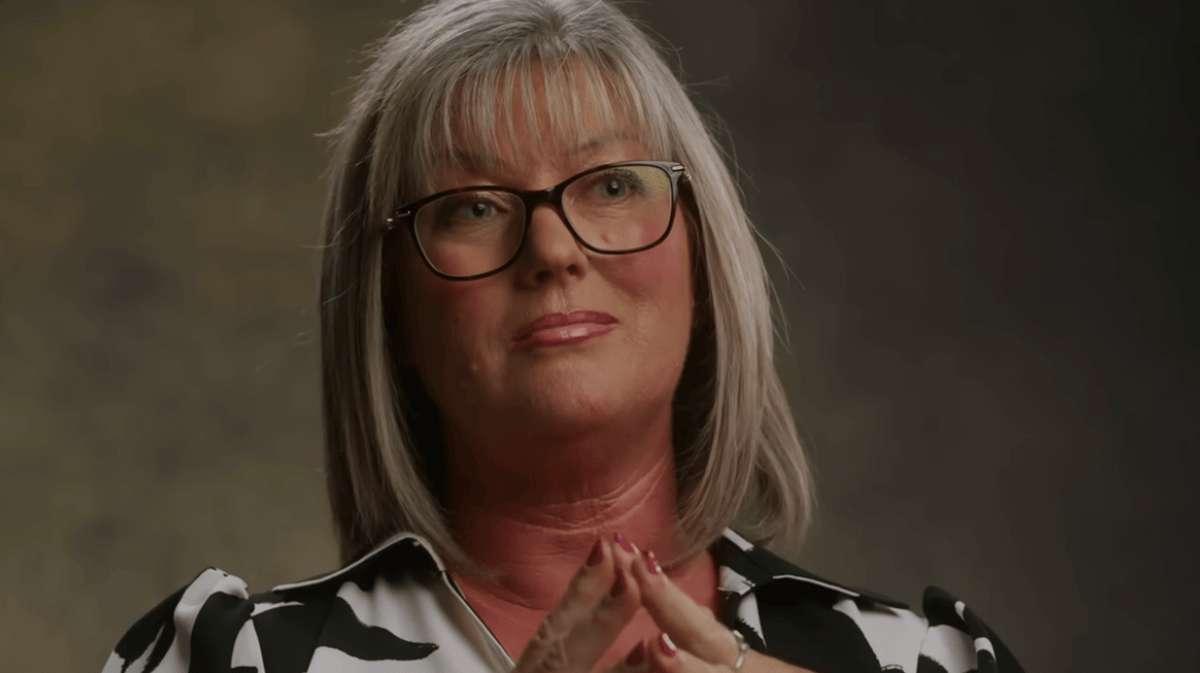
A mortician has shared how years in the role have shaped her feelings about death.
Debbie Holmwood has worked as a mortician for 27 years, regularly helping families prepare to say goodbye.
She said her decision to enter the profession came after a personal loss, when her grandparents died within “a couple of weeks of one another”.
Before changing career paths, Debbie trained as a beautician and even did makeup for friends on their wedding days.
But seeing the care and support funeral directors provided to her own family made a lasting impression. She later got in touch with the same funeral directors — where one of her cousins worked — to pursue the job herself.
Morticians are responsible for preserving and presenting the deceased, particularly when a person will be viewed during a funeral or wake.
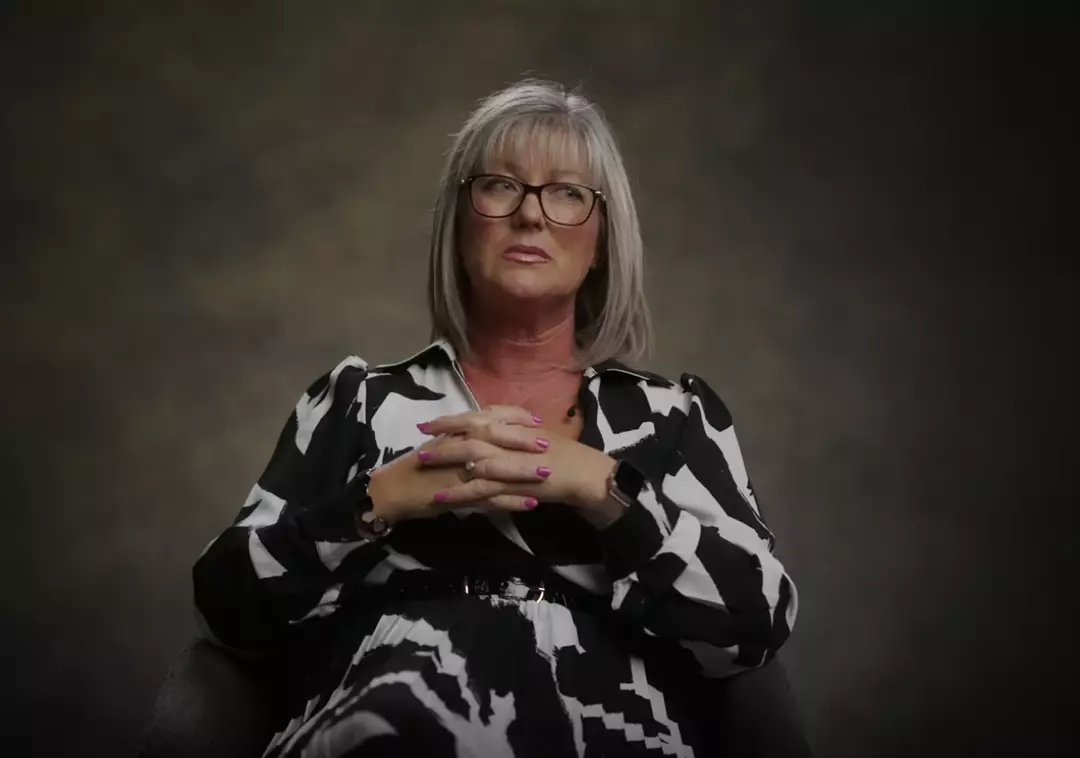
The work can include embalming, as well as styling hair and applying makeup to help families see their loved one looking as peaceful as possible.
Doing this day in and day out means Debbie encounters death far more often than most people.
So has constant exposure changed how she thinks about it?
“I’m still scared,” she said Stories. “I felt nearer to my nan and grandad when I first do it, but because we don’t know, I do get scared I suppose.”
She said the fear shows up in two ways: thoughts about her own mortality, and anxiety about losing the people closest to her.
“I am scared of death itself, and losing family members, but knowing I do that gives me comfort as well,” she said.
“I don’t know whether it brings me nearer to death because I’m around it. I don’t know, it’s weird.”
Because the job is both uncommon and deeply sensitive, Debbie admitted she used to keep it quiet as she worried about being judged.
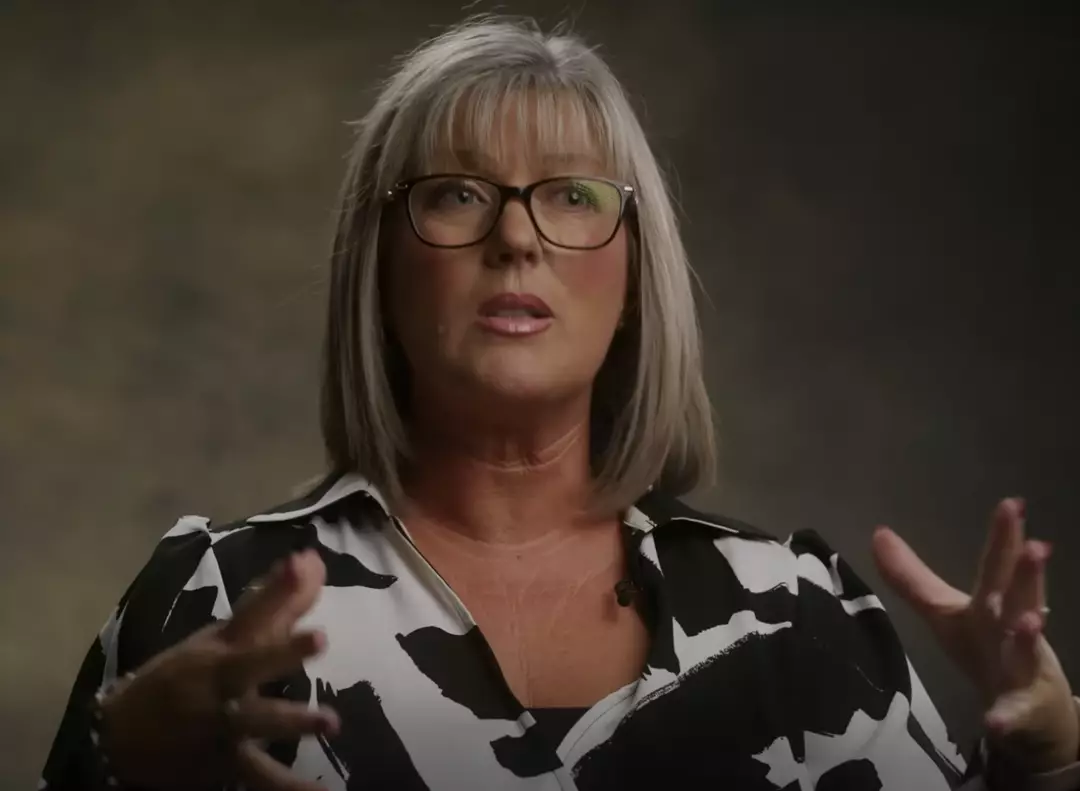
“I never told anyone for years because I think they thought I was a freak, so I never told anyone,” she said.
Now, she says she feels differently — and takes pride in being able to support families during what can be the hardest period of their lives.
She said: “It’s only when I got into my 40s and 50s that I was sort of no, actually I’m proud.
“I get a lot of letters, a lot of comments, and thank yous. I know I’ve helped someone and I think no actually I’m proud of what I do.”
Debbie also explained that one of the most common reactions she hears is: “I don’t know how you could do that.”
Even so, she believes every job has its challenges — and for her, this role simply felt like the right fit.
“I just think maybe that’s what I was made to do,” she said.