

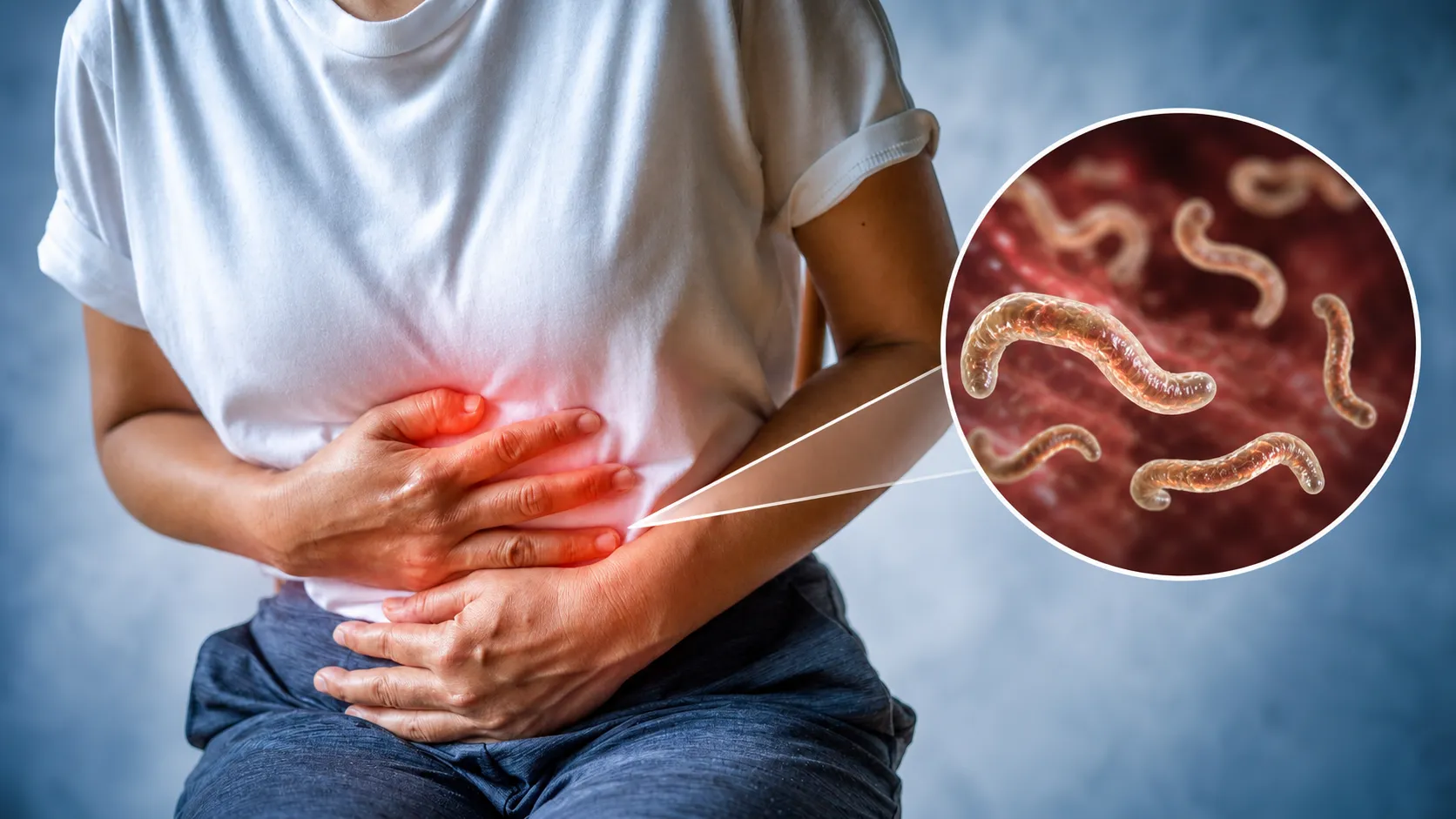
Federal health authorities are investigating a parasitic outbreak after a growing number of people across the US reported severe gastrointestinal illness.
The Centers for Disease Control and Prevention (CDC) and the Food and Drug Administration (FDA) have been tracking recent cyclosporiasis activity, a foodborne infection caused by the microscopic parasite Cyclospora cayetanensis.
CDC surveillance data show that cyclosporiasis is a recurring summer illness in the United States, with case counts typically rising in the warmer months. The agency recorded 1,180 domestically acquired cases in 2025, along with 105 hospitalizations and no deaths.
The infection stems from Cyclospora cayetanensis, a single-celled parasite that infects the small intestine.
Among reported cases in recent outbreaks and surveillance data, hospitalizations are not uncommon, but deaths remain rare.
Investigators are especially concerned when patients have not traveled internationally before becoming sick, because that points to exposure inside the United States rather than infection acquired abroad.
That typically suggests a contaminated food or water source that was distributed broadly enough to affect people in multiple places.
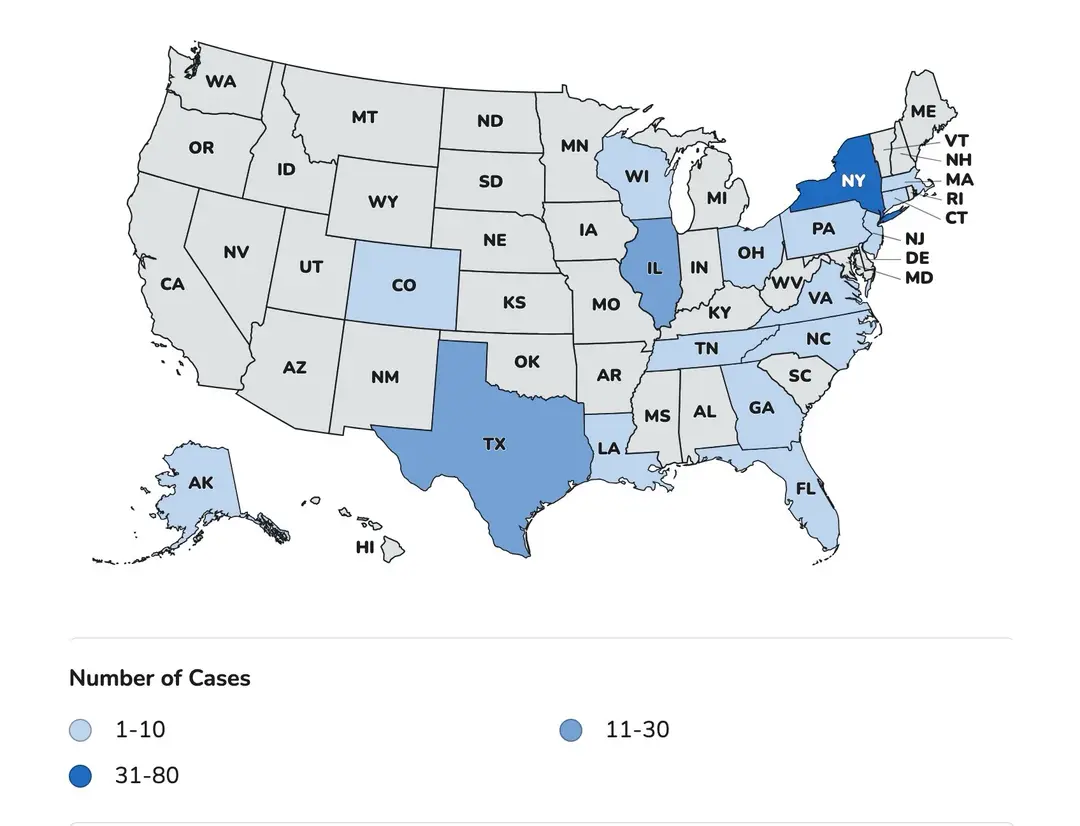
Public health officials are reviewing what patients ate in an effort to identify the source of contamination and determine whether the illnesses are linked to a single food item or several different exposures.
Although the exact source behind the current investigation has not yet been identified, CDC and FDA have repeatedly found that domestic cyclosporiasis outbreaks are often associated with fresh produce, especially leafy greens and herbs, as well as other ready-to-eat fruits and vegetables.
Earlier multistate outbreaks have been tied to uncooked produce sold fresh, pre-packaged at grocery stores, or served in restaurants.
Unlike bacteria such as E. Coli or Salmonella, Cyclospora does not multiply in animals and humans are its only known host.
The parasite spreads when human fecal contamination reaches food or water, which can happen if infected workers do not have adequate sanitation or if irrigation water is contaminated by sewage.
Its biology makes the parasite especially difficult for food safety officials to control.
Cyclospora is resistant to many common sanitizing methods, and ordinary rinsing at home may not be enough to remove it from produce once it has attached to the surface.
“Food safety experts warn that there is no definitive evidence that simply washing fresh produce under the tap will remove the parasite once it has adhered to the crop,” the public health briefing noted.
People who consume the parasite usually begin to develop symptoms anywhere from two days to two weeks later, with many becoming ill about one week after exposure.
Cyclosporiasis can cause watery diarrhea, abdominal cramping, bloating, nausea, marked fatigue, and weight loss.
Without treatment, the illness can last for weeks or longer, and symptoms may seem to improve before returning.
Detecting the infection can also be difficult because routine stool testing may not always identify the organism unless specific testing is ordered.
Health officials advise anyone with persistent or severe stomach symptoms to ask a doctor about testing for Cyclospora, since the infection can usually be treated with prescription antibiotics such as trimethoprim-sulfamethoxazole.