

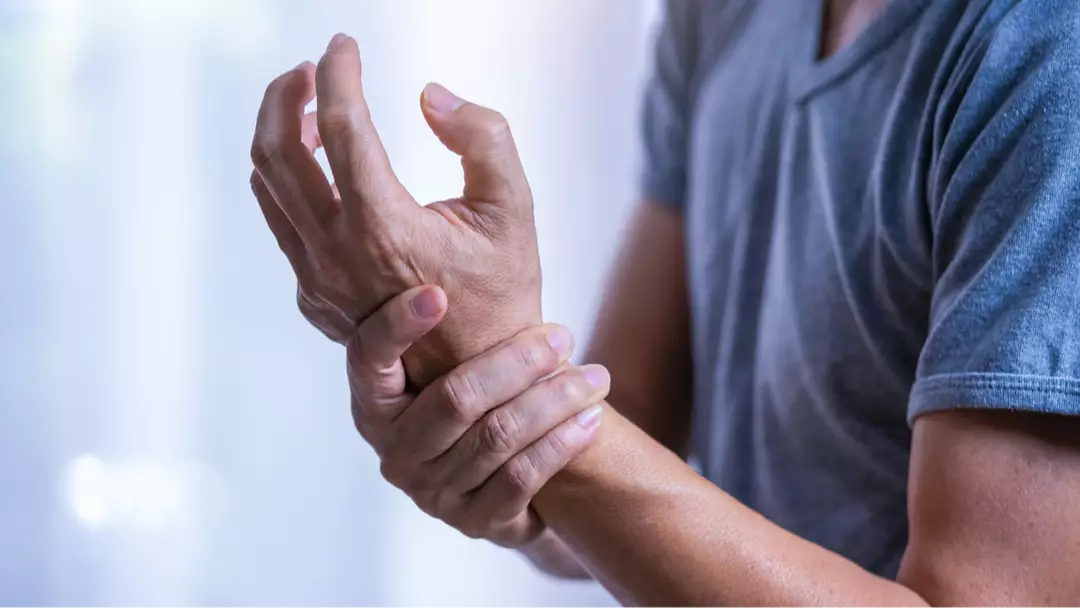
A Mythbusters video has addressed the long-standing debate over whether men or women can tolerate pain better.
You may have seen various videos claiming that women possess a higher pain tolerance.
These might include sketches from tattoo artists on social media, where a man grimaces and loudly expresses discomfort while getting a small tattoo, whereas a woman receiving a more complex design appears almost relaxed as the artist works.
The reasoning often presented is that women endure a greater deal of physical pain regularly, such as from menstrual cramps, as well as during significant life events like childbirth.
To investigate this claim, the YouTubers behind Mythbusters conducted an experiment involving several volunteers.
So, what was their method?
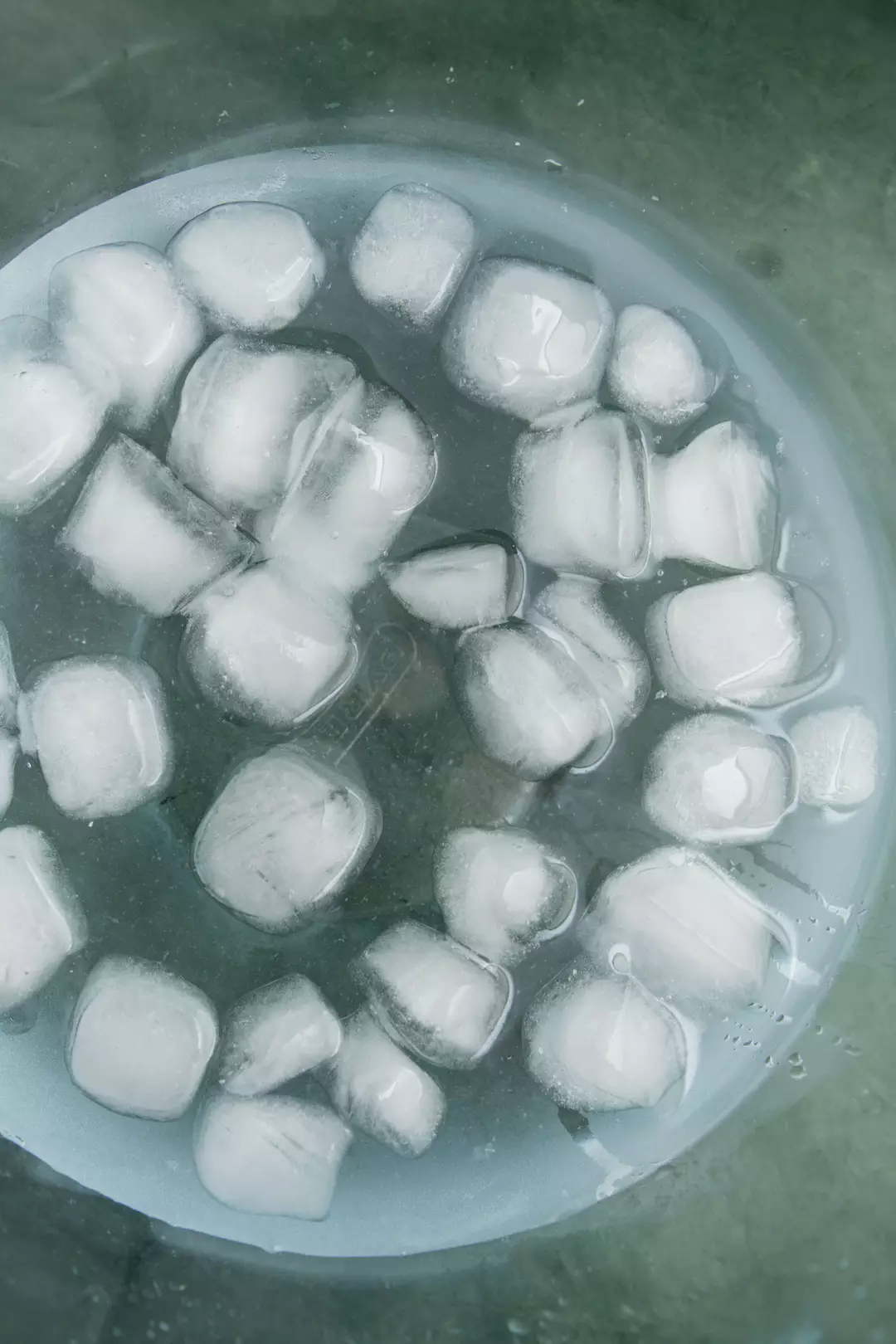
They asked volunteers to submerge their hands in a bowl filled with ice-cold water and see how long they could keep them there.
Participants who reached the three-minute mark were instructed to remove their hand, if they lasted that long.
Although some men managed to reach the three-minute threshold and some women did not, on average, women demonstrated a higher endurance for the cold water test.
The Mythbusters team also aimed to assess whether women who have given birth exhibit an even higher pain threshold.
When considering data specifically for women who had experienced childbirth without pain relief, the results showed that this group possessed a significantly higher pain tolerance, whereas women who had not given birth scored lower than the men.
Thus, it appears that enduring the intense pain of childbirth without medication may enhance one’s pain tolerance.

While this discussion might seem like a trivial internet debate, it carries important implications in reality.
For instance, the belief that women can tolerate more pain than men could influence how they are treated in medical situations.
Such misconceptions pose challenges for women generally, and especially for women of color who face the erroneous and biased stereotype of having a much higher pain tolerance. This can lead to their reports of pain being dismissed or not given the necessary attention.
The experiment also did not include individuals living with chronic pain, which can alter one’s perception of pain over time.
In this context, pain rated as a 7/10 by a healthy individual might feel like a 1/10 to someone accustomed to chronic pain.
Ultimately, the nature of pain is more complex than it may initially appear.