

A NASA report has condemned the Starliner malfunction that left two astronauts unable to return home as a “Type A” mishap.
That classification is NASA’s most serious, placing the incident in the same severity bracket as catastrophic shuttle losses.
A “Type A” mishap generally covers situations involving more than $2 million in damage, loss of vehicle control, loss of the vehicle itself, or fatalities.
New NASA chief Jared Isaacman pointed the finger at both Boeing, which built the Starliner spacecraft, and NASA’s own decision-making, arguing leadership choices helped set the stage for the mission’s outcome.
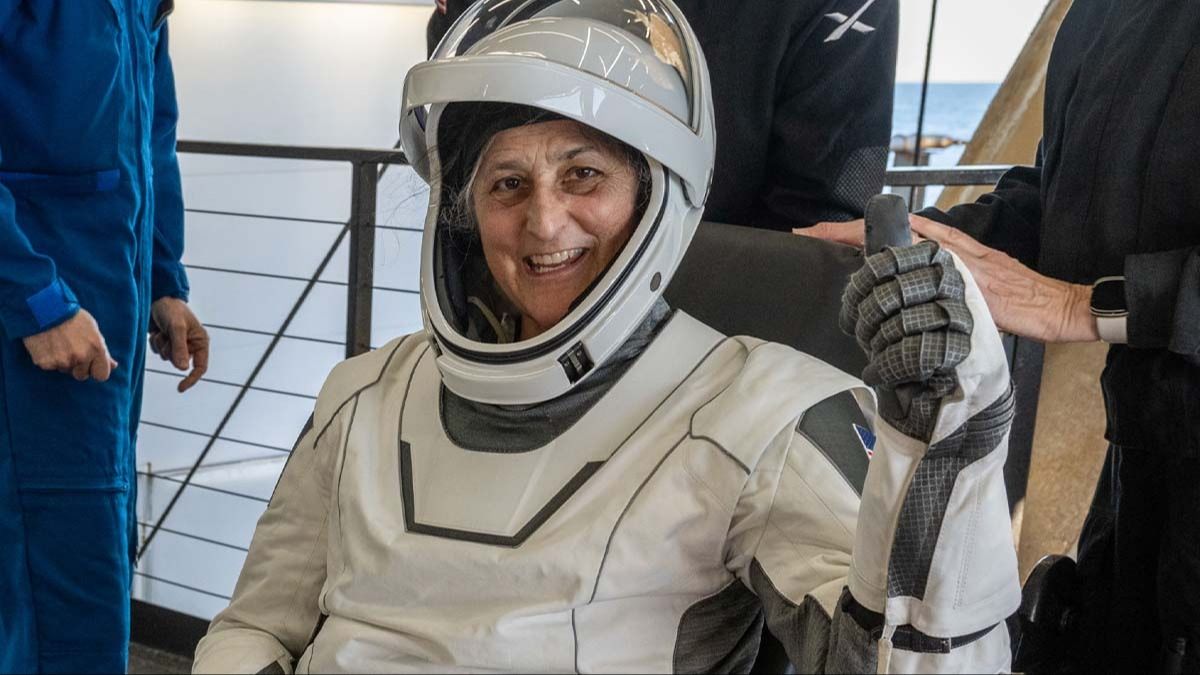
The failure ultimately left astronauts Butch Wilmore and Suni Williams stuck aboard the International Space Station (ISS) for about nine months, before they were able to return to Earth in March.
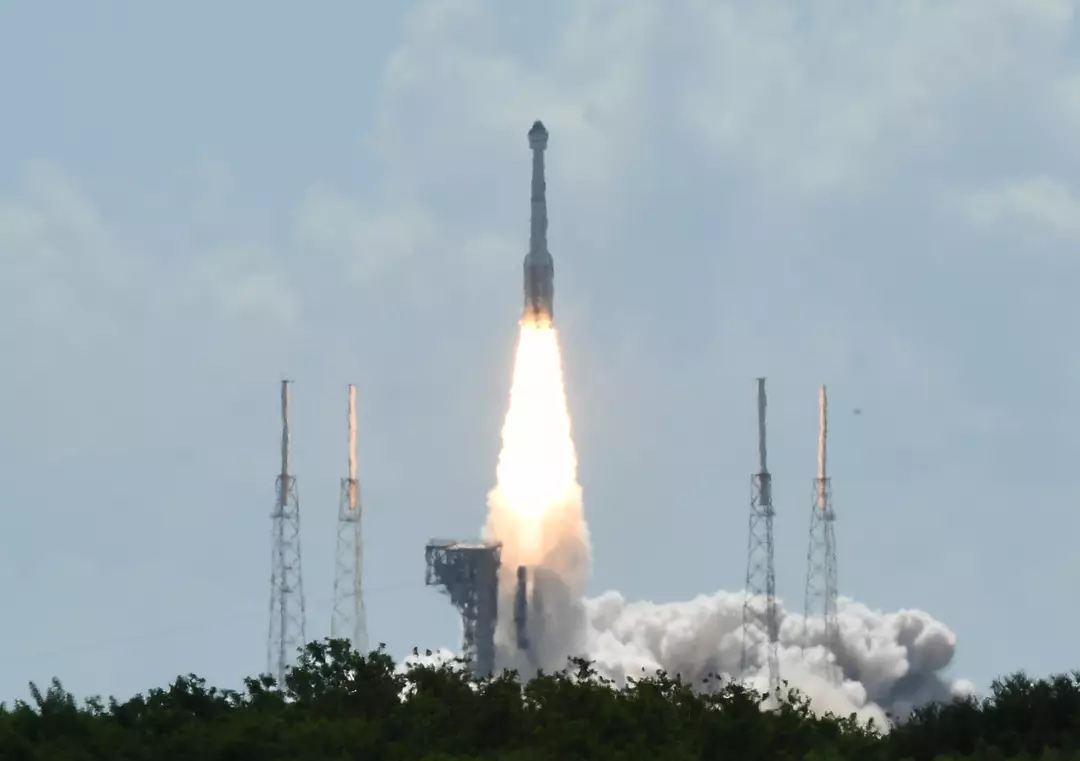
The problems began during Starliner’s trip to the ISS in June 2024, when thrusters malfunctioned while the capsule was in transit.
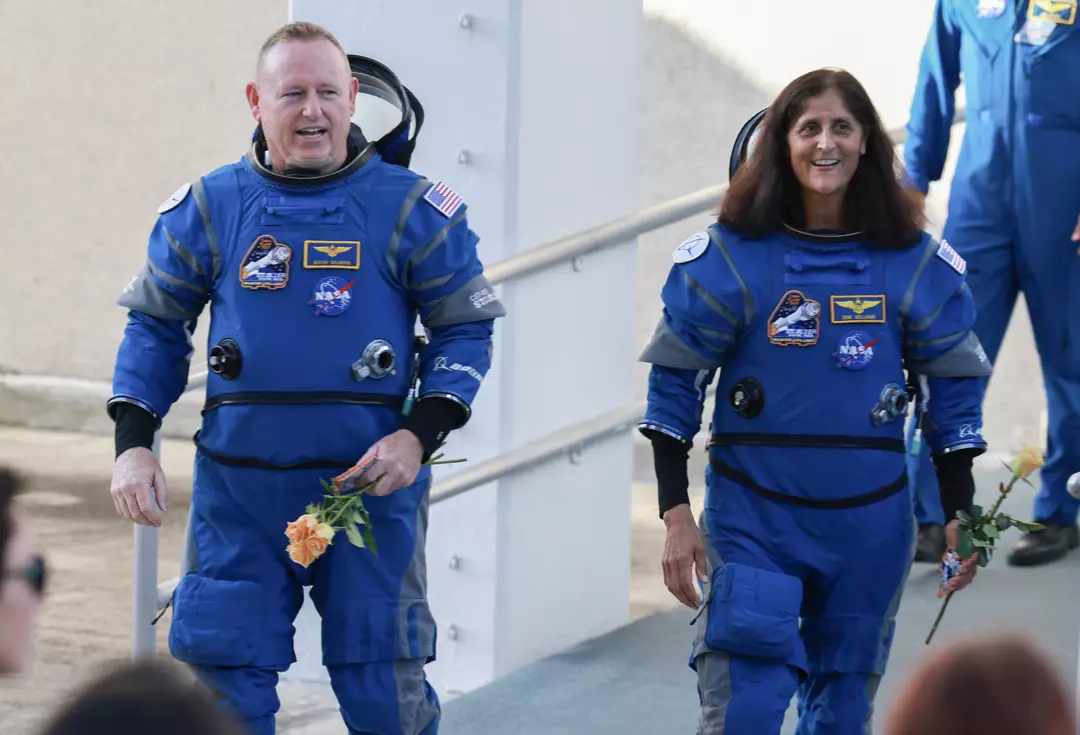
The issue temporarily left the spacecraft without full control, though the crew managed to recover propulsion performance and successfully dock with the ISS.
Even with a safe arrival, concerns about the vehicle’s reliability meant Starliner was not used to bring them back to Earth.
Addressing the incident at a news conference, Isaacman said: “Had different decisions been made, had thrusters not been recovered, or had docking been unsuccessful, the outcome of this mission could have been very, very different.”
He also said the spacecraft had shown warning signs in previous flights, yet the program continued without what he considered sufficient corrective action.
“We are correcting those mistakes,” he said. “Today, we are formally declaring a Type A mishap and ensuring leadership accountability so situations like this never reoccur.”
With Starliner sidelined, Wilmore and Williams remained on the ISS for months until they were able to secure a ride home on a SpaceX mission in March 2025.
Following their unexpectedly long stay in orbit, both astronauts have since stepped back from the agency.
Isaacman said NASA has accepted the findings and will now move forward with changes intended to address the failures identified in the report.
He stressed that accountability is shared, adding: “While Boeing built Starliner, Nasa accepted it and launched two astronauts to space.
“To undertake missions that change the world, we must be transparent about both our successes and our shortcomings. We have to own our mistakes and ensure they never happen again.”