

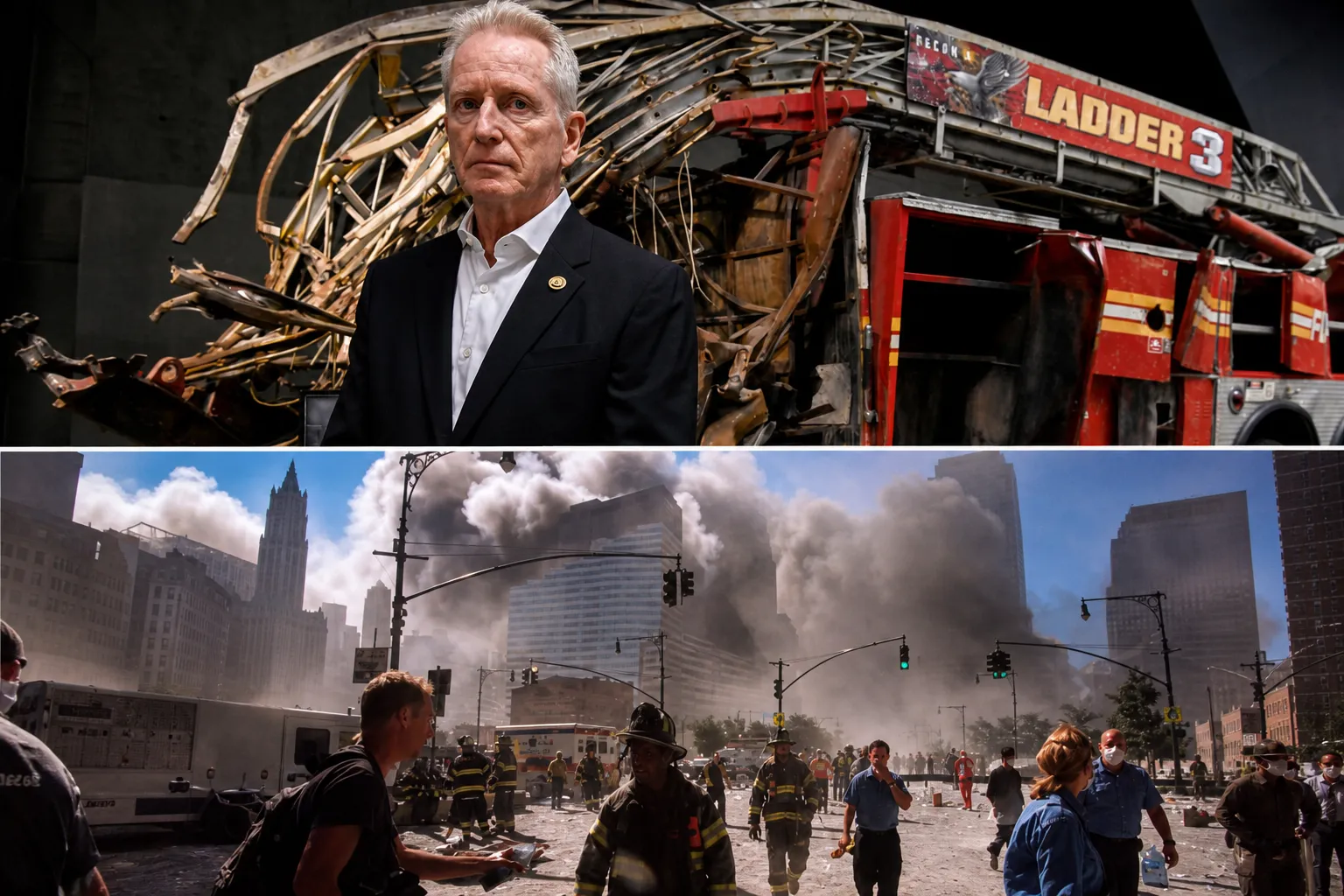
Nearly 10,000 first responders and survivors have died of illnesses tied to the September 11 attacks in the 25 years since the towers fell.
The death toll stands at 9,677 people as of July 31, according to September 11 Victim Compensation Fund data, with cancer driving the vast majority of those losses. A staggering 5,892 of the dead succumbed to cancers caused by the toxic air at Ground Zero, a figure that more than doubles the 2,753 killed in the initial terror attacks. Another 57,044 cancer cases have been documented, and officials warn the true number is likely far worse.
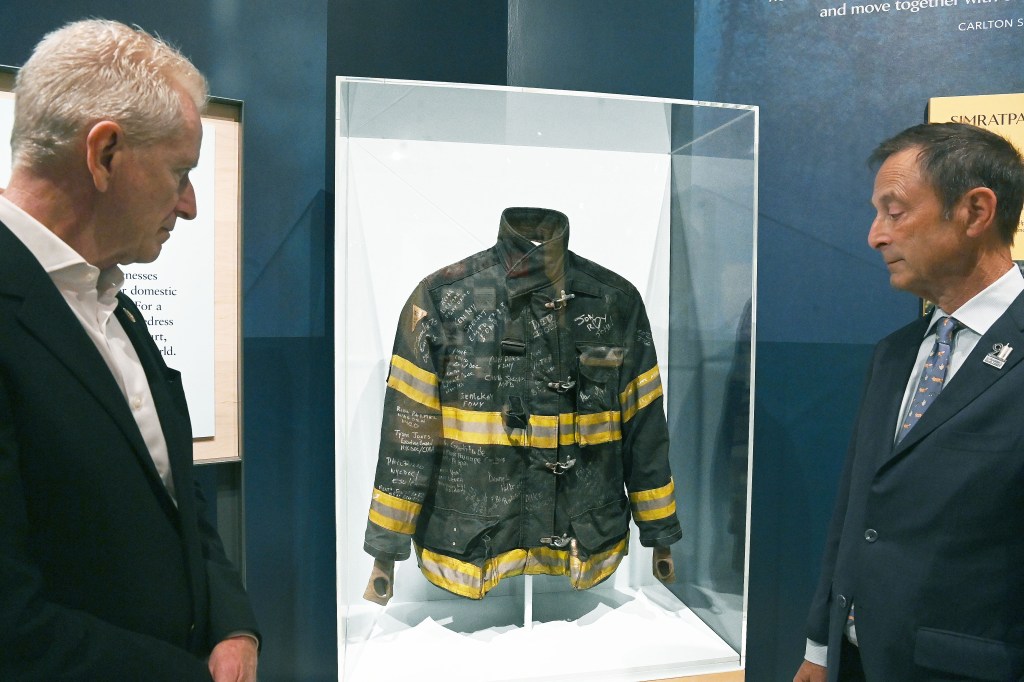
Michael Barasch, 71, whose firm is litigating 50,000 cases involving 9/11 illnesses, sees the human toll daily. “Only one and a half percent of all breast cancer [cases] are male,” he said. “We should see about five men with male breast cancer – my law firm alone represents 100.” Barasch’s firm loses two clients to cancer every day but gains another dozen who either have cancer or are family members of those who have died.
The lawyer speaks from personal experience. His office at 11 Park Place sat three blocks from the Twin Towers, and he remembers watching “in a trance” as people jumped from the burning buildings. He was diagnosed with prostate cancer in 2018 and remains under active surveillance. Among his own staff, a 47-year-old secretary died of breast cancer in 2014 and a 49-year-old paralegal died of kidney cancer in 2020.
Non-melanoma skin cancer leads all diagnoses with 18,380 cases, followed by prostate cancer at 13,170, female breast at 4,830, melanoma at 3,860, and lymphoma at 2,560, according to Centers for Disease Control data through June 30. But the statistics reveal something far more alarming than raw numbers. World Trade Center Health Program members are 123 times more likely to have thyroid cancer, 119 times more likely to have melanoma, and 98 times more likely to be diagnosed with prostate cancer than the general public. Women in the program face breast cancer at 100 times the rate of the general population.
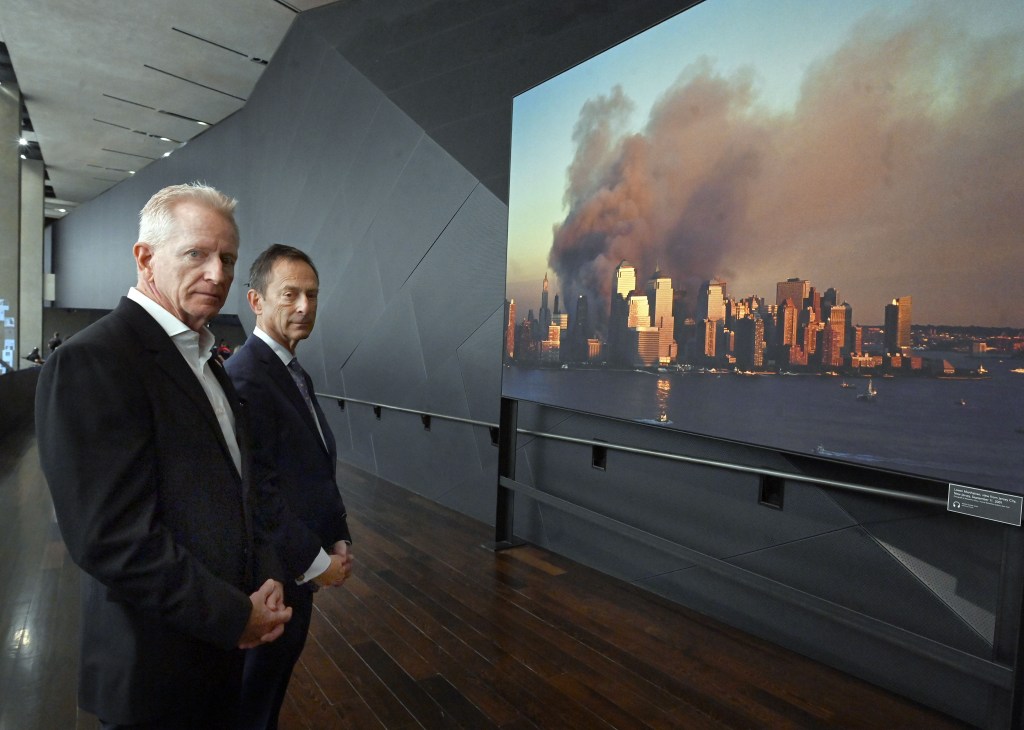
Dr. Michael Crane, medical director of the World Trade Center Health Program Clinical Center of Excellence at Mount Sinai, said the findings are “less alarming than we had feared in terms of cancers that are highly prevalent.” Still, the program maintains vigilant monitoring. “Since we know all cancers are increased [among members] every time we do a monitoring visit, our eyes are looking for all cancers,” he said. “One we’re enormously concerned about is melanoma,” which is “much more deadly” than the more common basal skin cancer. “Then, you have prostate cancer,” he continued, noting men in their 60s and 70s are more prone to it, “but we do believe that it has an increased frequency because of the exposure.”
Thyroid cancer rates also run higher among members, Crane added, and “a little lower in frequency, but of very grave concern are leukemias and the other cancers that involve the lymphatic system called lymphomas.”
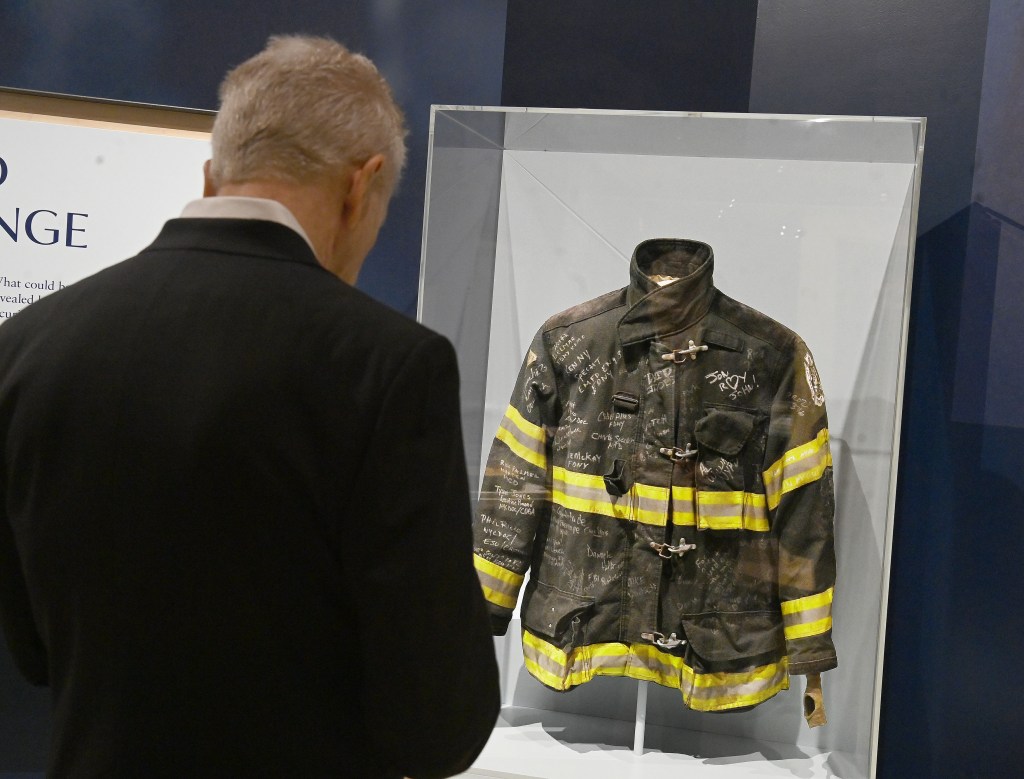
The true scope may remain hidden. Crane estimated about 400,000 people were “significantly exposed” to toxins below Canal Street, yet only about 90,000 first responders and 60,000 civilians enrolled in the health program. “Those children are now in their 20s and remain largely unstudied,” he said. “What’s going to happen with them?” Recruitment efforts continue with limited success. “I mean, people have really tried, but we’re just not getting the folks in the door,” Crane said, adding that some people might still think the program is “just for first responders.”
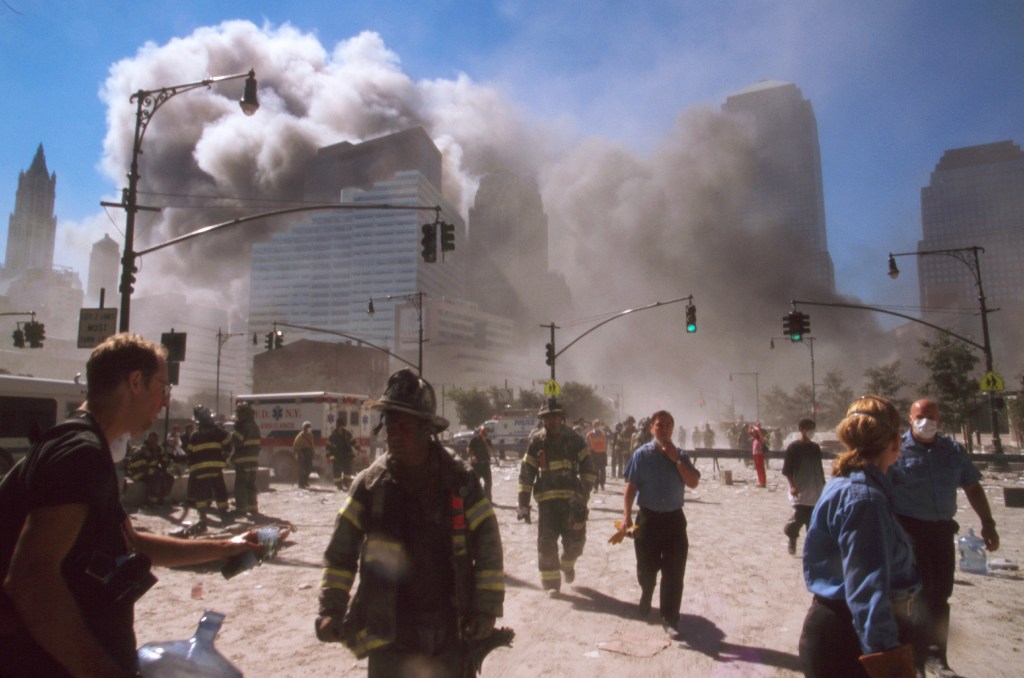
Retired FDNY Deputy Chief Richard Alles, who arrived after the second tower fell and stayed for weeks, earned the nickname “The 9/11 guy” through his advocacy for the James Zadroga Act, which Congress passed in 2010 to provide medical treatment and financial compensation. The label took on new meaning when he was diagnosed with prostate cancer in 2023. “I can get angry if I thought about it,” he said. “But that just eats you up.” He was treated with NYU Langone Health System’s Cyber Knife and is now cancer free.
Accountant Peter Raho, 78, recalled returning to work amid the devastation. “All the dust would fly in,” he said of opening his office windows. “You could actually write your name in it.” Diagnosed with non-Hodgkin’s lymphoma in 2014, he underwent chemotherapy and is now cancer free. “I’m taking more medications than I used to,” said the grandfather of two young children. “But I’m still alive and kicking.”
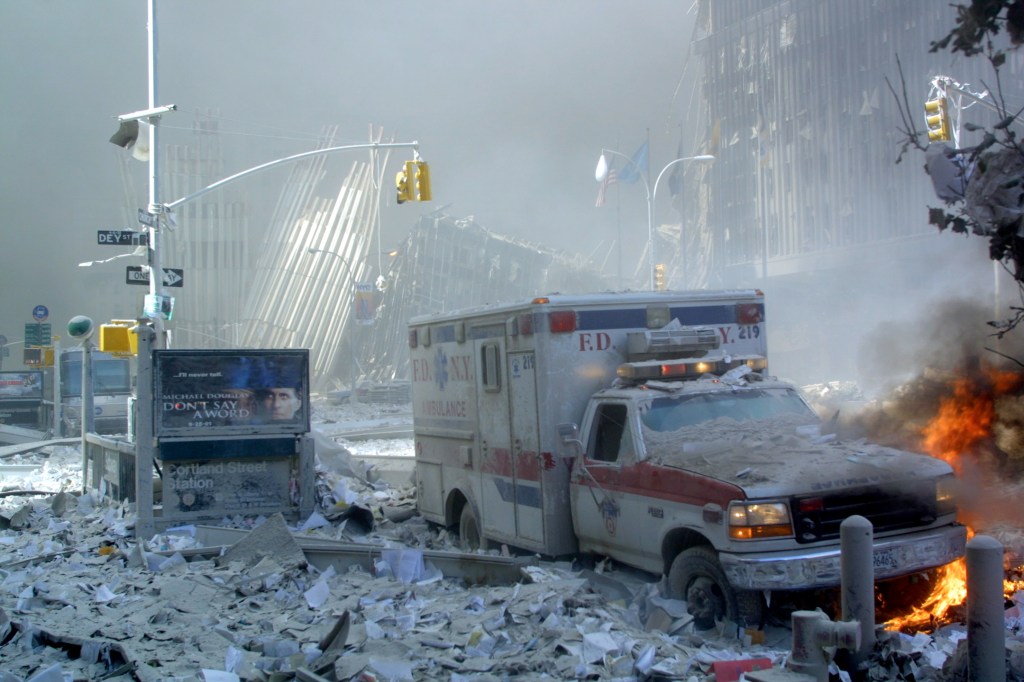
Beyond cancer, the CDC has recorded 3,679 program members battling Chronic Obstructive Pulmonary Disease, the most common non-cancer illness, though deaths from such conditions are not publicly tallied. The toxic cloud that enveloped Lower Manhattan contained carcinogenic compounds including lead, mercury, and cadmium from burning plastics, jet fuel, and office materials, plus sulfuric acid and other corrosive gases, according to the CDC. The deadly stench lingered until December.
As the 25th anniversary approached, Barasch rejected the word “anniversary” itself. “Anniversary makes it sound like 9/11 was something that happened and ended 25 years ago,” he said. “But it didn’t. September 11 brought loss we could scarcely comprehend and it was only the beginning.”
The city will mark the anniversary with ceremonies at Ground Zero.