


A terminally ill child in the Netherlands has been euthanized in what appears to be the first case since the country expanded its assisted dying rules to cover children aged 1 to 12.
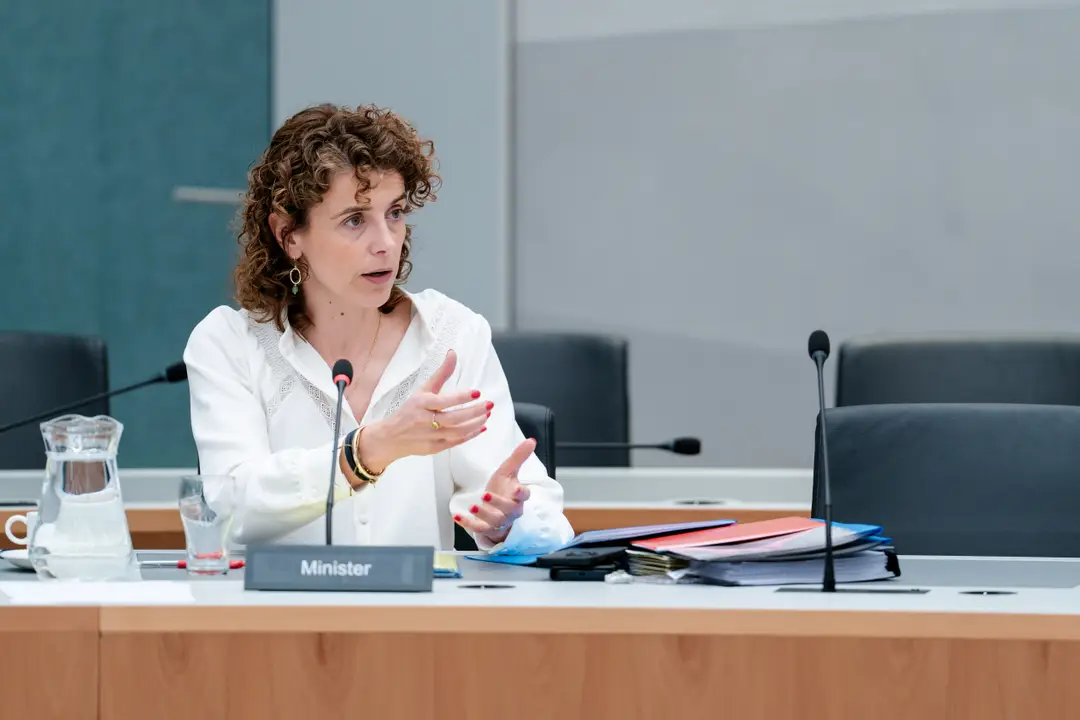
Dutch Health Minister Sophie Hermans confirmed the case in a letter to parliament, according to Dutch broadcaster NOS, saying the report was received by the special review committee at the end of last year.
Hermans said the child died late in 2025, but no identifying details were released. She did not disclose the child’s name, gender, location, or the nature of the illness.
The case has been reviewed by the committee that examines these cases and then passed to the Public Prosecution Service, which will decide whether the doctors involved complied with the law. The committee’s assessment is expected to be published soon.
The Netherlands introduced the 1-to-12 framework in 2024, extending a system that had already covered newborns and children aged 12 and older. The government said the change was intended for a very small group of children with incurable conditions who are suffering unbearably and without prospect of improvement.
Under the government’s guidance, the procedure is only allowed when a child is terminally ill, is in constant severe pain, and there is no cure or reasonable alternative to relieve the suffering, including through palliative care.
The Dutch government outlines the circumstances in which this is allowed:
“Termination of life is only allowed if a child is terminally ill and is suffering unbearably with no prospect of improvement. This means the child is in constant, severe pain. And that there is no cure, and no reasonable alternative to relieve the child’s suffering, even through palliative care.
“In this situation, the doctor may decide, together with the parents, to terminate the child’s life. This decision is always made in consultation with the parents and, if possible, also with the child.”
The government website adds that any decision by a doctor to end a child’s life must be grounded in ‘general medical standards and current medical knowledge’.
When ministers approved the revised framework in 2023, they said it would likely apply to around five to ten children a year.
“The end of life for this group is the only reasonable alternative to the child’s unbearable and hopeless suffering,” the government states.
The Netherlands became the first country in the world to legalize euthanasia in 2002, although the practice remains subject to strict legal requirements. Under Dutch law, euthanasia and assisted suicide are still criminal offences unless doctors meet the due-care criteria and the case is reviewed after the fact.

Every case must be submitted to medical review boards, and the government says a euthanasia request must come from the patient without outside pressure or interference.
It also says any doctor involved must be convinced that the patient’s request is ‘voluntary and well considered’.
Children younger than 16 can only be euthanized with the consent of a parent or guardian, while those aged 16 or 17 do not need parental approval, although their parents or guardians must be informed.