

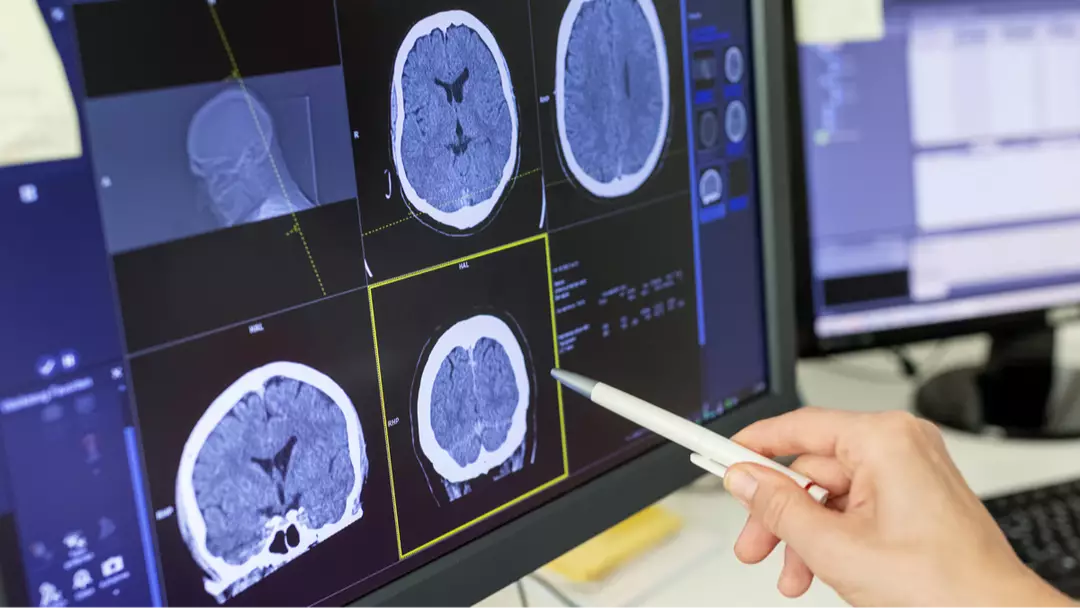
Experts in neurology have identified eight critical symptoms that should prompt immediate medical attention.
Health issues can arise unexpectedly, and many things can potentially go wrong with our bodies. Fortunately, most individuals don’t experience severe debilitating conditions, which is something to be thankful for.
However, when something feels off, people often choose to ignore it, assuming it will resolve itself or is just a natural part of aging.
While this may be true in some cases, a group of neurologists, as reported by Time, emphasize that there are eight specific symptoms that warrant medical evaluation.
Dr. Luis Cruz-Saavedra, a neurologist at Memorial Hermann Health System, stresses the importance of taking these symptoms seriously without delay.

One commonly overlooked symptom is experiencing double vision in one eye. Although there are various potential causes, it is crucial to have it examined.
Potential causes of double vision include multiple sclerosis, stroke, aneurysm, myasthenia gravis, brain tumor, or brain infection.
This symptom is generally more noticeable, and if there’s no obvious cause, it should be taken seriously.
If you find yourself dragging a leg, limping, or having trouble with tasks like picking up items or writing with your dominant hand, it may be time to consult a doctor.
Dr. Cruz-Saavedra also highlights the seriousness of another symptom that others might notice. Individuals with neurological issues may momentarily go blank and then resume normal activity without recalling the lapse.
This symptom can be indicative of temporal lobe seizures, which affect the brain areas linked to short-term memory and emotional processing.
If you suddenly develop speech problems, despite having no prior issues, it could be a cause for concern.

Dr. Enrique Leira, director of the division of cerebrovascular diseases at the University of Iowa, advises urgent care if speech difficulties arise.
Speech problems could be a sign of a stroke, which often occurs suddenly and involves a loss of function due to brain injury.
Issues with speech might include trouble speaking clearly, slurring words, speaking slowly, or having difficulty finding the right words.
Dr. Leira acknowledges that headaches present a challenge for neurologists, given their diverse causes.
While many headaches are harmless, some require immediate attention.
He advises that a headache could indicate a stroke if it’s unusually severe and sudden, especially if it doesn’t gradually escalate over time.
“And if it strikes while you’re engaging in physical activity, it’s concerning enough to warrant a check-up right away,” he notes.
Dr. Andrew Dorsch, division chief for general neurology at Rush University System for Health, distinguishes between tingling, or a prickling sensation, and numbness.
For numbness, determining which nerves are involved, identifying the cause, and finding the appropriate treatment is crucial.
Seeing a doctor is advisable because the cause could range from diabetes to more complex issues like autoimmune nerve attacks.
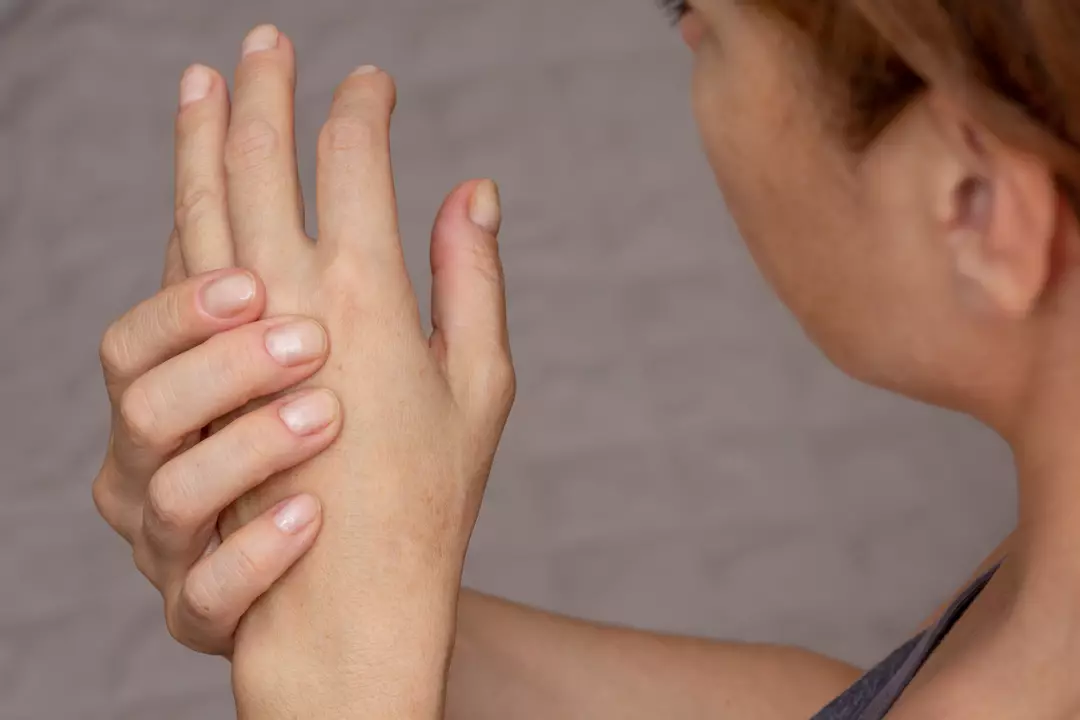
As we age, increased stiffness and tightness in the body are common, but they could also indicate a neurological condition.
Dr. Dorsch suggests considering a doctor visit if you frequently struggle to rise from a chair.
“While joint issues are possible, we want to rule out problems with muscles, nerves, or the spinal cord,” he explains.
He emphasizes that checking for Parkinson’s disease or amyotrophic lateral sclerosis (ALS) is advisable for family members.
While déjà vu is a sensation that anyone can experience, frequent occurrences can signal a health concern.
Déjà vu is the eerie feeling of reliving an experience or having encountered it before.
For those who experience it regularly, Dr. Dorsch warns it might be a sign of a temporal lobe seizure.
He advises consulting a healthcare provider if déjà vu occurs frequently, sharing that he treated a patient who experienced episodes weekly, which is unusually frequent.