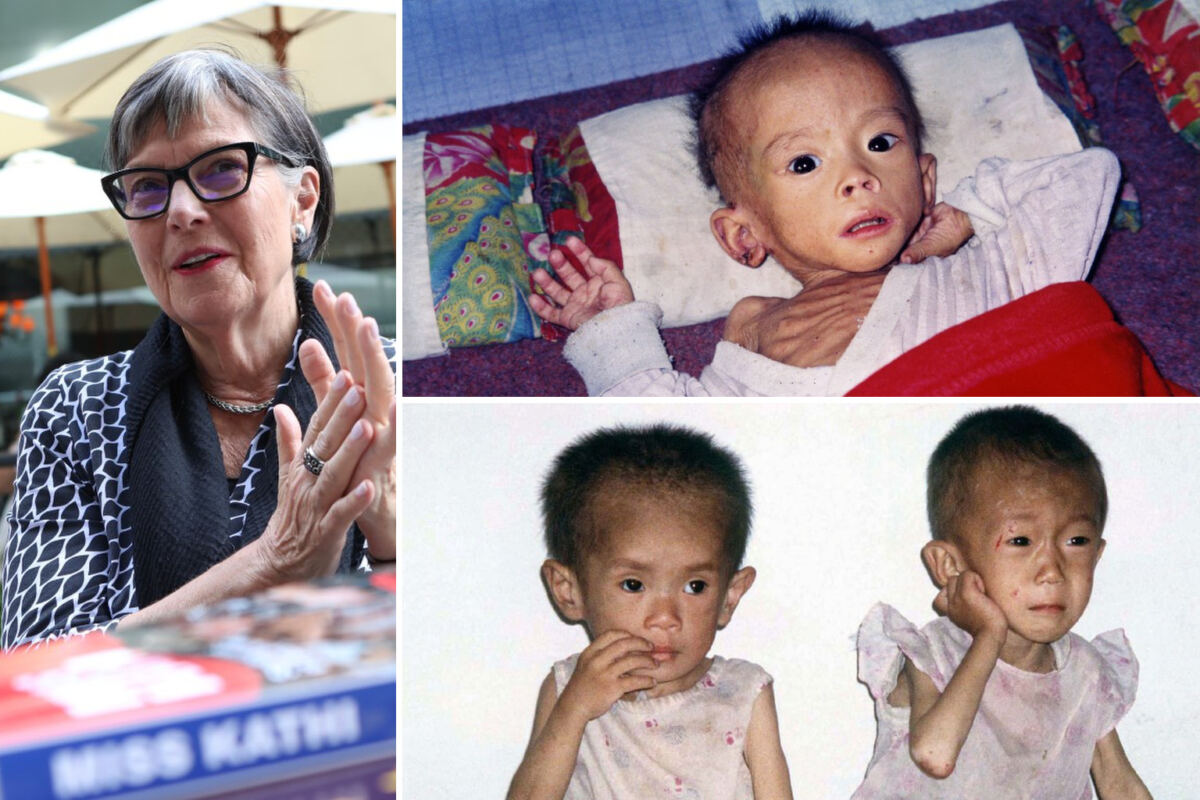
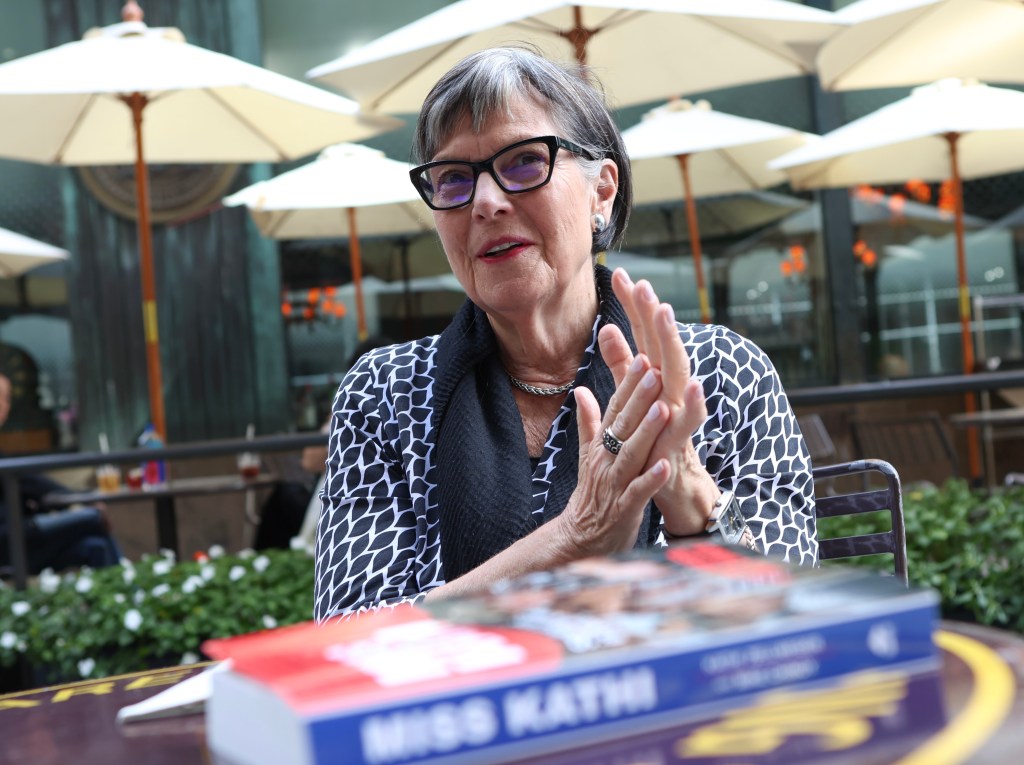
Kathi Zellweger is speaking out about the famine she witnessed inside North Korea during the 1990s, as never-before-published photographs from her humanitarian missions surface in a new book.
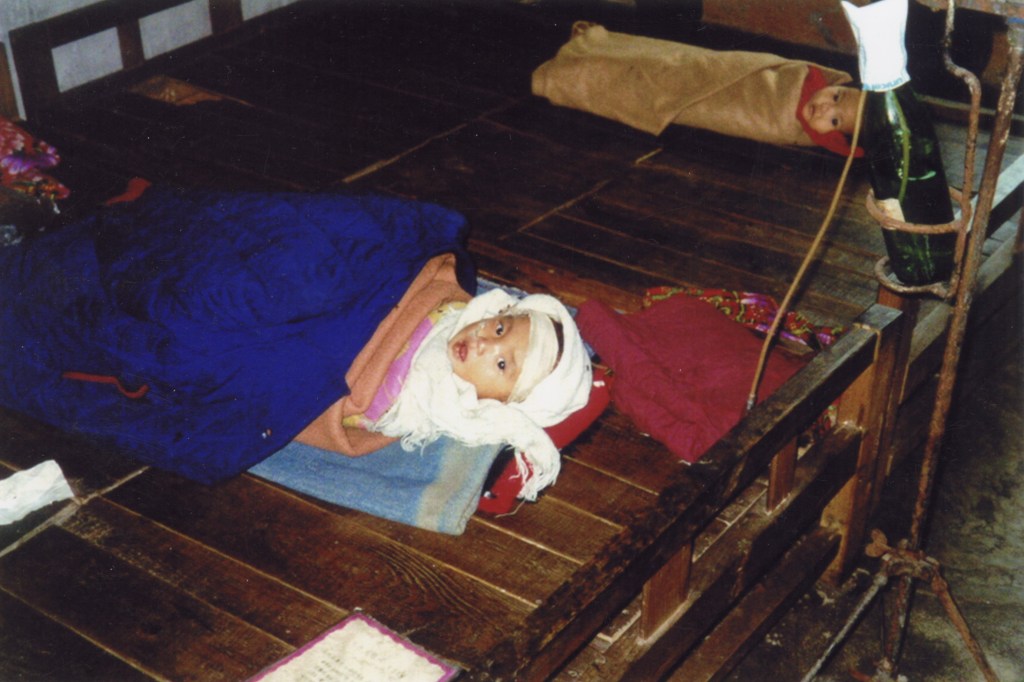
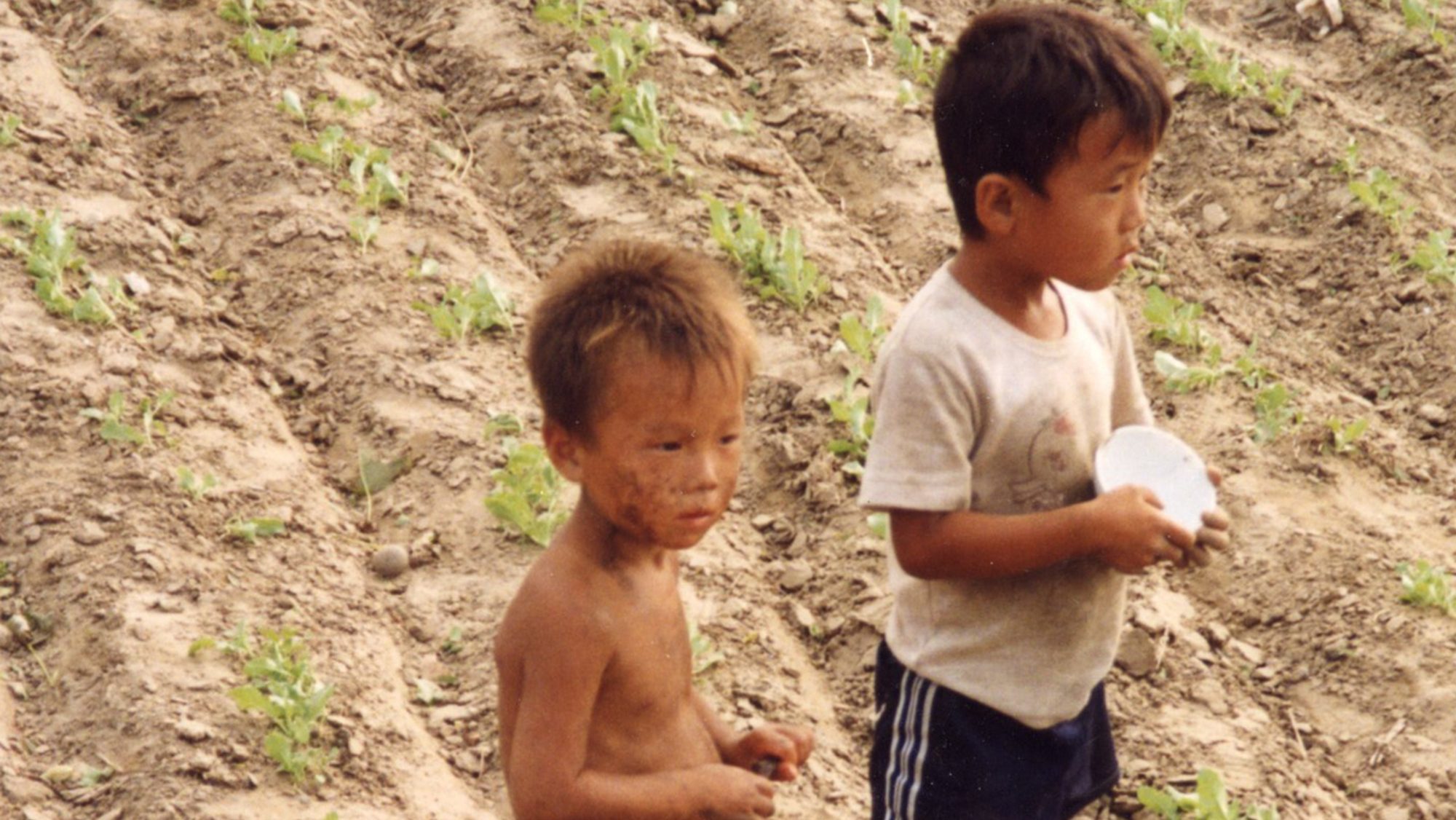
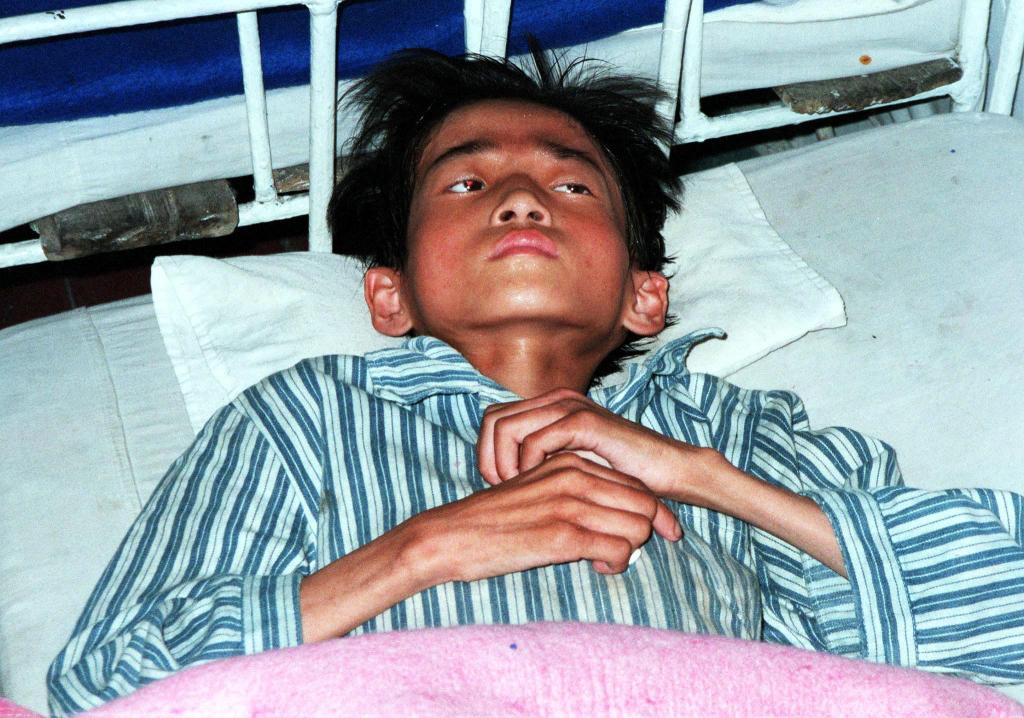
Zellweger, who made 75 trips to the isolated nation as the North Korea country director for the Swiss Agency for Development and Cooperation (SDC), captured images of children so malnourished their ribs showed through their skin and their limbs were as thin as twigs. The Swiss aid worker had built enough trust with local officials to access areas that remained off-limits to journalists and most foreigners.
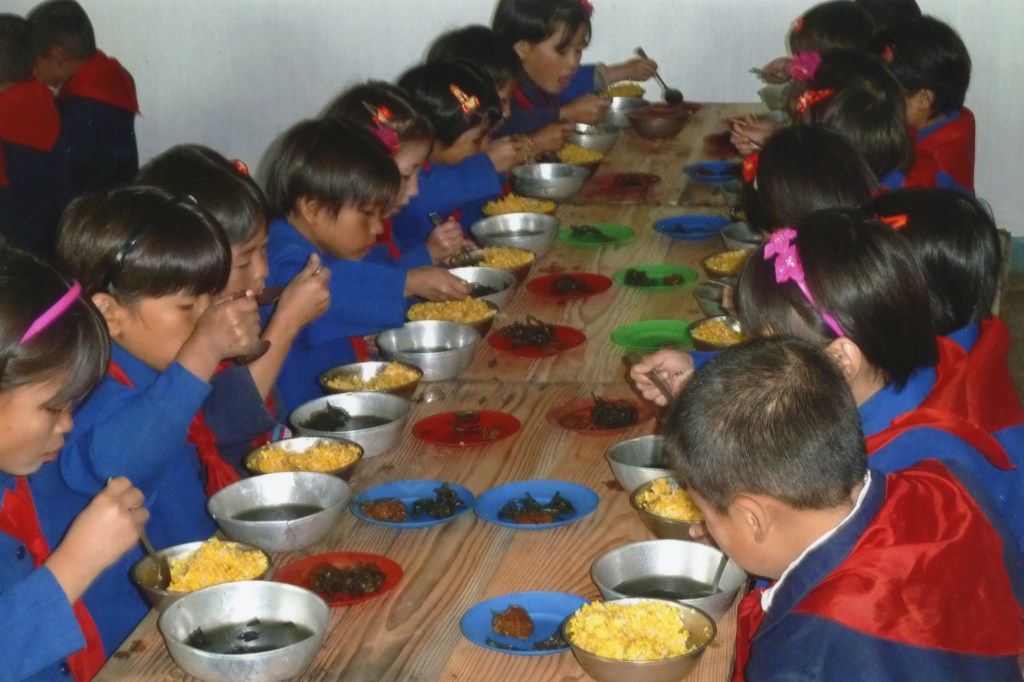
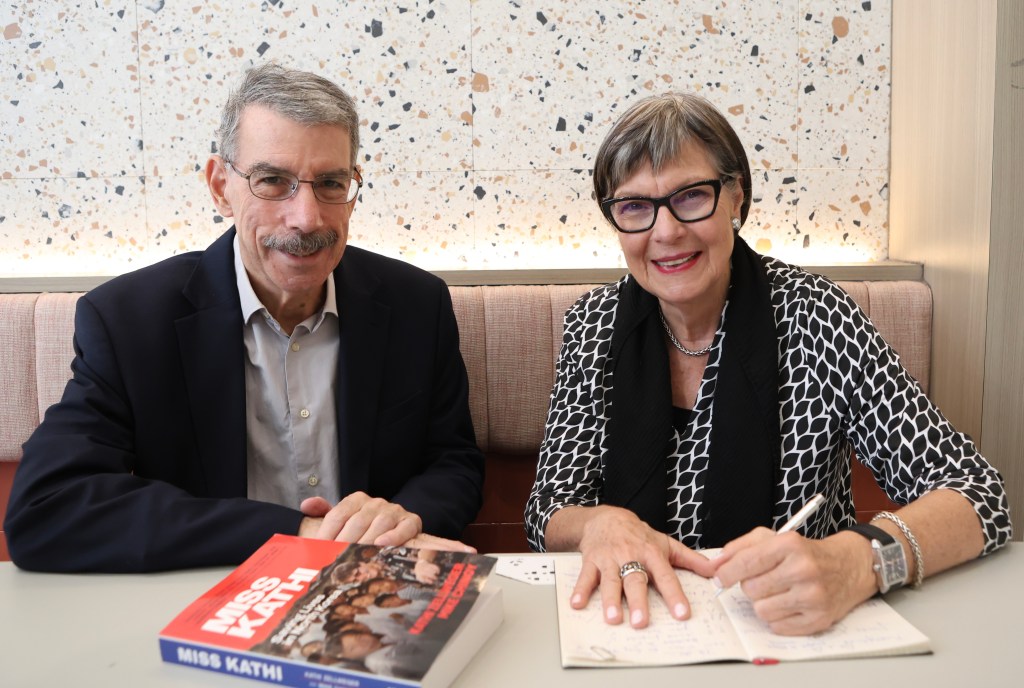
Journalist Mike Chinoy, who co-authored “Miss Kathi: Saving Lives in North Korea” with Zellweger, explained how her position opened doors that remained closed to his own reporting. “The North Koreans kind of kept the famine and the worst scenes out of our reach,” Chinoy said. “But as a humanitarian aid worker, she was able to get to places we as journalists couldn’t get, and was able to bring back information which the North Koreans were uncomfortable about having the world see.”
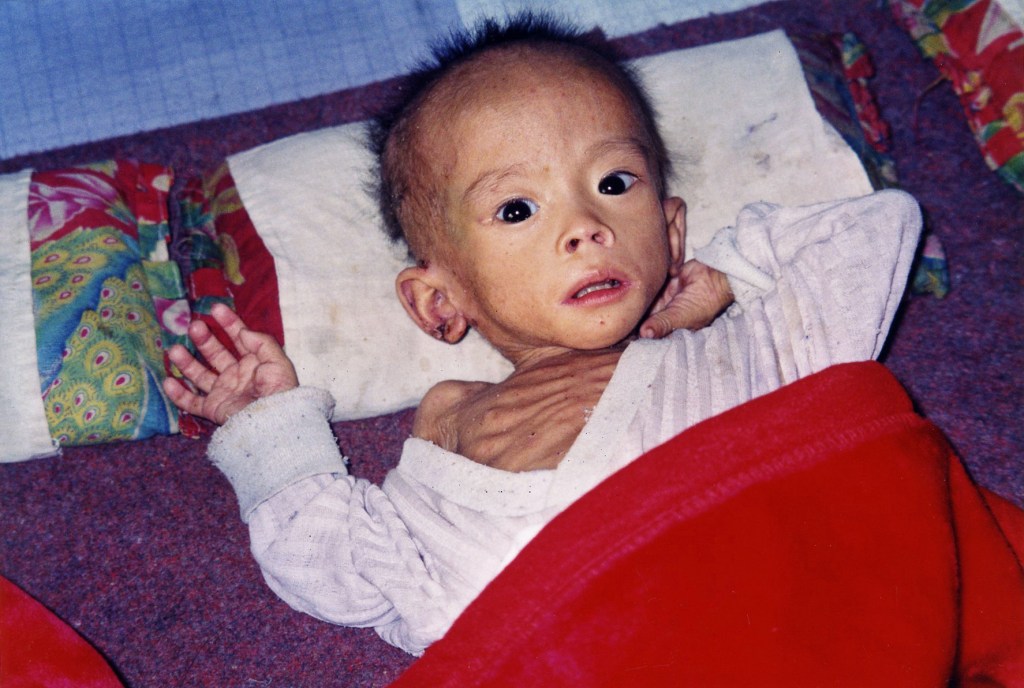
Zellweger herself described the crisis as largely invisible to casual observation. “I used to call it a hidden famine because it wasn’t in the streets, people were suffering at home,” she told The Post. The collapse of the Soviet Union had eliminated a key source of support, and Pyongyang’s communist Public Distribution System — which had provided food rations across the nation — failed along with it.

The government has officially acknowledged only 225,000 deaths from the famine, but a USAID administrator estimated the toll could reach 3.5 million people — representing 10 to 19 percent of North Korea’s population at that time. Without government assistance, citizens were left to survive on their own as the crisis deepened.
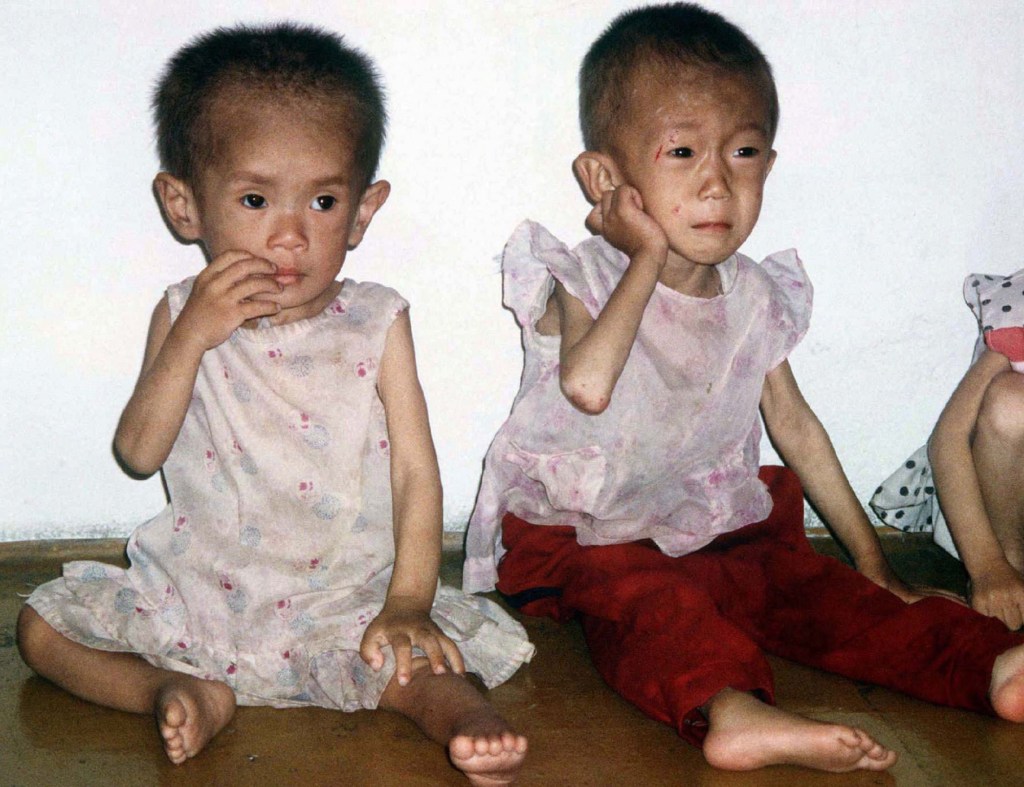
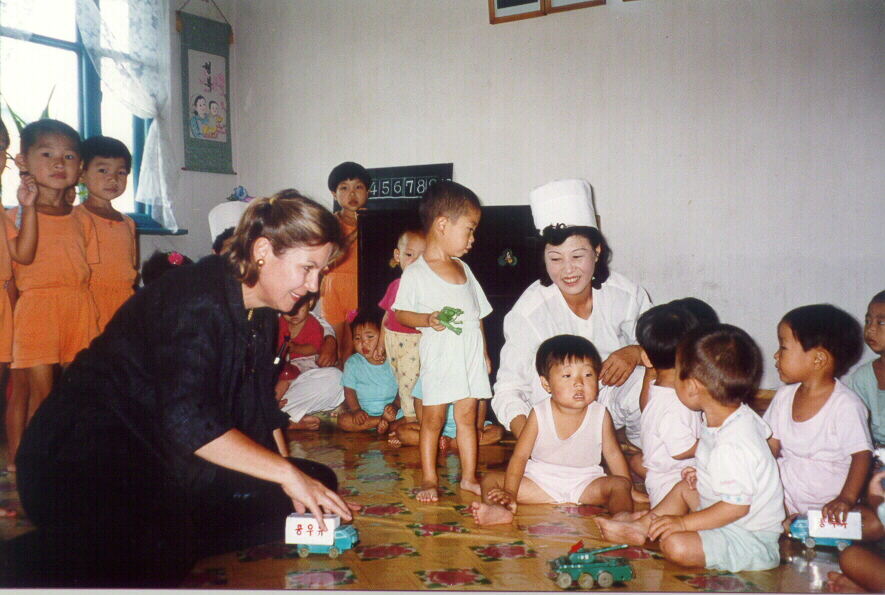
Orphanages presented some of the most harrowing scenes. Staff members who had never before confronted childhood hunger struggled to care for their charges. “In orphanages or children’s homes, they would say, ‘We don’t know what to do with these hungry children. We never had to deal with hungry children,'” Zellweger recalled. She noted that despite their own hardships, the workers impressed her with their dedication: “In these children’s homes, I would visit, at the same time you saw these starving children, I was always impressed how the staff there cared for them because they also had a difficult life themselves.”
The book recounts visits to families who maintained appearances of normalcy even as their resources evaporated. One household possessed luxury items including a cassette recorder playing Kenny Rogers music, yet was surviving on the last rations from the Public Distribution System — only rice and bean curd remained from North Korea’s National Day. With no baby food available, a mother in the family told Zellweger she would breastfeed her sick toddler as long as she could, having nothing else to offer. “Is this the end of the Great Leader taking care of us?” the mother asked her.
Natural disasters compounded the man-made catastrophe. Floods in the summer of 1995 devastated entire regions, with Zellweger witnessing villages completely erased from the landscape. “Those pictures or images from those floods are horrible because I was there – there might be one picture in the book – whole villages were all gone, and I would only see the big kimchi pot still looking out of the sand,” she said. She continued: “They had tidal waves and all that. It was mind-boggling. I mean, all the villages were just erased.”
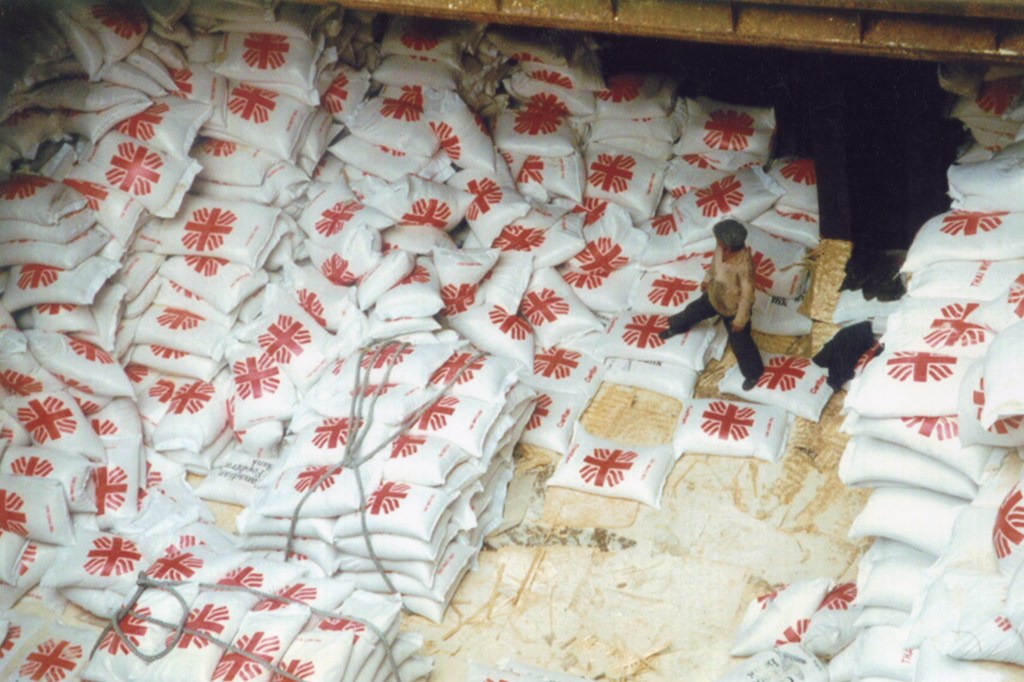
The humanitarian crisis eventually forced Pyongyang to accept international aid to prevent further deaths. Chinoy described the emotional weight of Zellweger’s repeated visits to the same struggling children. “Kathi talks about (how) you go to this place and you see these desperately hungry, emaciated kids, just not knowing whether they would be alive by the next time she visited, and that’s heartbreaking,” he added.
Zellweger observed profound transformations during her later visits between 2006 and 2011, identifying what she called the “5 Ms” of modernization: “money, markets, mobiles, motor cars, and middle class.” She eventually added a sixth element. “Later on, I added another M, and that is ‘mindsets,’ and that is particularly among the younger generation born during the famine or afterwards, because they hadn’t experienced depending on the government totally,” she said. “They realized fairly soon that they had to fend for themselves and find a way to make ends meet.”
“Miss Kathi: Saving Lives in North Korea” was released this month by Rowman & Littlefield.