

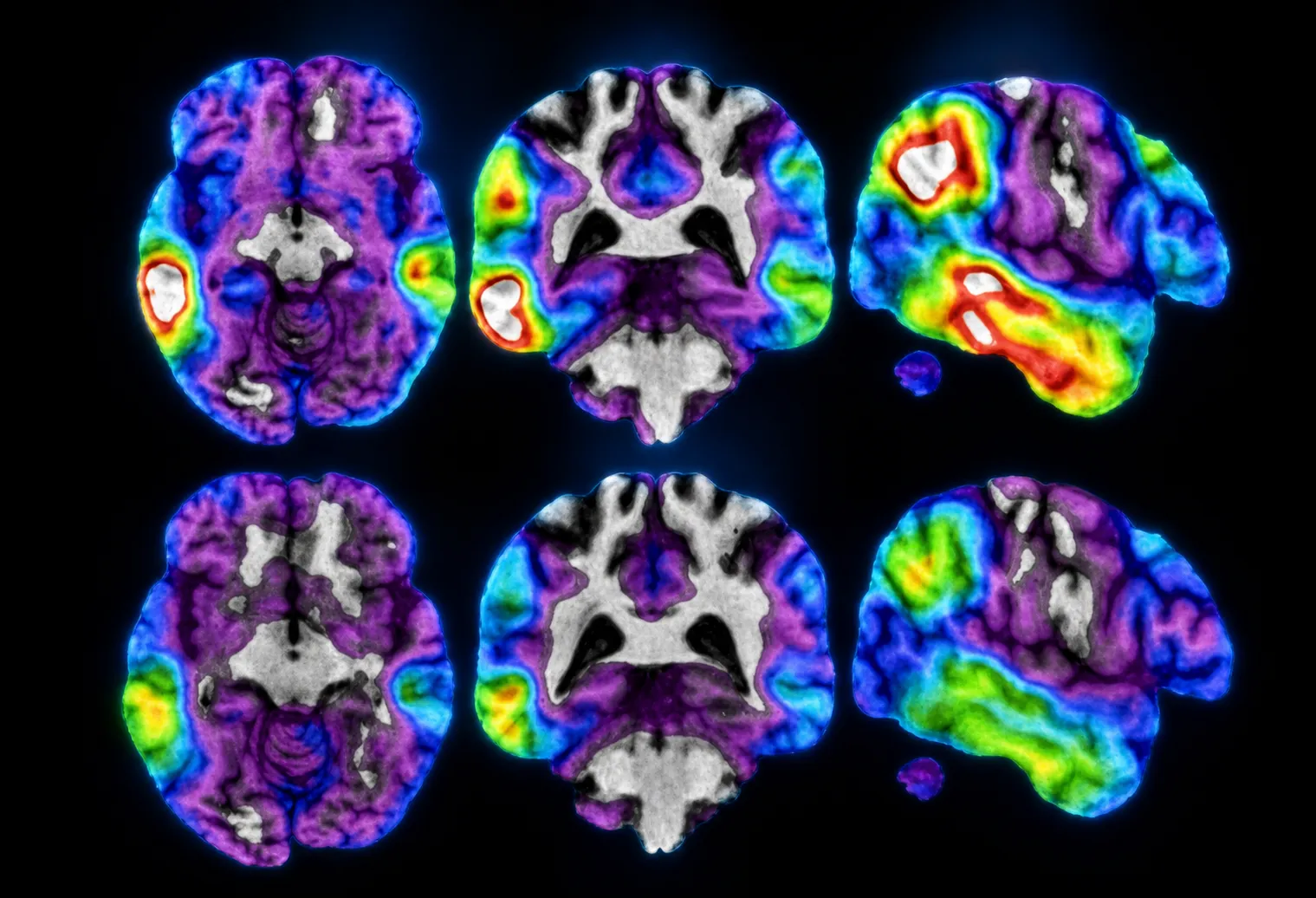
An experimental Alzheimer’s drug is opening a promising new avenue for treating the mind-destroying disease, offering hope that researchers can slow cognitive decline through a mechanism unlike today’s existing therapies. Researchers reported this week that a drug called diranersen shows signs it might help slow early Alzheimer’s disease by lowering levels of a brain protein called tau, which is one part of the toxic combination driving the condition.
Tau is one of two proteins implicated in Alzheimer’s damage. Prior attempts to develop drugs targeting tau have failed, but the new results suggest a different approach may finally succeed. The drug represents a marked departure from current treatments, which target amyloid, another harmful brain protein. The study of approximately 400 people found signs that diranersen also slowed cognitive decline, with results presented at the Alzheimer’s Association International Conference in London.
Biogen, the company developing diranersen, is planning a larger Phase 3 study to attempt to prove the drug’s benefit. The experimental treatment is an antisense oligonucleotide designed to reduce tau production at its source by targeting the genetic instructions that tell the brain to make the protein. The drug is administered by injection directly into the spinal fluid.
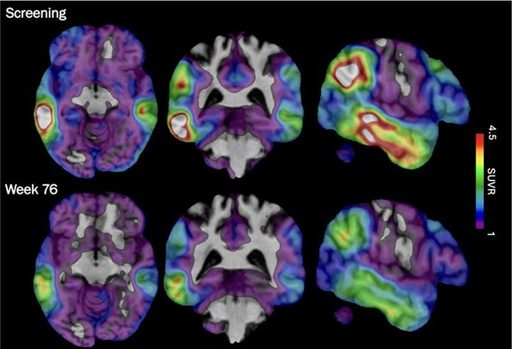
The Phase 2 CELIA study showed that participants receiving diranersen experienced sustained reductions in tau levels in their cerebrospinal fluid and in tau pathology visible on brain imaging scans. In one small subset of participants, the cognitive slowing was substantial enough to be comparable to the effects of amyloid-targeting drugs that are already on the market.
Experts cautioned that the findings are preliminary. “This is really quite promising if it were to hold up” in that next-step testing, said Jessica Langbaum of the Banner Alzheimer’s Institute in Phoenix, who wasn’t involved with Biogen’s study. Another researcher warned that “this is early days,” but expressed optimism about the potential to invigorate research into tau mechanisms. The field needs this reinvigorated interest and investment in alternative approaches beyond the amyloid-focused drugs that have dominated treatment development.
The encouraging results reflect a broader shift in how researchers are approaching Alzheimer’s. The field is increasingly recognizing that the disease involves multiple biological pathways, not just amyloid accumulation. Over the past decade, the proportion of the drug pipeline devoted to tau-targeting therapies has increased from 6 percent to approximately 20 percent, while amyloid-focused drugs have decreased from one-third to about 20 percent of the pipeline.
Beyond diranersen, researchers are exploring multiple novel approaches to fight Alzheimer’s. These include a possible tau vaccine designed to train the immune system to recognize and attack specific parts of the tau protein, and an experimental heart drug called obicetrapib that researchers are exploring for potential dual-duty benefits in some people at high risk of Alzheimer’s. Companies are also working to improve how medicines penetrate the blood-brain barrier, the protective lining that shields the brain but also prevents many treatments from reaching it effectively.
The University of California, San Francisco, recently opened a first-of-its-kind study known as the Alzheimer’s Tau Platform, funded by the National Institutes of Health. This study will test a variety of experimental anti-tau therapies both individually and in combination with today’s amyloid treatments. The first treatment being evaluated is a vaccine called AADvac1.
Currently, two drugs that clear amyloid from the brain are available to slow Alzheimer’s progression: lecanemab and donanemab. These represent a major milestone after nearly two decades without any disease-modifying treatments approved by the FDA. However, these amyloid-targeting drugs slow cognitive decline by only around 25 to 35 percent and come with potentially serious side effects, including brain swelling and microbleeds. They also do not stop or reverse Alzheimer’s, only modestly slow its progression.
The search for better alternatives is urgent. Alzheimer’s disease is the leading cause of dementia worldwide, with 55 million cases currently estimated globally. Without new approaches, the burden will grow substantially as populations age. The diversity of investigational approaches reflects researchers’ understanding that Alzheimer’s likely involves many contributing factors and cellular pathways beyond just amyloid and tau.

Researchers are testing oral medications in development that might someday offer a simpler treatment option than the infusions and injections required for current therapies. One drug called blarcamesine takes a different approach by activating a cellular garbage removal system rather than directly attacking amyloid plaques.
Scientists are also pursuing novel targets identified through advanced research techniques. Some teams are studying how genes and cellular pathways involved in DNA repair might contribute to neurodegeneration, opening entirely new avenues for drug development. Indiana University researchers recently identified an enzyme involved in lipid metabolism that shows promise as a drug target for reducing amyloid plaques.
The flurry of activity reflects genuine momentum in a field that spent decades pursuing dead ends. With more than 150 medicines now in testing across nearly 200 clinical trials worldwide, researchers are pursuing diverse biological targets and mechanisms. This broadening of the research pipeline suggests that treatments are likely to improve in coming years, building on the recent breakthroughs in amyloid targeting while pursuing multiple additional strategies to combat this complex disease.